PROTEGO®
Apagallamas a prueba de detonaciones
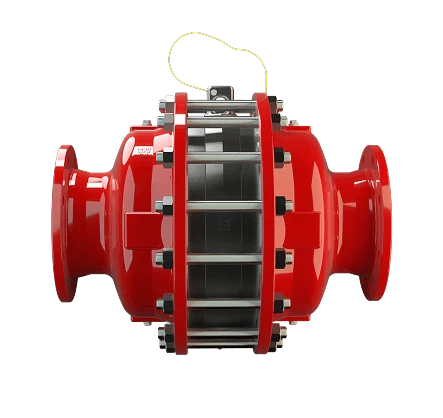
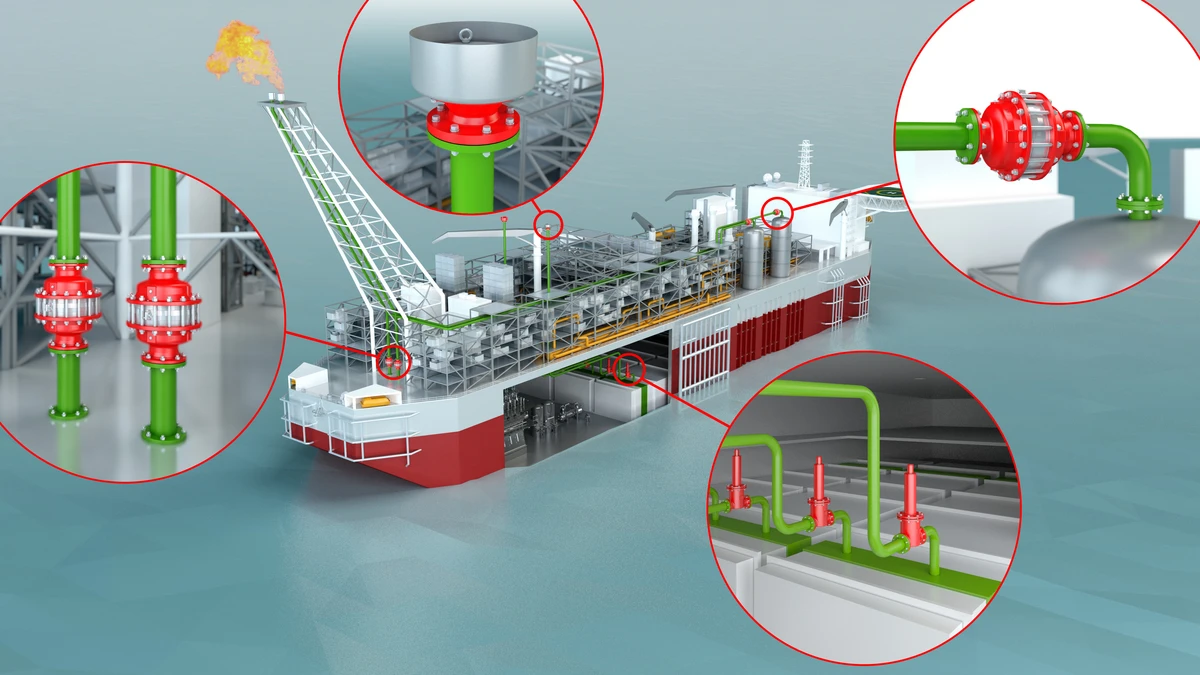
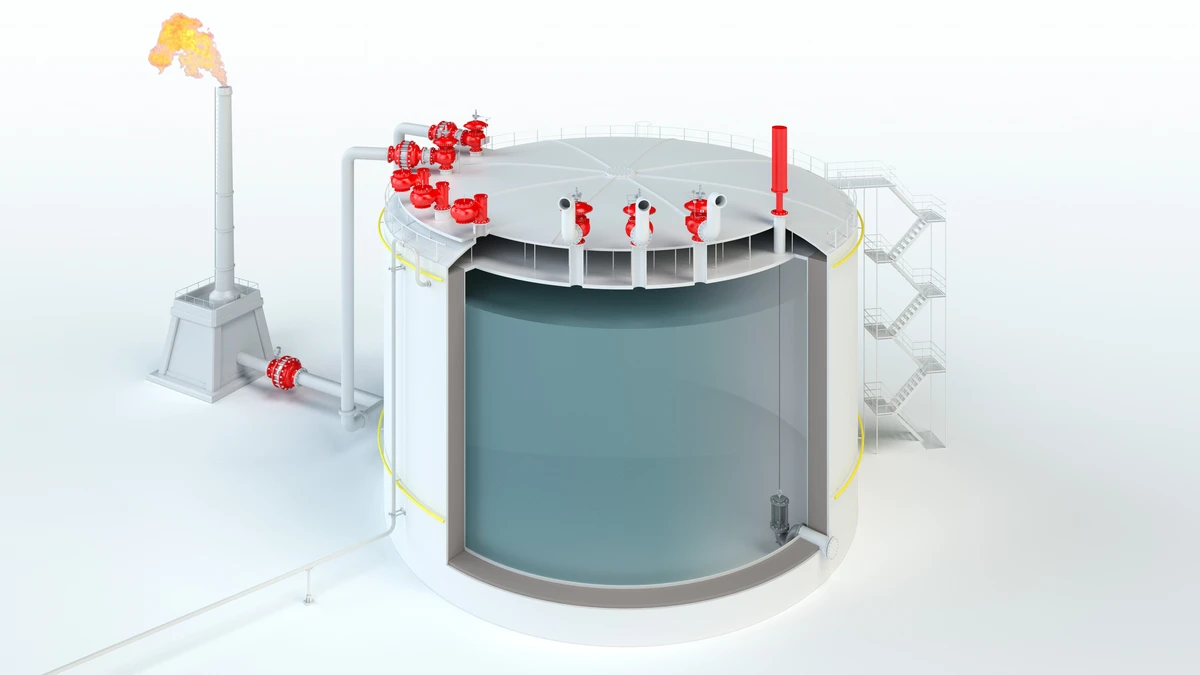
Evitar detonaciones en tuberías
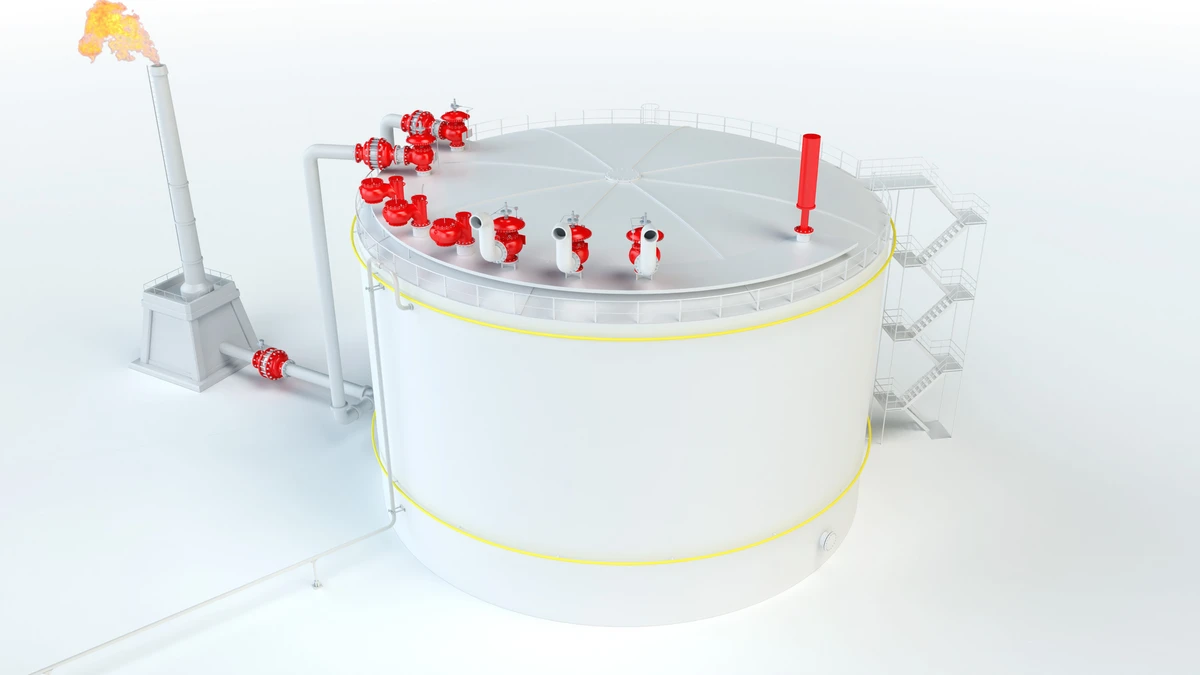
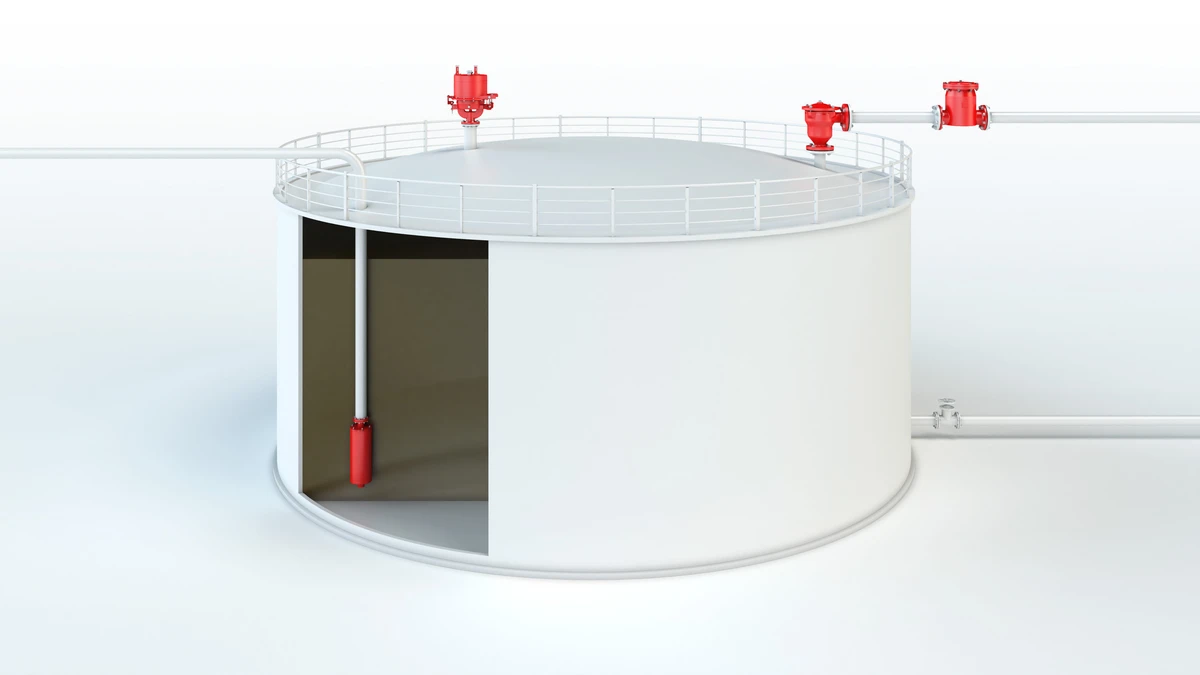
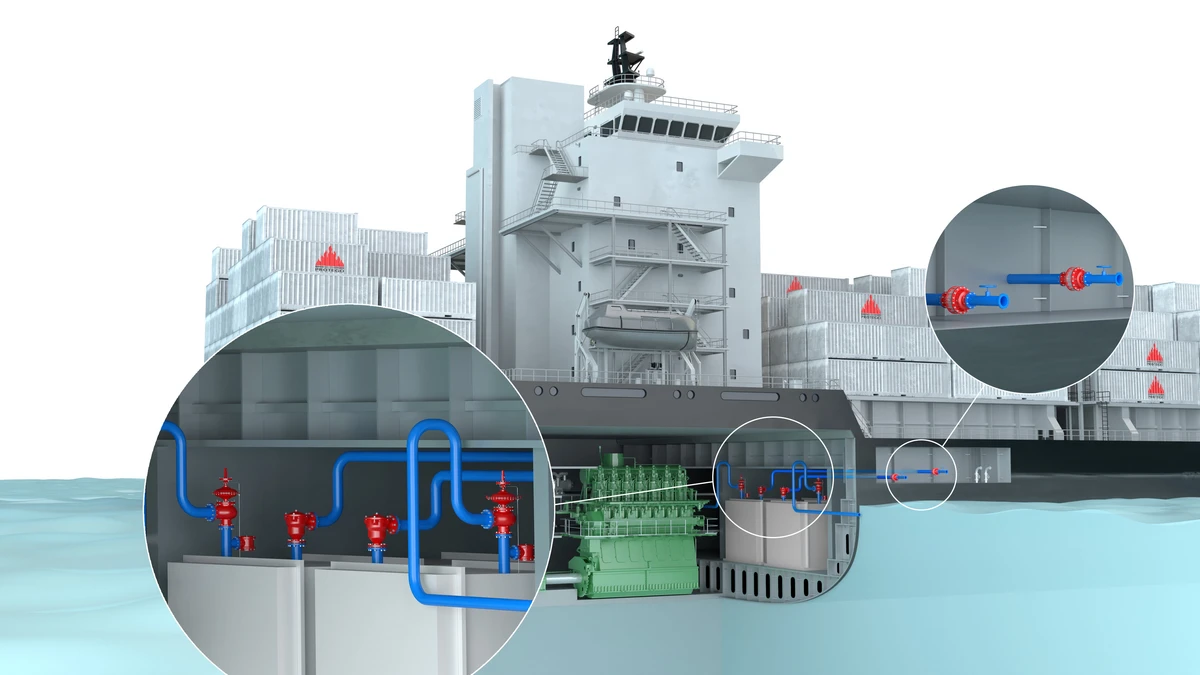
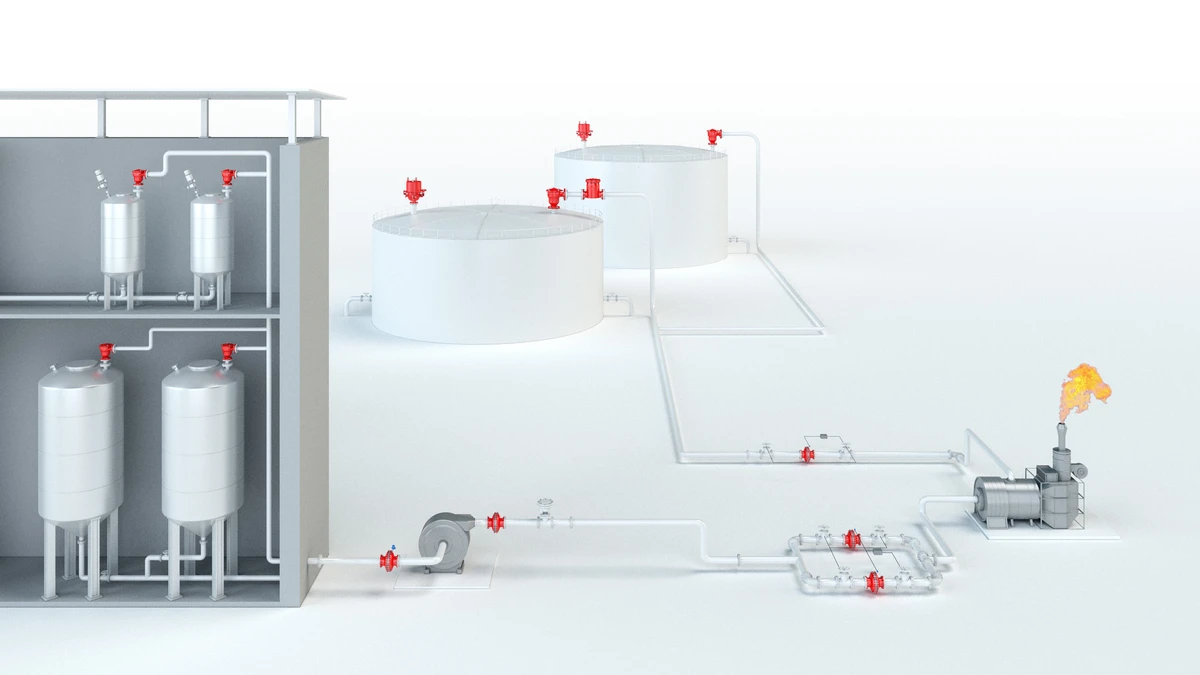
Los Pressure/vacuum relief valve Pressure/vacuum relief valve is an umbrella term that includes pressure or vacuum relief valve as well as pressure and vacuum relief valve. apagallamas a prueba de detonaciones estánn diseñados para evitar la propagación de la llama en sistemas de tuberías donde la combustión puede transformarse en una detonación de alta energía.
A diferencia de las deflagraciones, las detonaciones implican velocidad supersónica de la llama and significant pressure waves, requiring equipment Equipment Machines, appliances, fixed or mobile devices, control parts and accessories, and warning and prevention systems, whether separate or combined, intended for the generation, transfer, storage, measurement, control, and conversion of energy, and for the processing of materials, which have their own potential source of ignition and may cause an explosion. that can withstand and safely dissipate these extreme conditions. In industrial systems handling flammable gases or vapors, Detonation Detonation Explosion propagating at supersonic velocity and characterized by a shock wave (EN 1127-1: 1997). Arresters are typically installed within pipework to protect downstream equipment, storage tanks, and process units. Their function is to suppress the effects of a detonation, extinguish the flame, and protect non- explosion Explosion Abrupt oxidation or decomposition reaction producing an increase in temperature, pressure, or in both simultaneously. -proof components and vessels within your system.
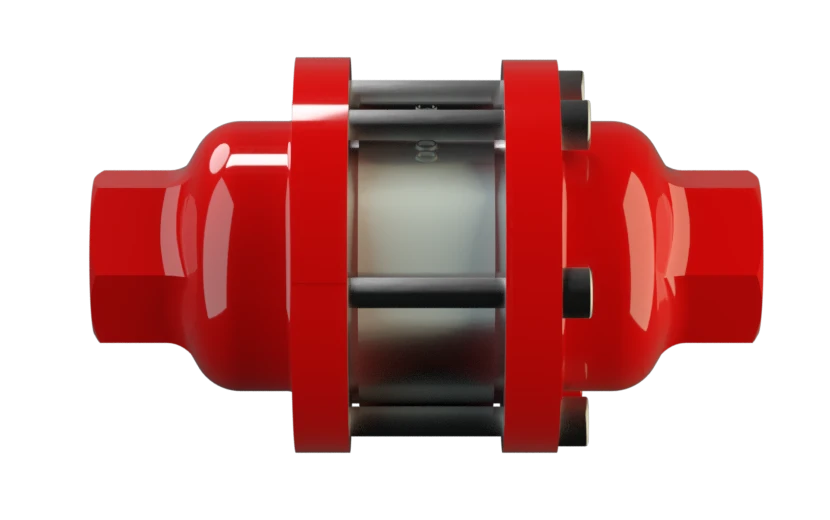
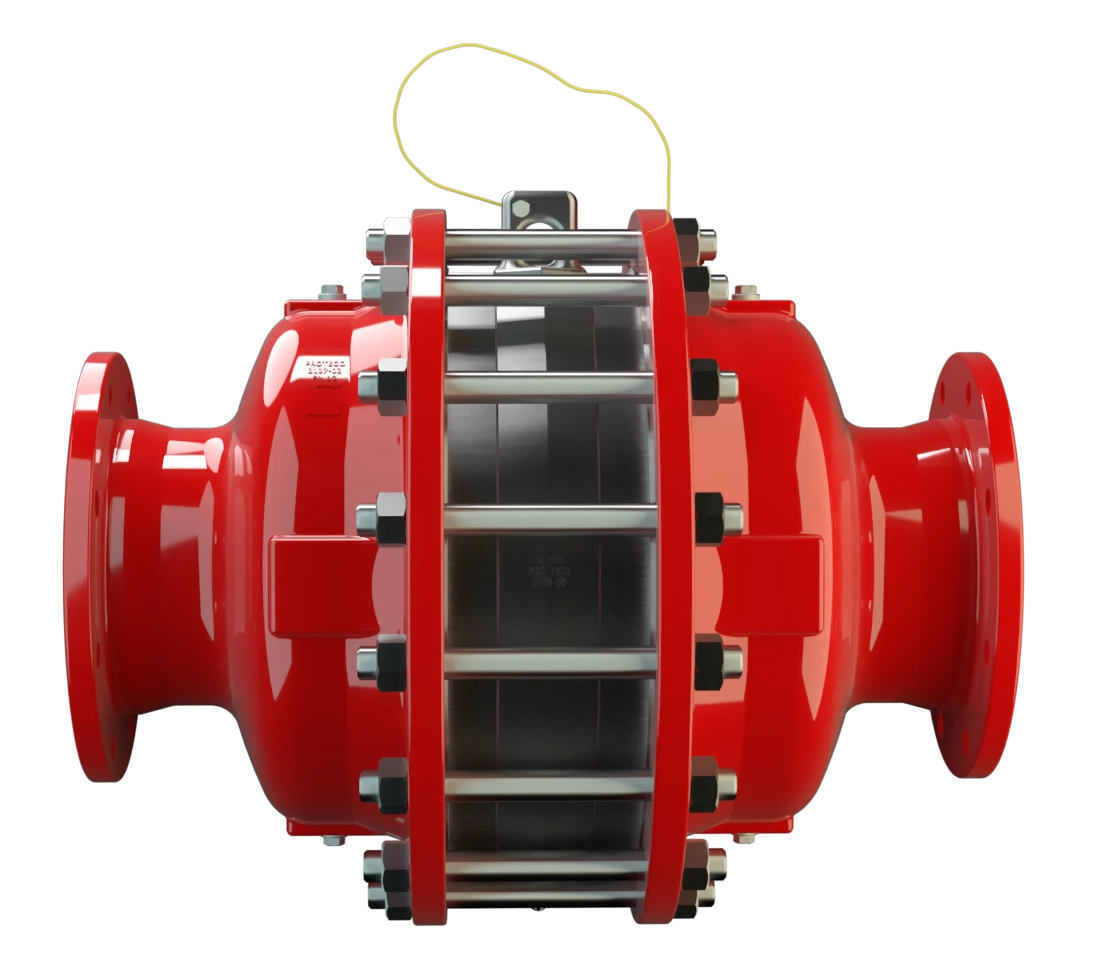
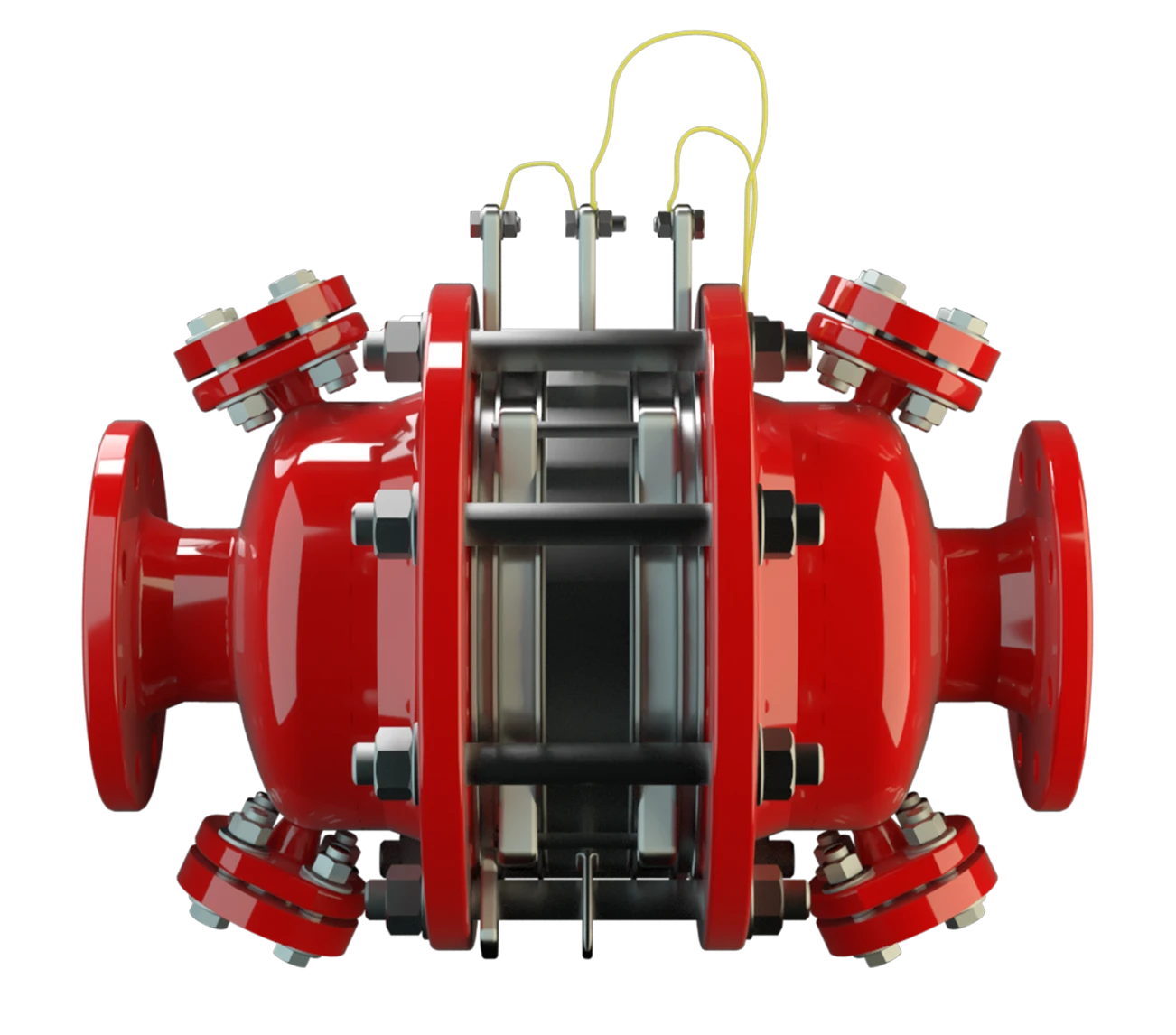
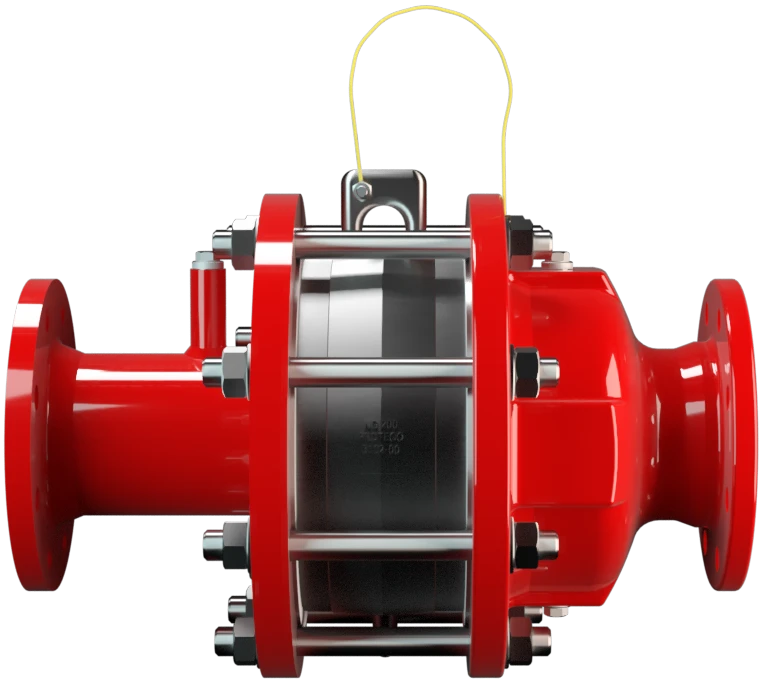
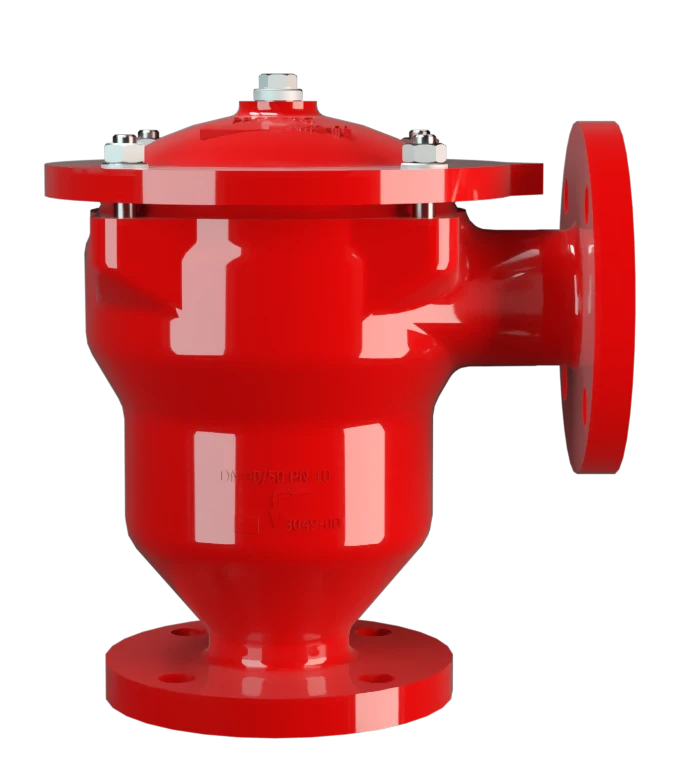
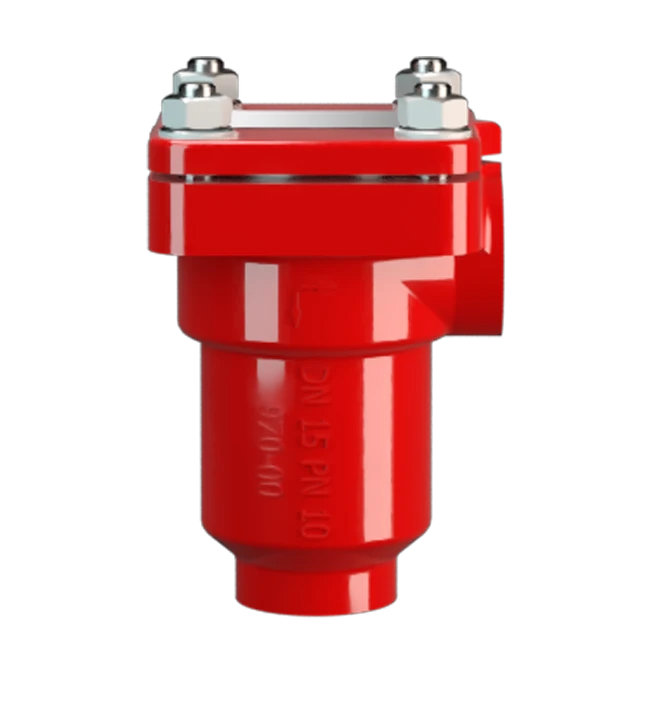
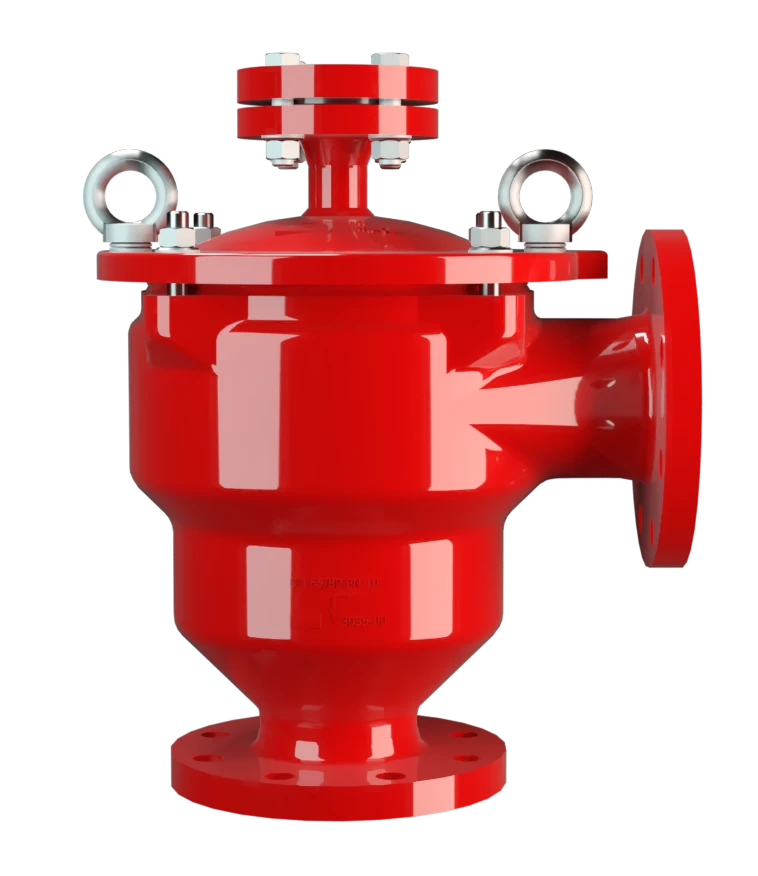
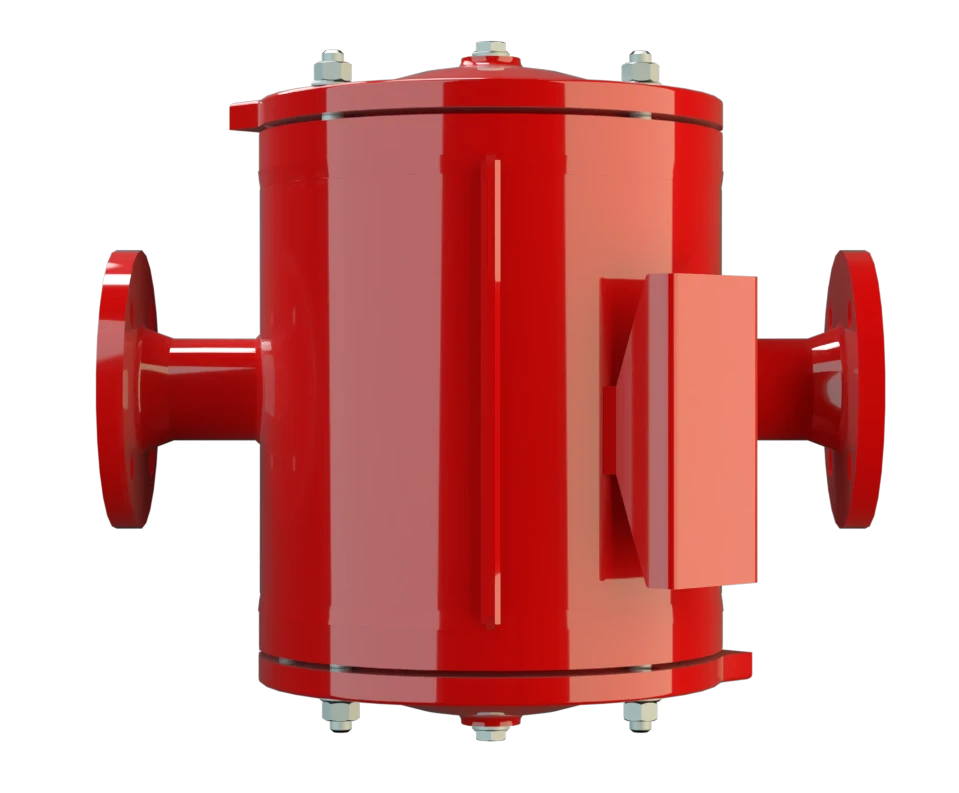
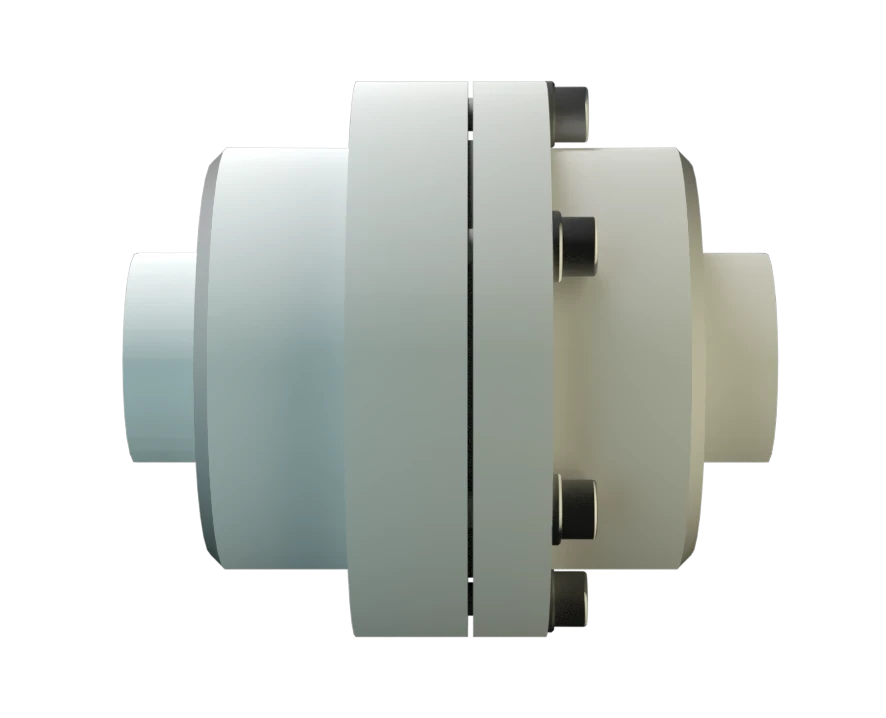
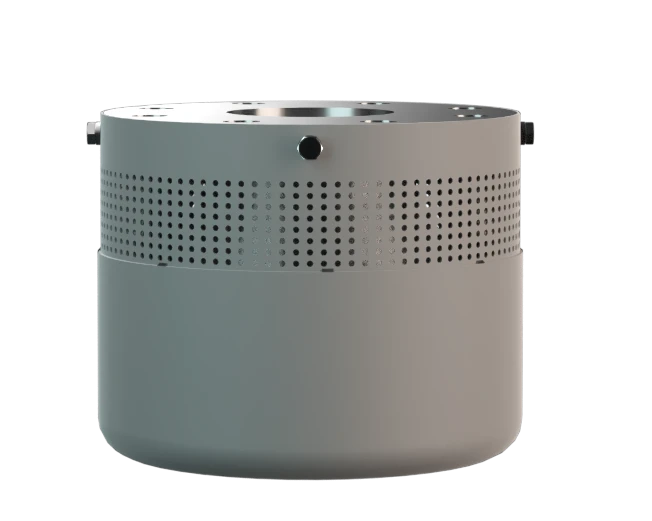
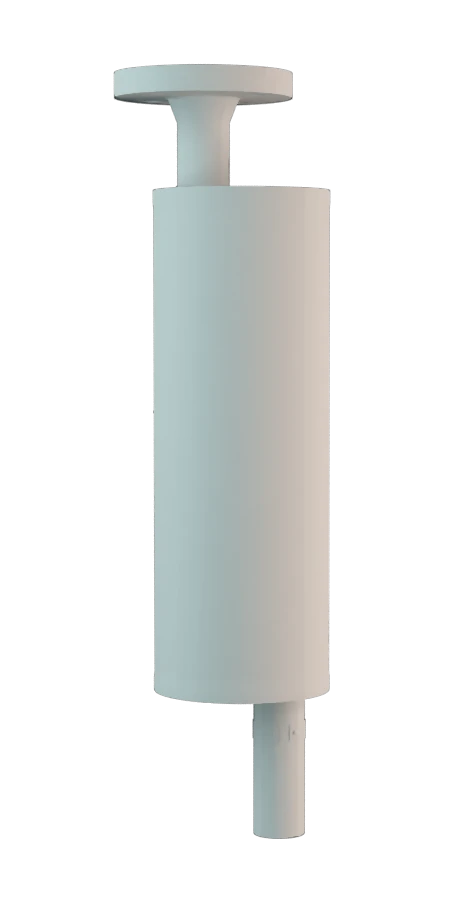
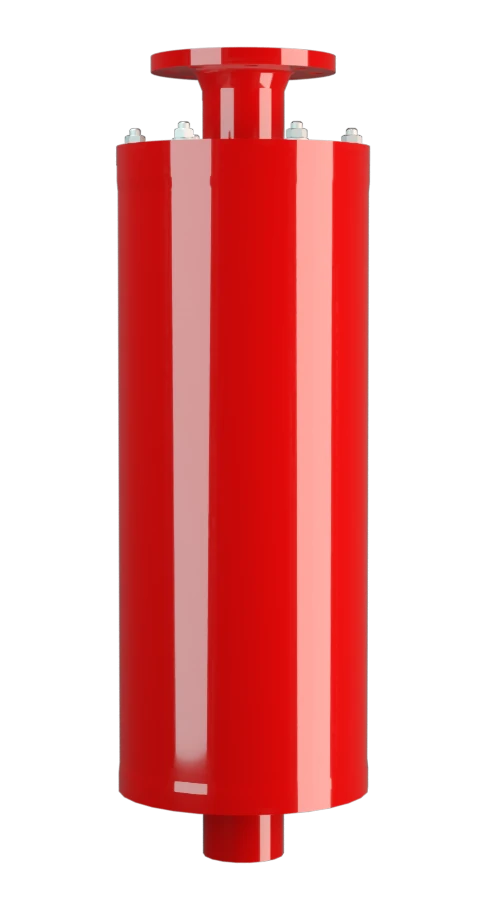
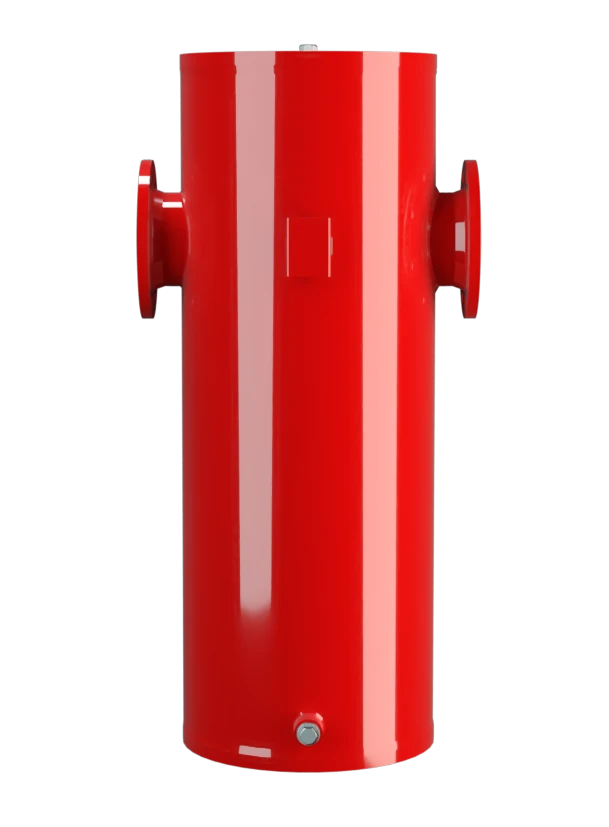
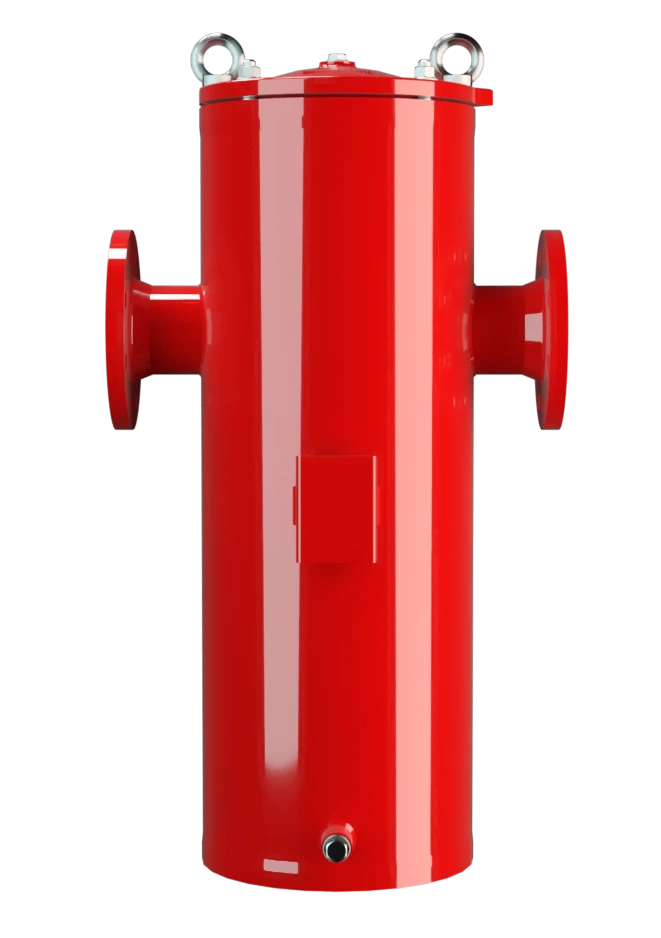
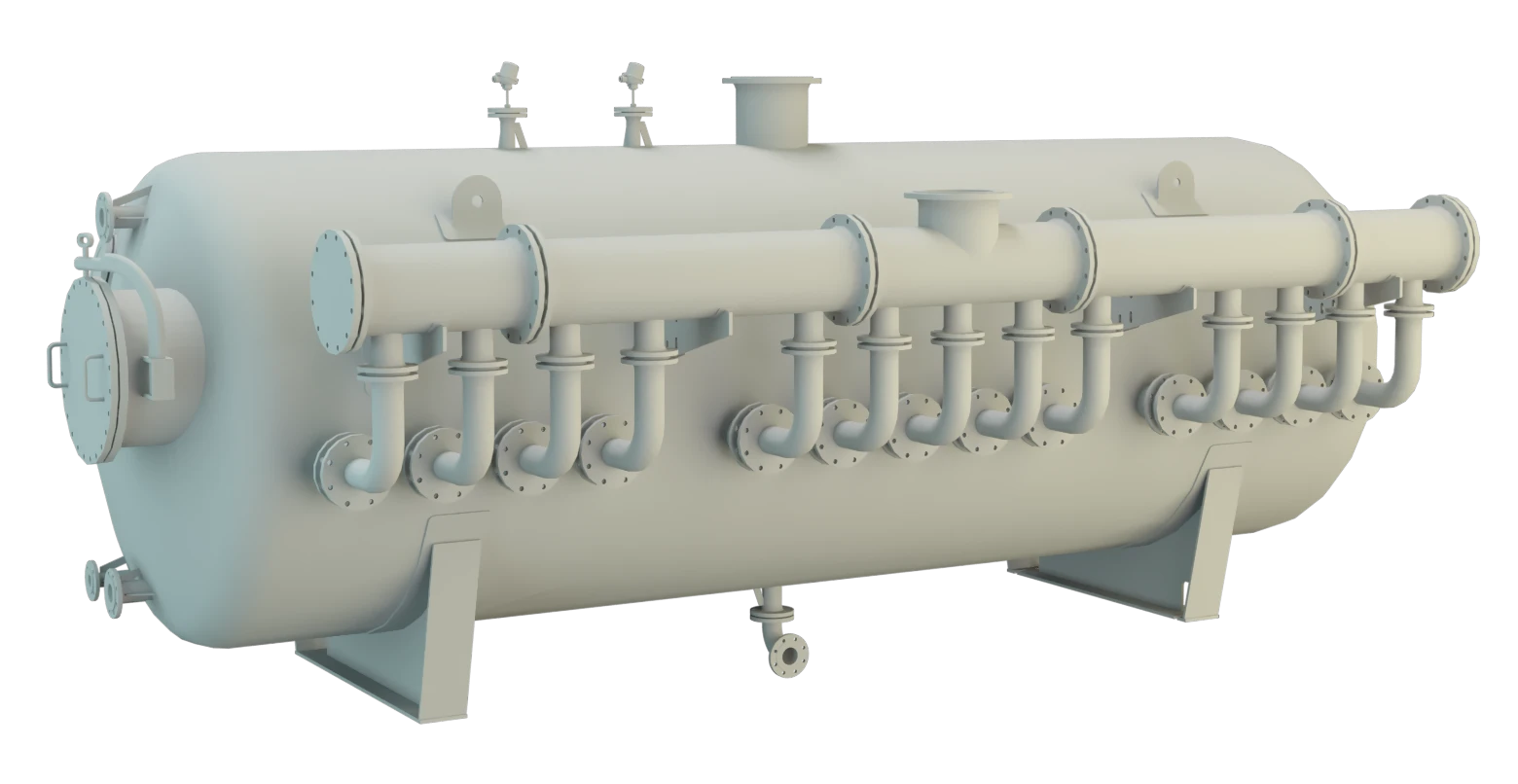
Highlights of PROTEGO® Detonation Flame Arresters
Ningún incidente de retroceso
Mayor tiempo de actividad y menores pérdidas
Confianza en el ciclo de vida
El cumplimiento normativo, más sencillo
How it works
When a detonation reaches the arrester, the flame and shock wave enter the narrow gaps of the FLAMEFILTER® discs. The energy is dissipated within these gaps, which cools the flame below its
ignition temperature
Ignition temperature
Lowest temperature (of a hot surface) at which ignition of a flammable gas or vapor in a mixture with air or air/inert gas occurs under specified test conditions.
and extinguishes it. This prevents the flame front from continuing through the pipeline.
For larger nominal diameters, additional design elements such as the patented SWGTE (Shock Wave Guide Tube Effect) reduce the energy of the detonation shock wave before it reaches the
flame arrester unit
Flame arrester unit
Flame arrester casing with FLAMEFILTER® set.
. This staged energy reduction improves the reliability of flame extinction under high-energy conditions and improves process efficiency.
Flame Arrester Unit
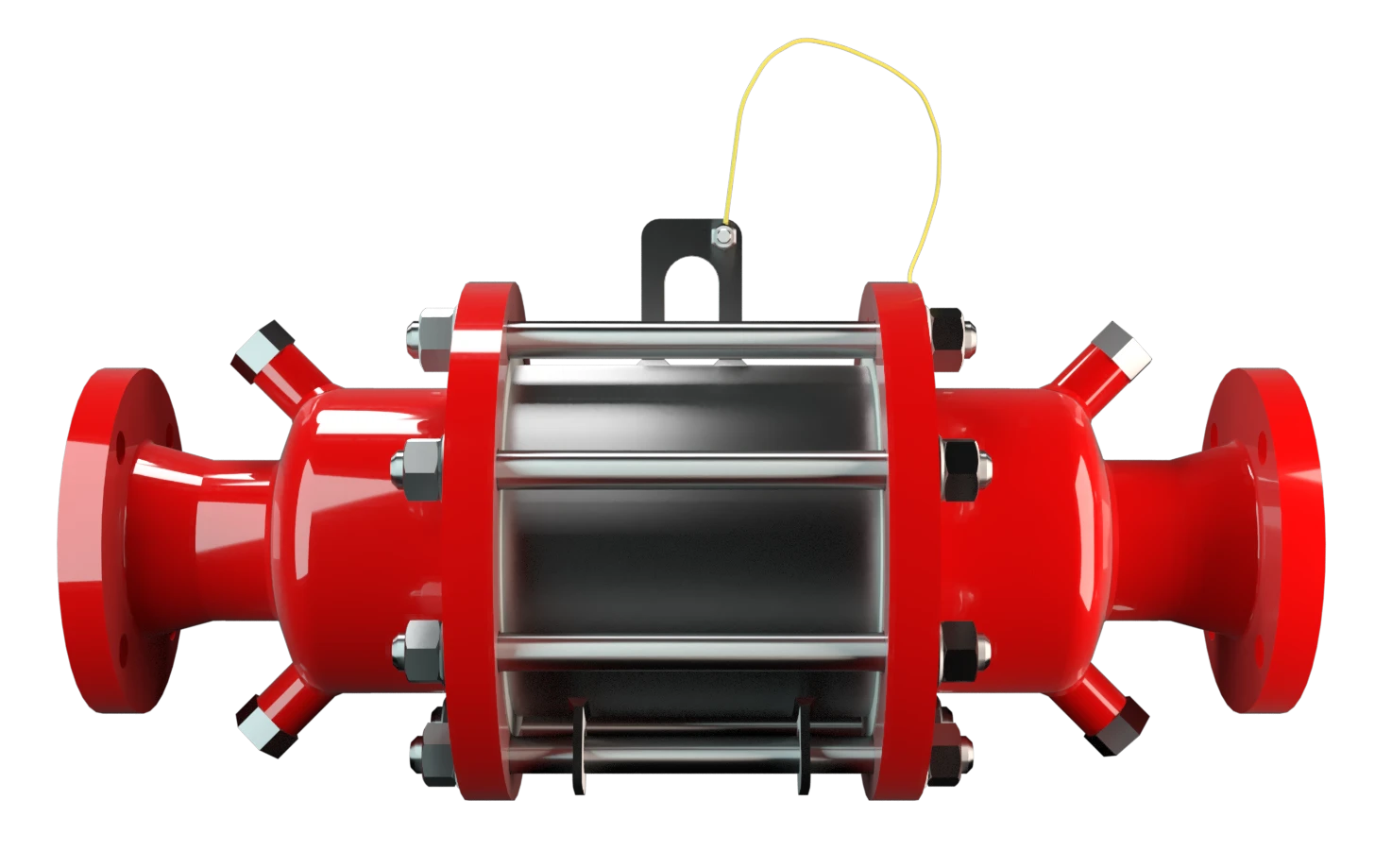
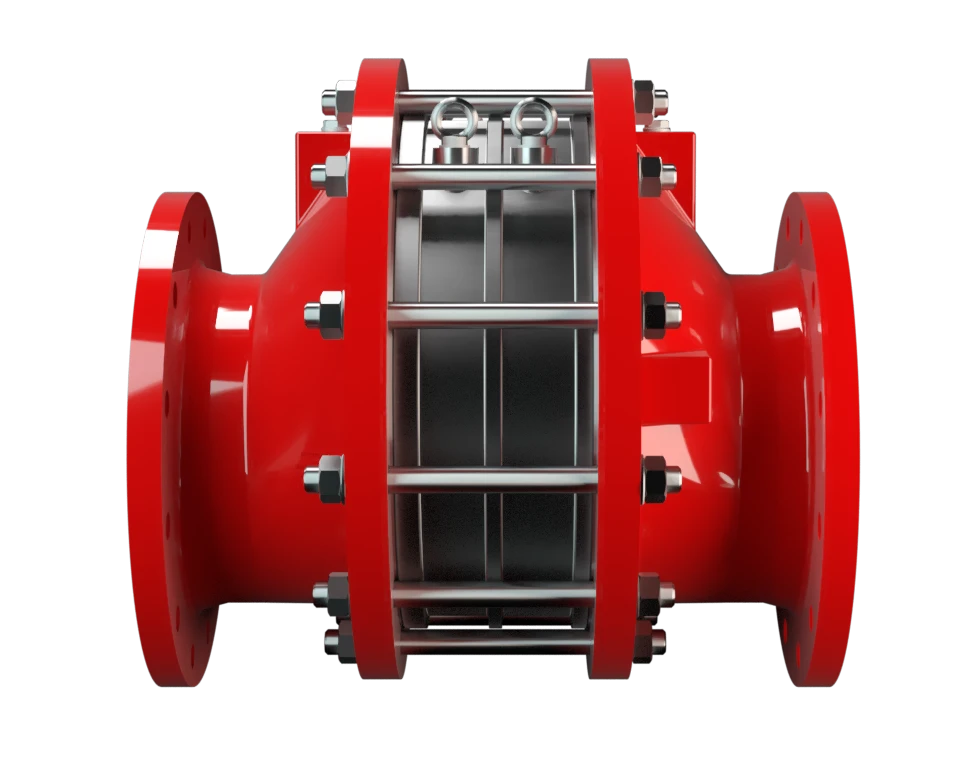
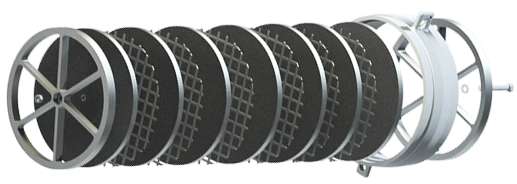
The core of the device Device A device is a pipe component that influences the media flow by opening, closing, or partially shutting off the flow channel or by dividing or mixing the media flow. is the PROTEGO® flame arrester unit PROTEGO® flame arrester unit The PROTEGO® flame arrester unit is the main component of a flame arrester. It prevents flame propagation. . It consists of multiple FLAMEFILTER® discs and spacers arranged within a FLAMEFILTER® cage FLAMEFILTER® cage The FLAMEFILTER® cage is a housing for a FLAMEFILTER® set. . The number of discs and their gap size are defined based on operating conditions such as temperature, pressure, and vapor group.
Available Options
Dry Detonation Arresters
The PROTEGO® devices are working to our utmost satisfaction. PROTEGO®—who, with their technical expertise, supported in reducing the overall life cycle cost of the Detonation Flame Arresters installed at our plant by installing flame arresters, which are easy to clean and maintenance Maintenance Combination of all technical and administrative actions, including supervision actions, intended to maintain or restore a unit in working order. -friendly.
We provide engineered safety solutions.
Since 1954, PROTEGO® has built and provided Flame Arresters, Pressure and Vacuum Vacuum Vacuum is the pressure in an enclosed space that is lower than the ambient pressure. Relief Valves and Tank Equipment, now with the help of more than 750 employees worldwide.
Engineering and Compliance
PROTEGO® Detonation Flame Arresters are type-tested and certified according to ATEX and other international standards. Each device is supplied with a statement of conformity defining its approved operating conditions.
Selection is based on key engineering parameters:
Stable or unstable detonation
Gas/vapor or liquid service
Operating pressure / temperature
Explosion group classification
If no suitable device can be found, please contact us. Special designs and approvals are available.
Sizing is based on the relationship between flow rate and pressure drop using the p/V performance diagram.
Nominal diameter
Pressure drop
Key Features and Design Characteristics
Multiple FLAMEFILTER® discs arranged in a defined geometry create controlled narrow gaps for flame quenching Quenching Cooling of a fluid by mixing it with another fluid of a lower temperature. . This ensures reliable extinction of detonations under specified process conditions.
All dry PROTEGO® Detonation Flame Arresters use a modular design. This simplifies servicing and allows configuration based on application-specific parameters such as pressure, temperature, and gas properties.
For larger nominal diameters, the patented Shock Wave Guide Tube Effect reduces detonation energy before it reaches the flame arrester unit. This improves protection performance in high-energy detonation scenarios, reducing pressure drop and improves process efficiency.
Devices are designed for stable and unstable detonations and are also tested for deflagration Deflagration Explosion propagating at subsonic velocity (EN 1127-1:1997). protection. With an additional temperature sensor Temperature sensor Temperature sensor for monitoring the temperature. , they can respond to short-time stabilized burning Stabilized burning Steady burning of a flame stabilized at, or close to the flame arrester element. conditions.
Configurations are available for dry gas and vapor systems as well as liquid systems using a liquid barrier. Selection is based on operating conditions, explosion group classification, and process characteristics.
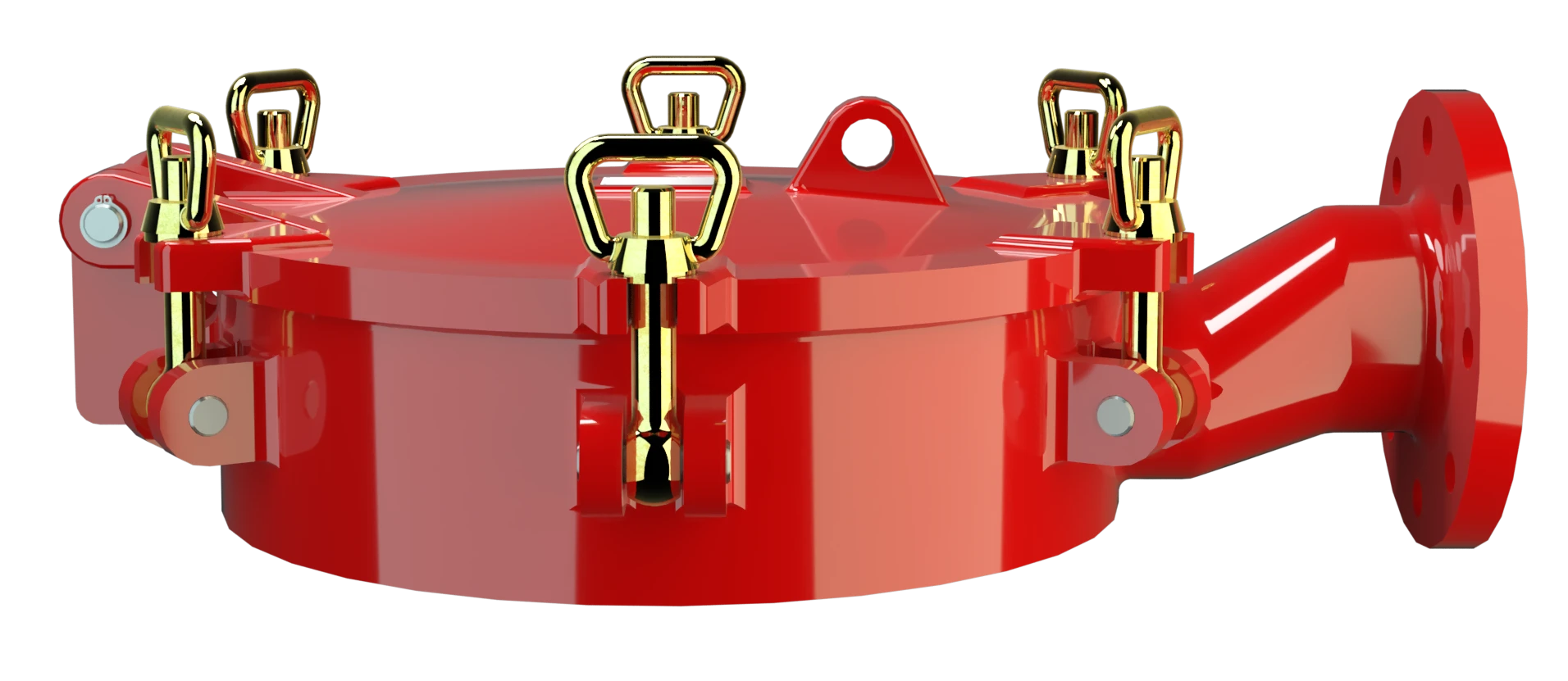
Designs are available in concentric, eccentric, and 90-degree configurations. This allows integration into different piping layouts and system geometries, improves device maintainabilty and helps with challenging conditions such as condensate carryover.
A wide range of sizes, materials, and designs can be provided. If standard configurations are not suitable, custom solutions can be developed and tested at the PROTEGO® test facility.
Operational Benefits
Protection of equipment
Handles varying detonation conditions
Flexibility for complex applications
Long-term operation
Your current location:
Local













Sascha Pineda
Ciprian Dragan
Regy Daniel
Iñigo Velasco Pérez
Regional Sales Manager South America (loctaed at the HQ in Germany)
+49 5307809376
Dr. Jochen Landes
Martyn Killingbeck
Nirmal Rampersad
Maik Mannel

Christian McDonald
Tyson Riggs
Wander Severino Silva
Roberto Moura
Vicente Moura
QuEST Support Team

Nivaldo Júlio Barbosa
Márcio Dobel
Luiz Fernando Falcoski
André Gomes
Dietmar Norz
Jens Ludewig
Armando Espinosa
Joaquín Plaza
Benjamín Plaza Llorente
Tom Sloan
Bojan Rojc
Allan Gaziola
Steven Tan





Carlos Alva

André Plagemann
Xavier Marcús
Johann Kolberger
Erwin Jakob
Jens Planitzer
Volker Haag
TEC-Kundencenter