Hydrogen

Safety Solutions for Hydrogen

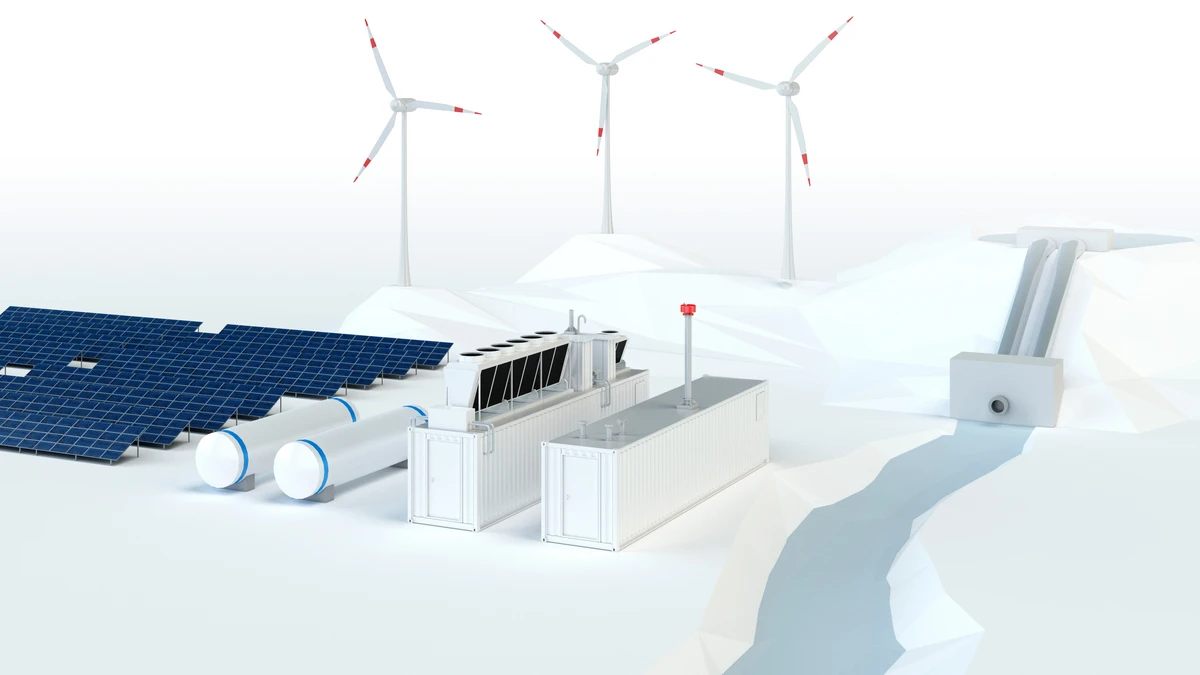
Hydrogen is expected to play a significant role in the future global energy mix, supporting both energy security and the transition to lower-carbon systems. Its use across production, processing, and transport introduces distinct safety challenges that demand high-quality, process-relevant protection devices.
 
Hydrogen’s risk profile is driven by a combination of physical properties that differ from most conventional gases. These include a broad explosive range from 4 to 77 volume percent, extremely low ignition energy, and a high diffusion rate. In addition, hydrogen has a very narrow maximum experimental safe gap, classified under explosion Explosion Abrupt oxidation or decomposition reaction producing an increase in temperature, pressure, or in both simultaneously. group IIC and NEC Group B.

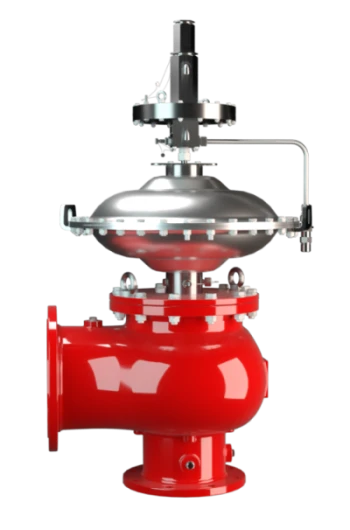
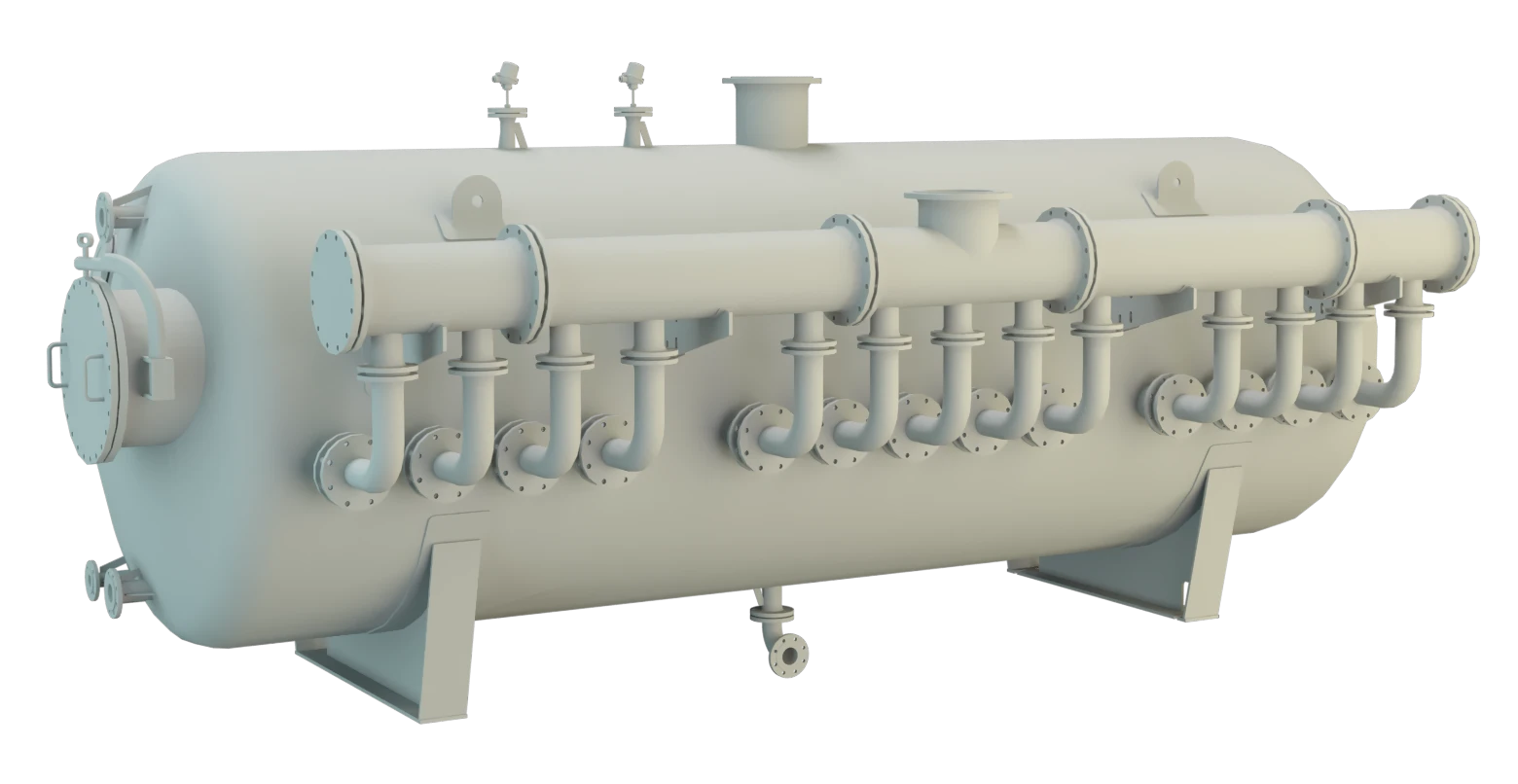
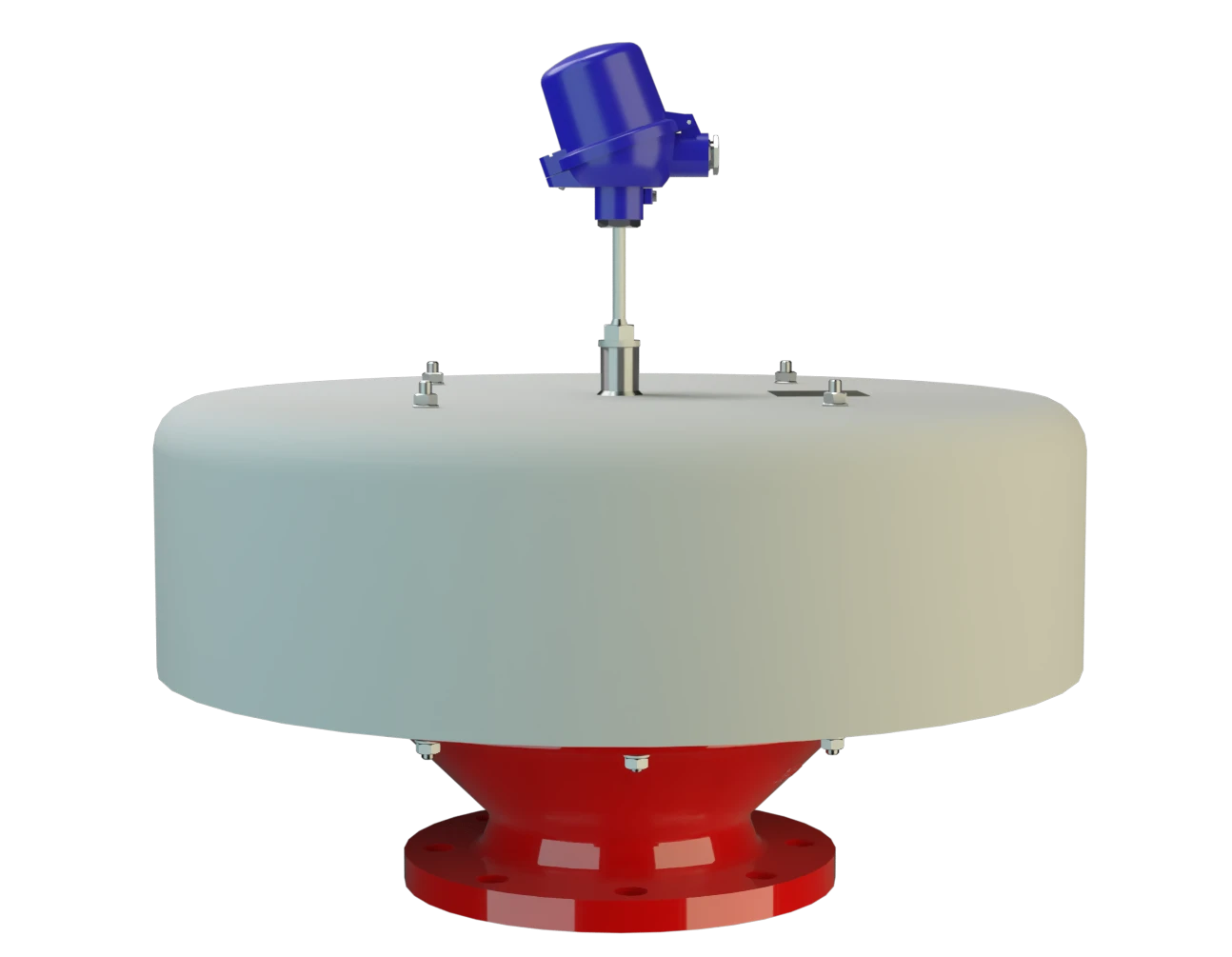
PROTEGO® has been developing and manufacturing hydrogen Flame Arresters for decades. Its portfolio includes Vent Caps, Flame Arresters Flame Arresters A flame arrester, deflagration arrester, or flame trap is a device or form of construction that will allow free passage of a gas or gaseous mixture but will interrupt or prevent the passage of flame. , and Valves suitable for explosion group IIC applications, allowing solutions to be matched to individual process requirements. Devices are type-approved in accordance with the current ATEX Directive and other applicable international standards. Tailored configurations form a core part of day-to-day project execution.

Ammonia as a Hydrogen Carrier

Ammonia is widely used as an effective means to transport and store hydrogen. In this configuration, safety considerations extend beyond the hydrogen itself to the associated tank systems and venting arrangements.

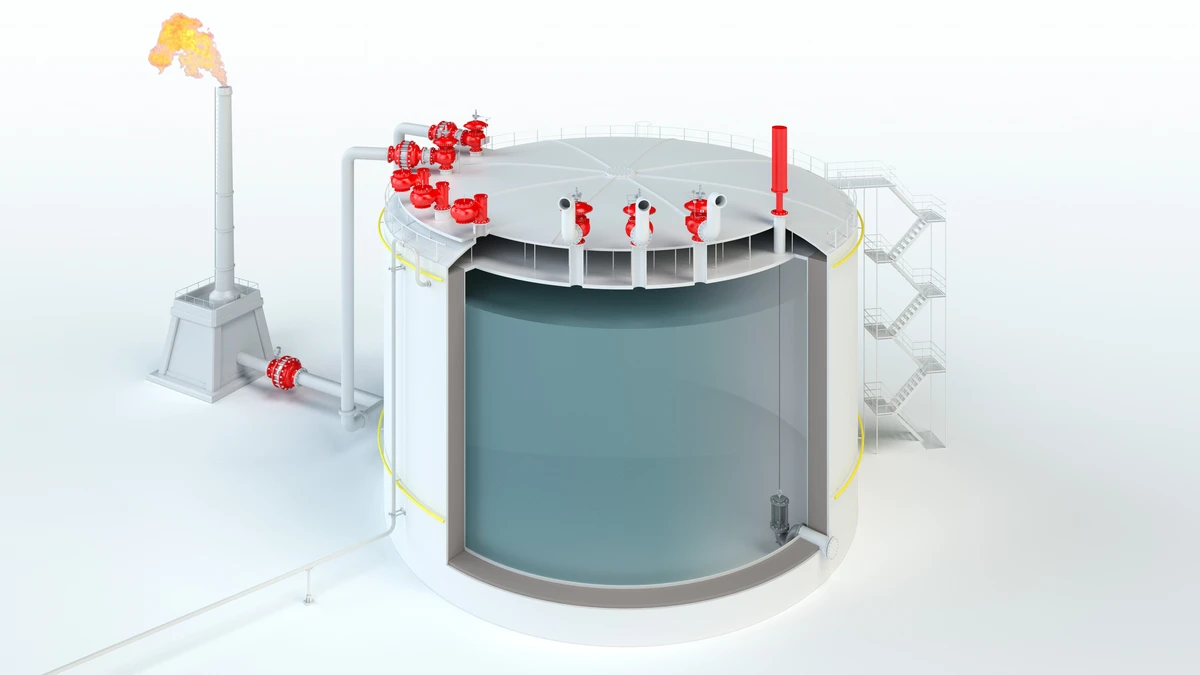
Typical ammonia storage installations incorporate multiple protection points across the tank roof and connected piping. These include pressure and vacuum Vacuum Vacuum is the pressure in an enclosed space that is lower than the ambient pressure. relief, in-tank isolation, and flame arresting on vent and flare lines. Correct integration of these elements supports controlled tank breathing and mitigates flashback Flashback Phenomenon occurring in a flammable mixture of air and gas when the local velocity of the combustible mixture becomes less than the flame velocity, causing the flame to travel back to the point of mixture. risk during abnormal operating conditions.

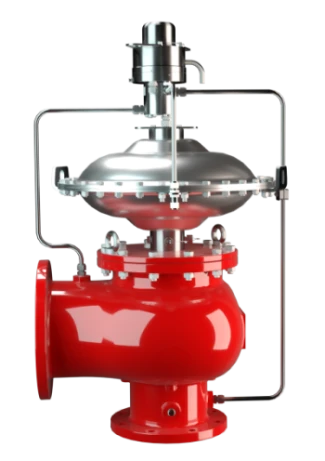
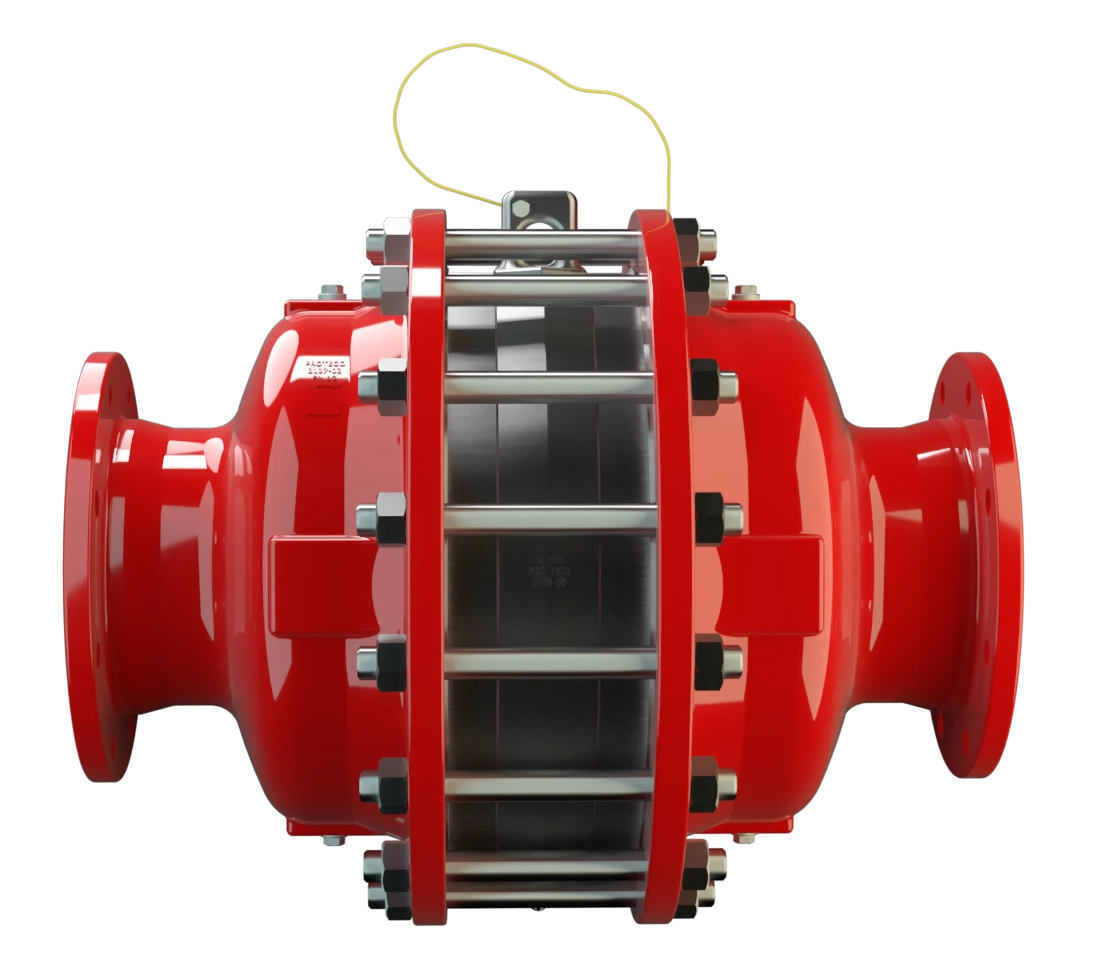
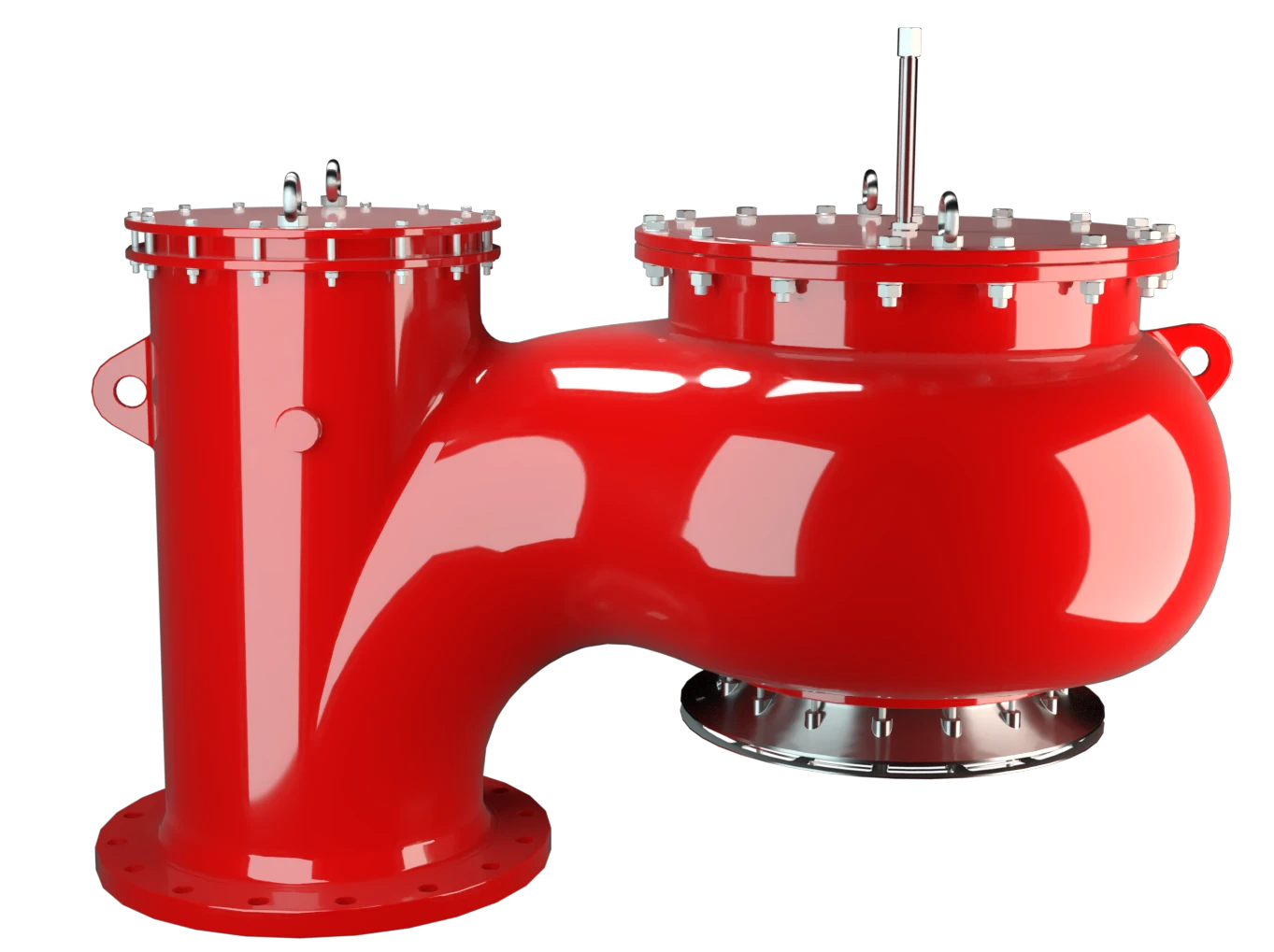
An example ammonia storage tank configuration illustrates the placement of Pressure and Vacuum Relief Valves Pressure and vacuum relief valve A pressure and vacuum relief valve is a pressure equalization valve for impermissible pressure and vacuum in a closed system. , In-Tank Valves, and in-line Detonation Detonation Explosion propagating at supersonic velocity and characterized by a shock wave (EN 1127-1: 1997). Flame Arresters as part of an integrated safety concept.

Applications for Electrolysis Processes

During hydrogen production and transport, system safety and the protection of personnel remain the highest priorities. Hydrogen is highly flammable and readily forms explosive mixtures with air. Hydrogen–air mixtures are characterized by very low minimum ignition energies and extremely small maximum experimental safe gap sizes.

Explosion risk increases further when hydrogen is present alongside oxygen concentrations higher than those found in ambient air Ambient air Normal atmosphere surrounding the equipment and protection system. , as can occur in electrolysis processes.

Safety devices for these applications are selected with specific consideration of the hydrogen–oxygen concentration present in the system. Application-specific engineering ensures that protection measures align with the actual operating conditions rather than theoretical assumptions.

Highlights

Maintains MAWP/MAWV
Maximum Allowable Working Pressure / Vacuum
Reduced product losses
and emissions
Supports safe low-temperature operation 
with documented compliance
Process opimization
support at FEED stage

During the delivery of the project, the project team of your company submits the equipment Equipment Machines, appliances, fixed or mobile devices, control parts and accessories, and warning and prevention systems, whether separate or combined, intended for the generation, transfer, storage, measurement, control, and conversion of energy, and for the processing of materials, which have their own potential source of ignition and may cause an explosion. design documents every day, simultaneously carries out the work of equipment design and technical communication of procurement parts, and timely feedback and solves the problems raised, which ensures the smooth progress of our project construction. The professionalism and dedication of the project team have left a deep impression on our company. 

Project Manager

China CAMC Engineering Co., Ltd. 

Contact CSR Department 

Talk to a PROTEGO® engineer to request guidance for your vessel or terminal loading application

Picture of Mrs. Auris-Nadine Hillen
Mrs. Auris-Nadine Hillen

CSR Department

+49 (0)5307 809 108