Réservoirs de stockage d'ammoniac
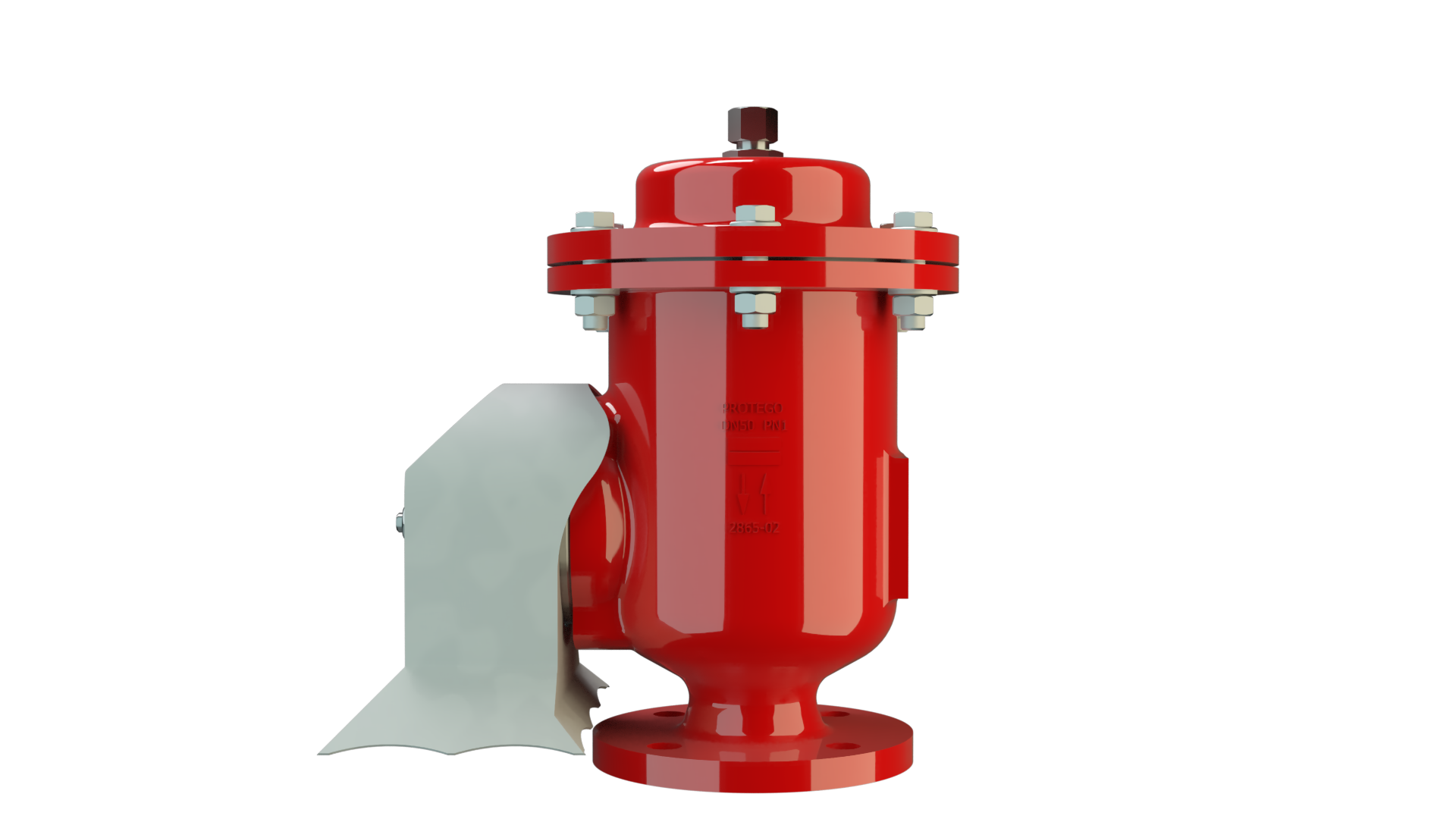
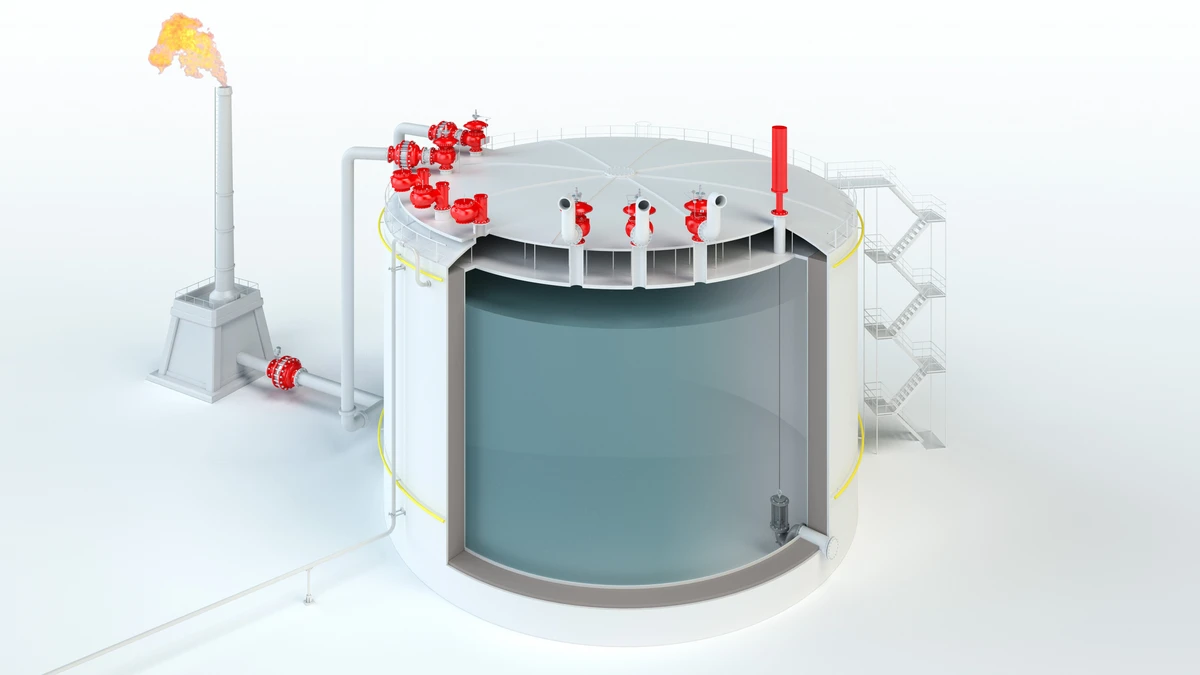
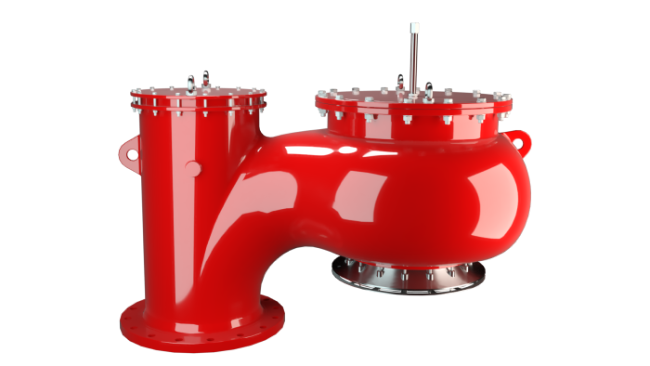
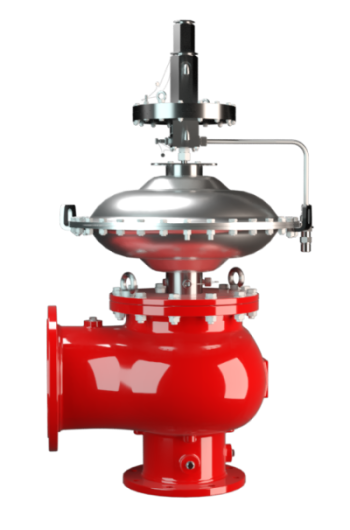
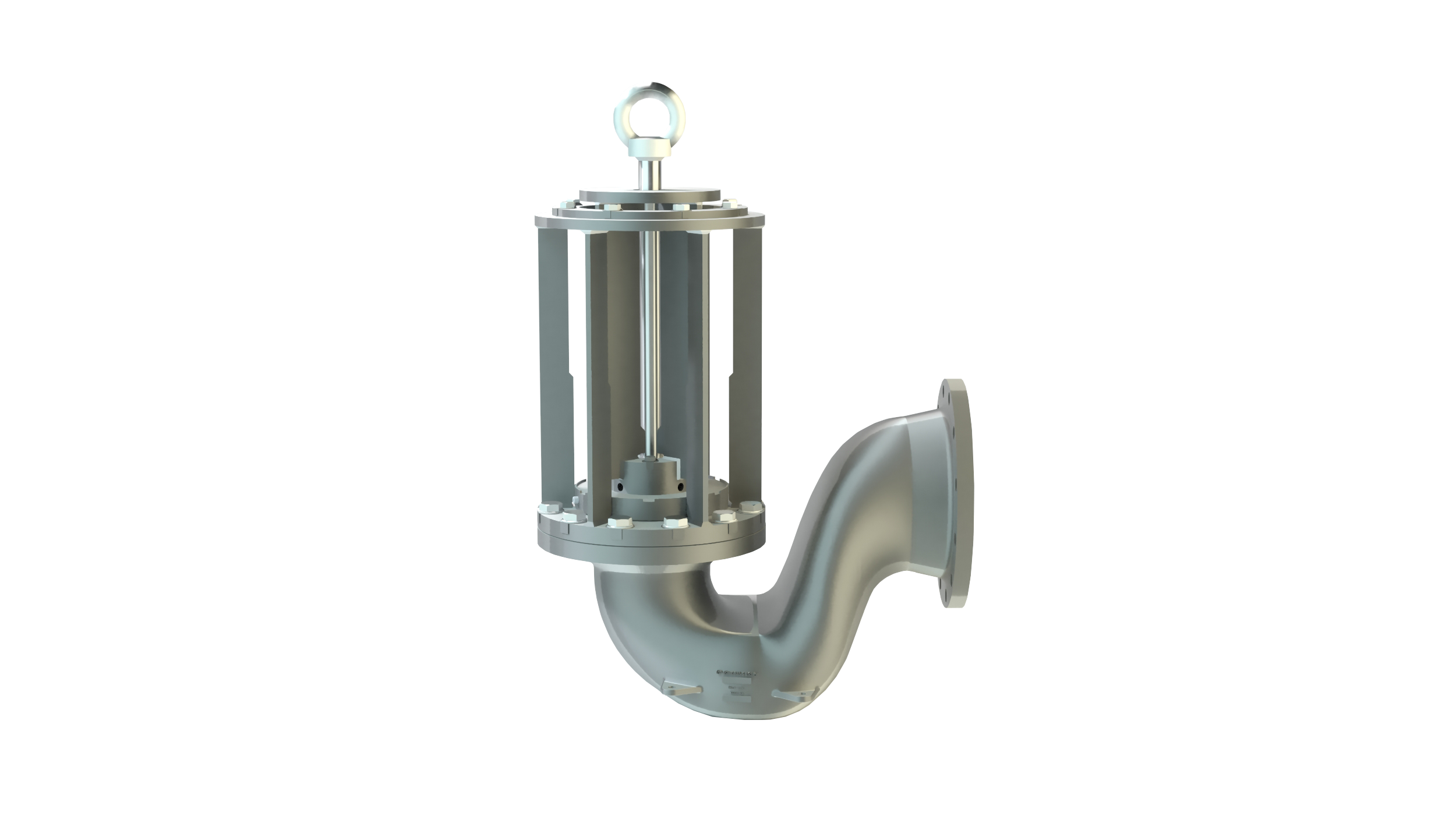
Dans les installations utilisant l'ammoniac, les variations thermiques rapides et les transitoires de fonctionnement peuvent entraîner à la fois des surpressions et des dépressions. Ce concept d'application assure une décharge de pression contrôlée et une protection contre les dépressions, avec le soutien de vannes intégrées au réservoir pour garantir la sécurité opérationnelle.
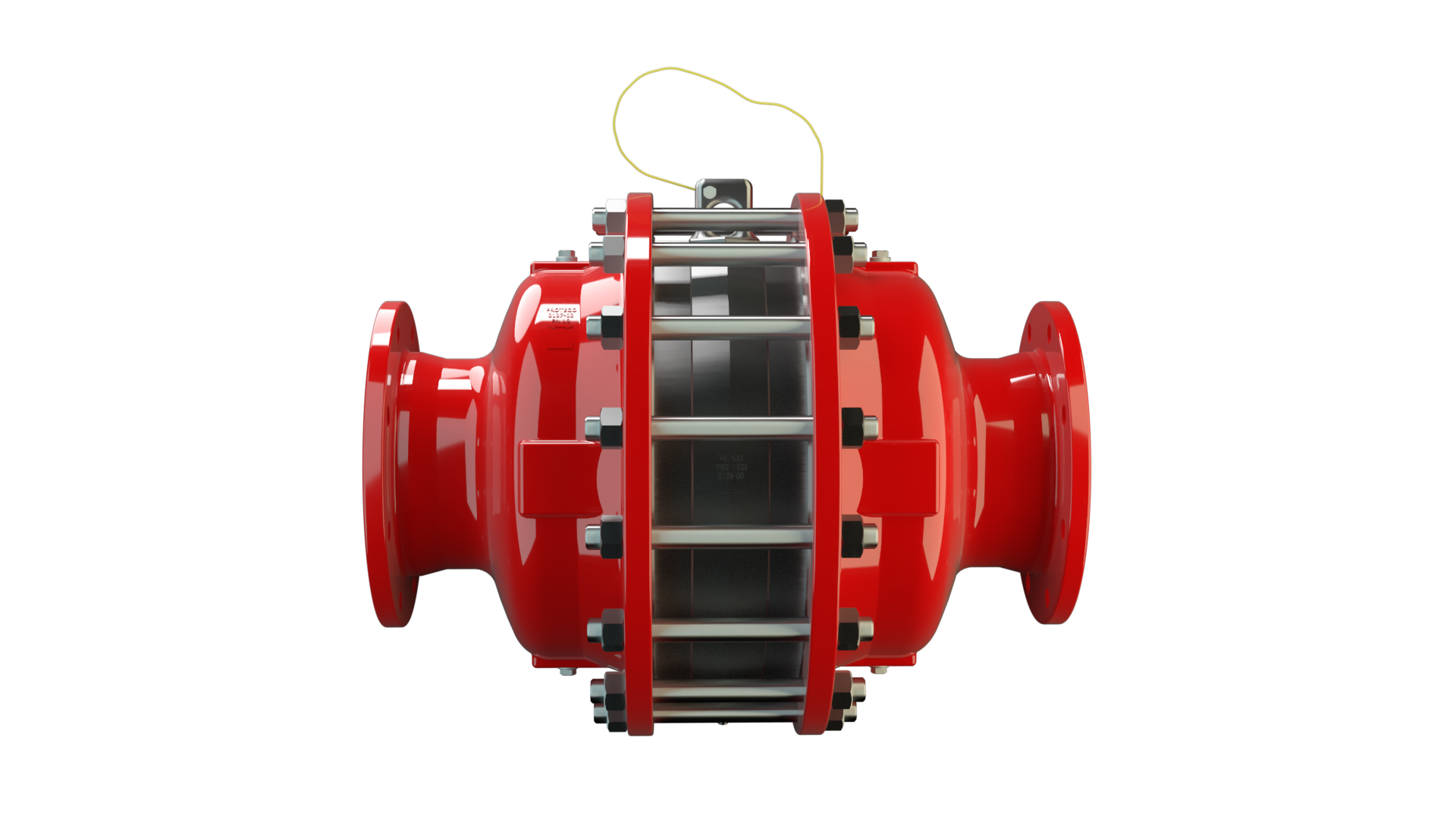
La protection contre la détonation installée sur la conduite raccordée réduit le risque de propagation des flammes, protégeant ainsi à la fois le réservoir et le système de traitement des vapeurs.
Points forts
Protection du GNL
Réservoirs de stockage
Le stockage du GNL nécessite une gestion fiable de surpressions et des dépressions en raison des changements rapides de température et des transitoires. Ce concept offre une décompression contrôlée et une protection contre la dépression à haute capacité pour assurer la stabilité des conditions dans le réservoir en fonctionnement normal et en cas d'anomalie. La protection contre les détonations dans la conduite raccordée empêche la propagation des flammes, garantissant ainsi un stockage du GNL sûr et conforme.

Points forts
Gestion de la pression
Une disponibilité accrue et une réduction des pertes
Prévention de la propagation des flammes
Stockage sécurisé du GNL
Réservoirs de stockage d'éthylène
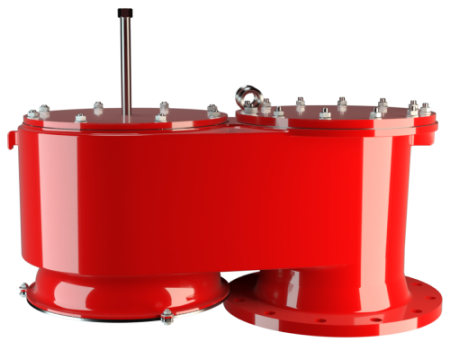
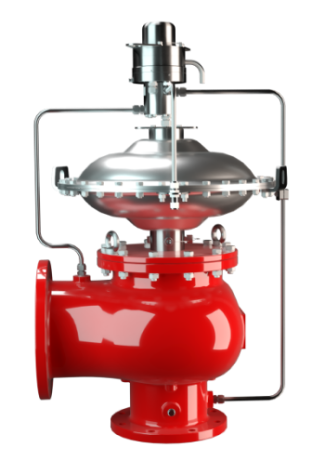
Les réservoirs de stockage d'éthylène nécessitent un système fiable contrôle de la pression et de la dépression, ainsi que des dispositifs de protection contre les explosions pour les tuyauteries. Ce concept combine une décharge de pression à haute capacité et une décharge de dépression réactive pour garantir des conditions stables en fonctionnement normal et en cas d'anomalie.
Les vannes internes au bac assurent l'étanchéité des conduites de refoulement en cas d'urgence, et la protection anti-détonation en ligne empêche la propagation des flammes, garantissant ainsi un fonctionnement cryogénique sûr et conforme.
Réservoirs de stockage de propylène
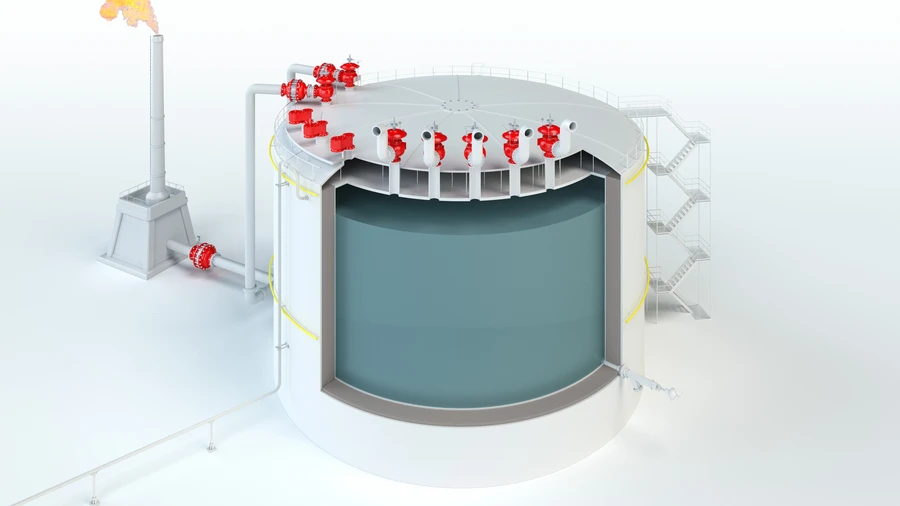
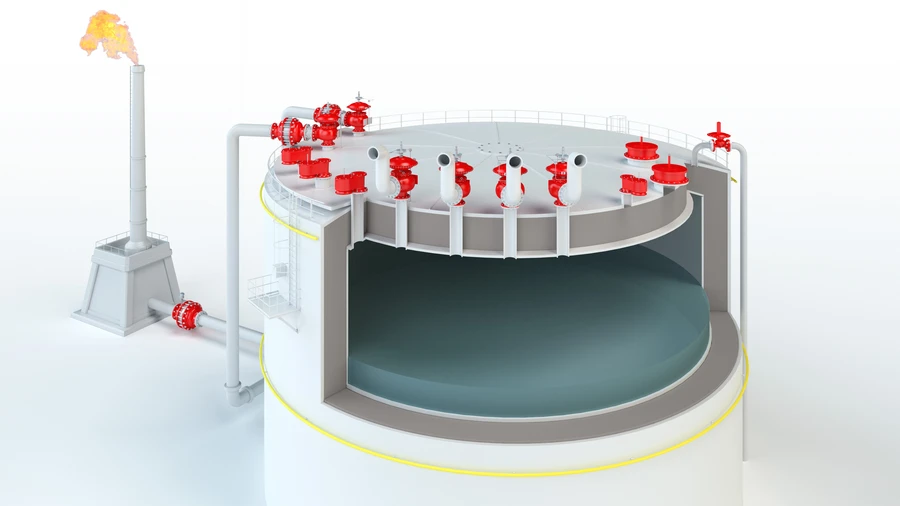
L'utilisation du propylène est soumise à des variations thermiques rapides, à une pression de vapeur élevée et à des transitoires de fonctionnement susceptibles de provoquer des conditions de surpression et de dépression. Ce concept offre une décompression contrôlée, une protection réactive contre la dépression et une décharge d'urgence en cas d’événements anormaux. La protection contre la détonation empêche la propagation de la flamme dans la tuyauterie, tandis que l’inertage stabilise l’espace vapeur et réduit les risques liés à l’atmosphère inflammable, garantissant ainsi un fonctionnement sûr et conforme.
Points forts
Une protection complète
Mesures de protection renforcées
Protection
Une gestion efficace
Protection des réservoirs de stockage LIN LOX LAR
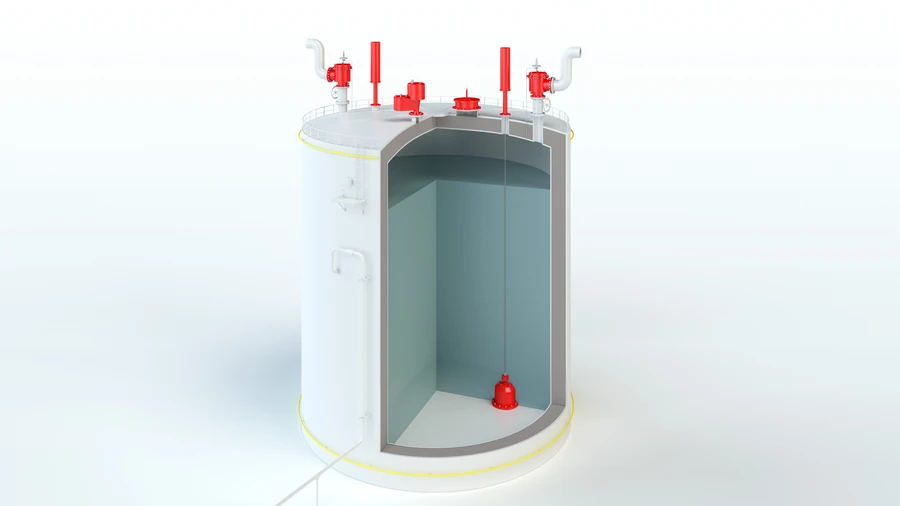
Dans le stockage cryogénique de LIN, LOX et LAR, la stabilité des conditions à l'intérieur des réservoirs est cruciale en raison des basses températures et des variations rapides de pression. Ce concept assure une régulation de la pression et une dépression contrôlée, ainsi qu'un une décompression d'urgence en cas de fonctionnement normal ou de défaillance. Une fonction de vidange par le fond à action rapide renforce la sécurité lors de la vidange et de la maintenance Maintenance Combination of all technical and administrative actions, including supervision actions, intended to maintain or restore a unit in working order. , garantissant l'intégrité du réservoir et un stockage conforme.
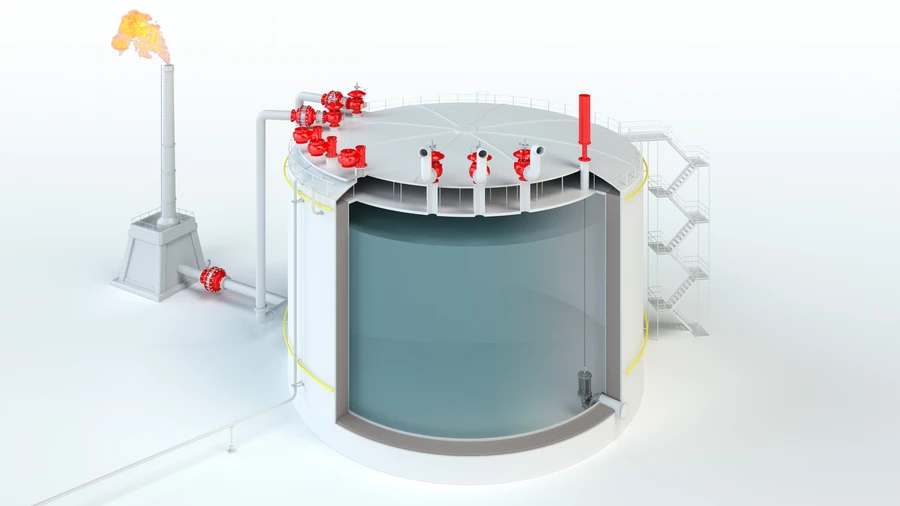
Réservoirs de stockage de GPL
Le stockage du GPL nécessite un contrôle efficace des conditions de pression et de dépression, associé à des dispositifs de sécurité contre la propagation des flammes. Le concept d'application intègre des soupapes de décharge de pression et de dépression, des vannes internes au réservoir et des pare-flammes anti-détonation en ligne afin de garantir un fonctionnement stable et de protéger le réservoir tant en fonctionnement normal qu’en cas de conditions anormales.
Points forts
Protection
Réduction des pertes de produits
Permet un fonctionnement sûr à basse température
Optimisation des processus
We would like to express our gratitude to the PROTEGO® team for the extraordinary support provided to us in identifying and resolving the trouble of a premature opening of one of our ammonia tank safety valves. Your flexibility in dealing with the subject, the displayed sense of urgency, and immediate and professional hands-on approach are exceptional and clearly distinguish you from other OEMs in the industry.