Points forts
Conceptions durables
Conformité
Fonctionnement plus sûr
Une protection complète
Exemple d'application
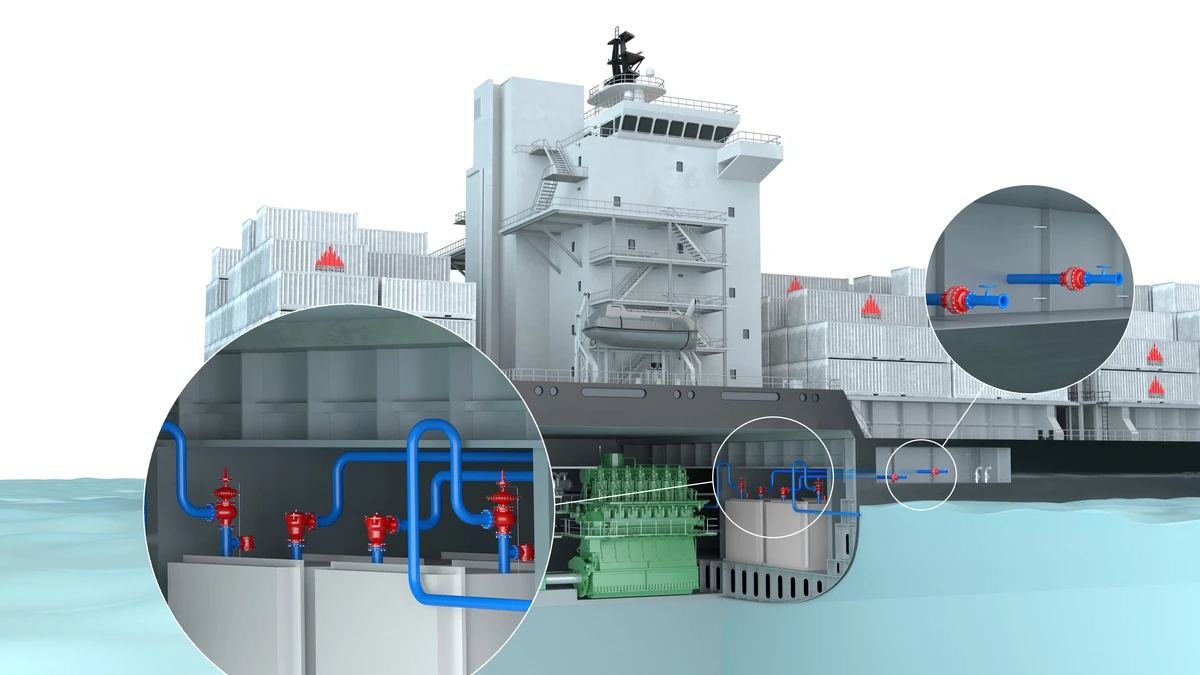
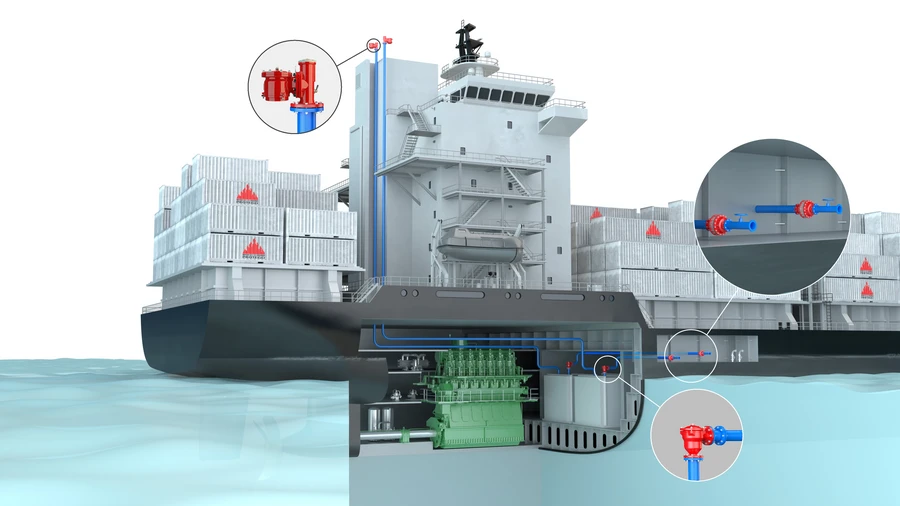
Schéma B
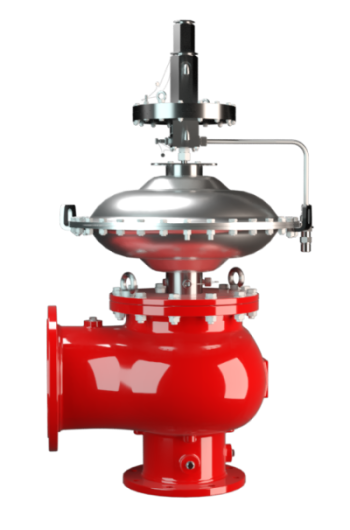
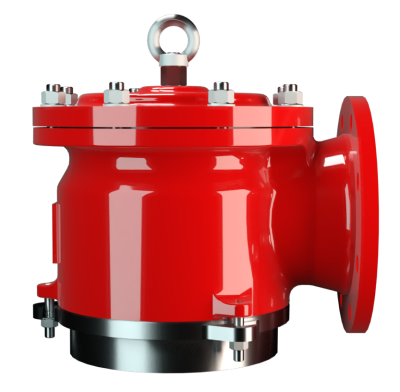
- Protection du réservoir de carburant grâce à une combinaison redondante en ligne d'une soupape de décharge de pression et de dépression pilotée et d'une soupape de décharge de pression à haute vitesse, associée à une soupape de décharge de dépression au niveau du mât de ventilation
- Les soupapes PROTEGO® sont homologuées selon la norme EN ISO 16852 et conformes respectivement aux normes ISO/IEC 80079-49 et ISO 15364
- Homologations selon l'organisme de classification sur demande

Points forts
Conceptions durables
Conformité
Fonctionnement plus sûr
Une protection complète
Exemple d'application
Schéma C
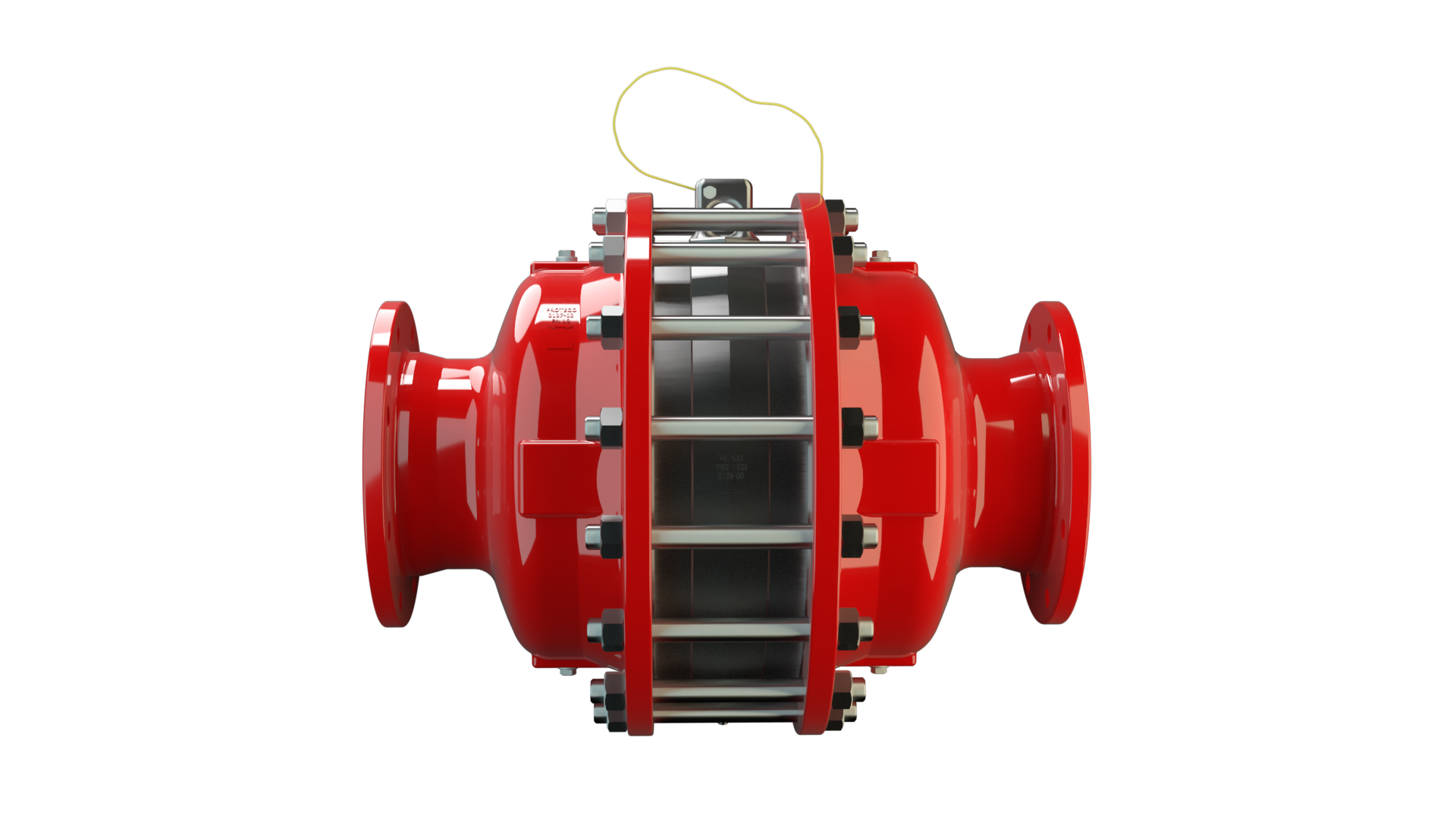
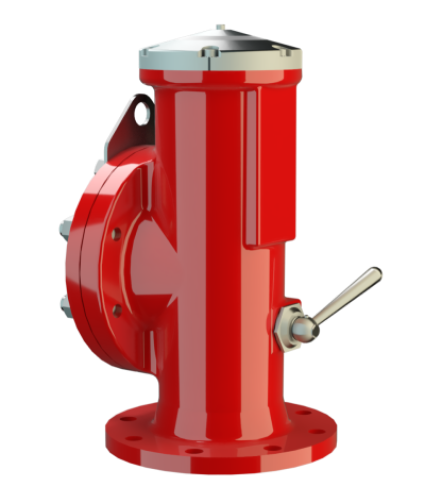
- Les arrêtes-flammes PROTEGO® sont homologués selon la norme EN ISO 16852 et conformes à la norme ISO/IEC 80079-49 afin d'assurer une protection contre les effets des déflagrations atmosphériques et du brûlage continu
- Les arrête-flammes PROTEGO® sont homologués pour le brûlage continu avec des alcools, conformément aux conditions d'exploitation
- Homologations de type par l'organisme de classification sur demande


Exemple d'application
Schéma D
- Les arrête-flammes PROTEGO® sont homologués selon la norme EN ISO 16852 et conformes à la norme ISO/IEC 80079-49, respectivement pour le groupe d'explosibilité IIA (méthanol) et IIB1 ou supérieur (éthanol)
- Les arrête-flammes PROTEGO® sont homologués et testés pour des pressions et des températures élevées, conformément aux conditions d'exploitation
- Homologations de type par l'organisme de classification sur demande
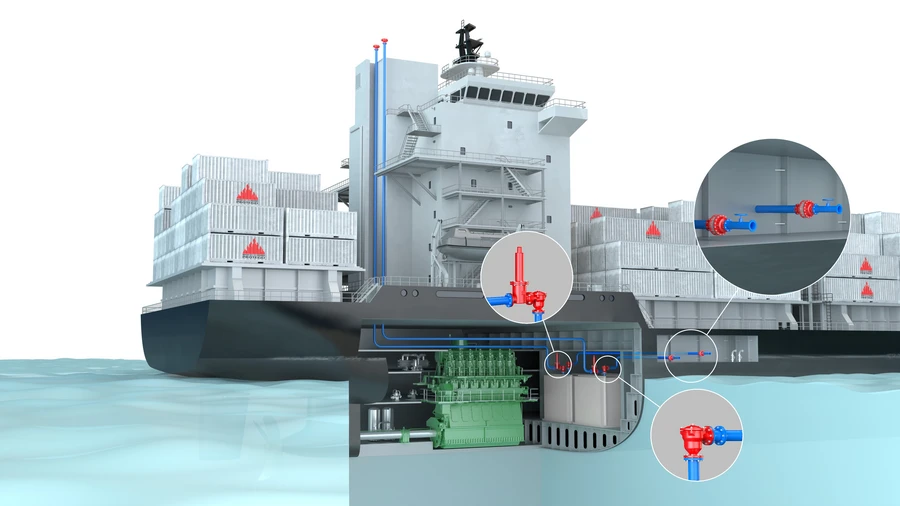
Exemple d'application
Schéma E
- Les vannes PROTEGO® sont homologuées selon la norme EN ISO 16852 et sont conformes aux normes ISO/IEC 80079-49 et ISO 15364
- Homologations délivrées par l'organisme de classification sur demande
Points forts
Conceptions durables
Conformité
Fonctionnement plus sûr
Une protection complète
The PROTEGO® devices are working to our utmost satisfaction. PROTEGO®—who, with their technical expertise, supported in reducing the overall life cycle cost of the Detonation Detonation Explosion propagating at supersonic velocity and characterized by a shock wave (EN 1127-1: 1997). Flame Arresters Flame arrester Device fitted to the opening of an enclosure, or to the connecting pipe work of a system of enclosures, and whose intended function is to allow flow but prevent the transmission of a flame. installed at our plant by installing flame arresters Flame Arresters A flame arrester, deflagration arrester, or flame trap is a device or form of construction that will allow free passage of a gas or gaseous mixture but will interrupt or prevent the passage of flame. , which are easy to clean and maintenance Maintenance Combination of all technical and administrative actions, including supervision actions, intended to maintain or restore a unit in working order. -friendly.