Amônia como transportador de hidrogênio
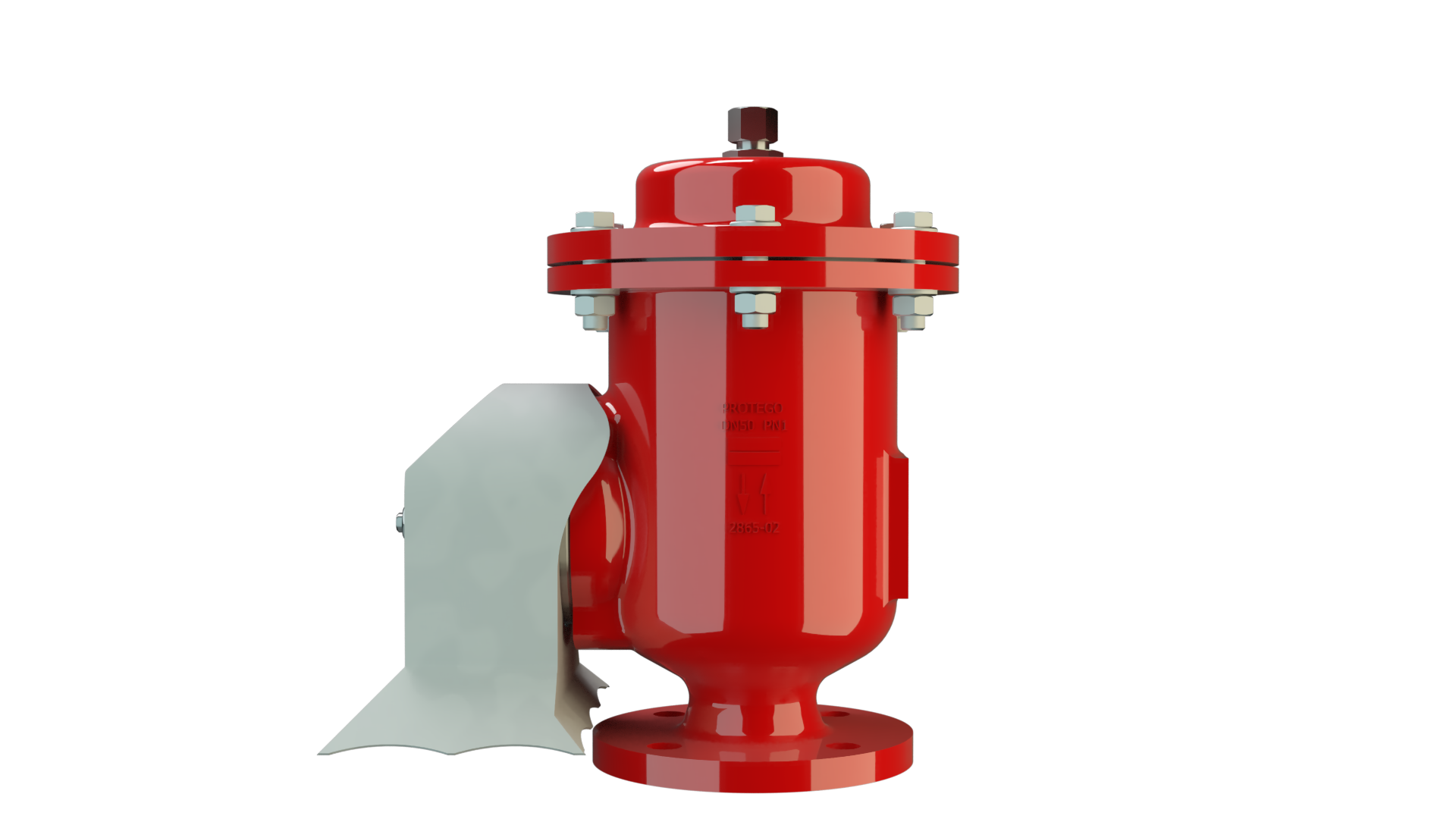
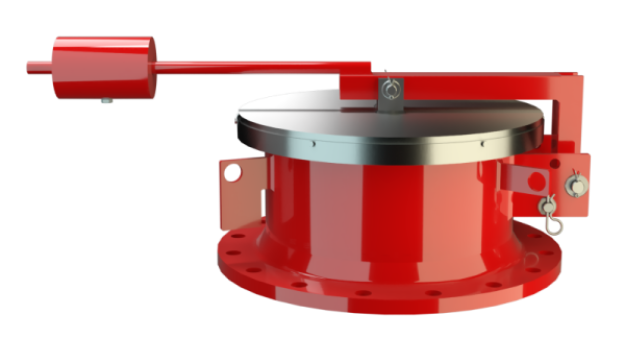
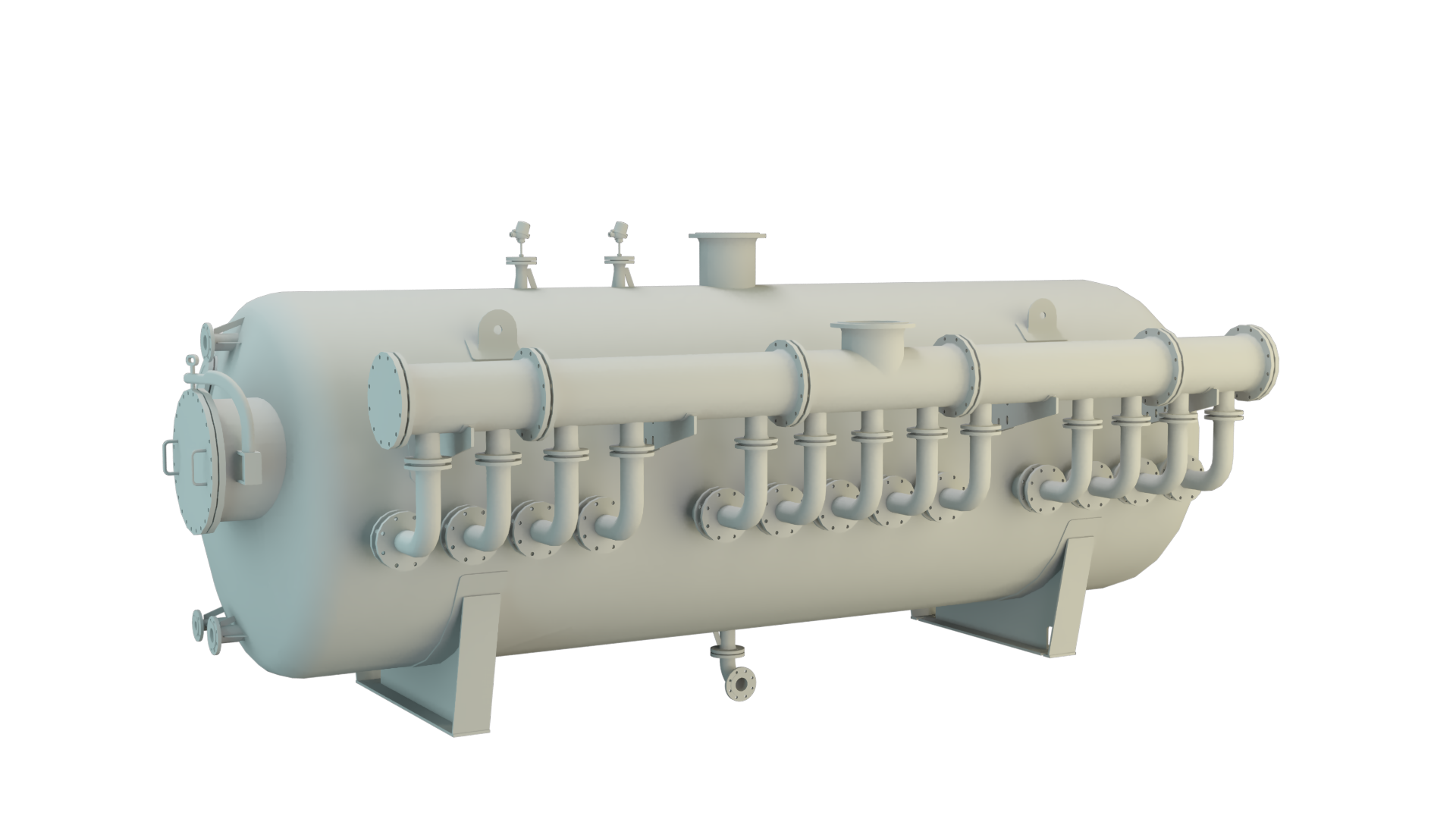
A amônia é amplamente utilizada como um meio eficaz para transportar e armazenar hidrogênio. Nessa configuração, as considerações de segurança vão além do próprio hidrogênio, abrangendo os sistemas de tanques associados e os dispositivos de ventilação.
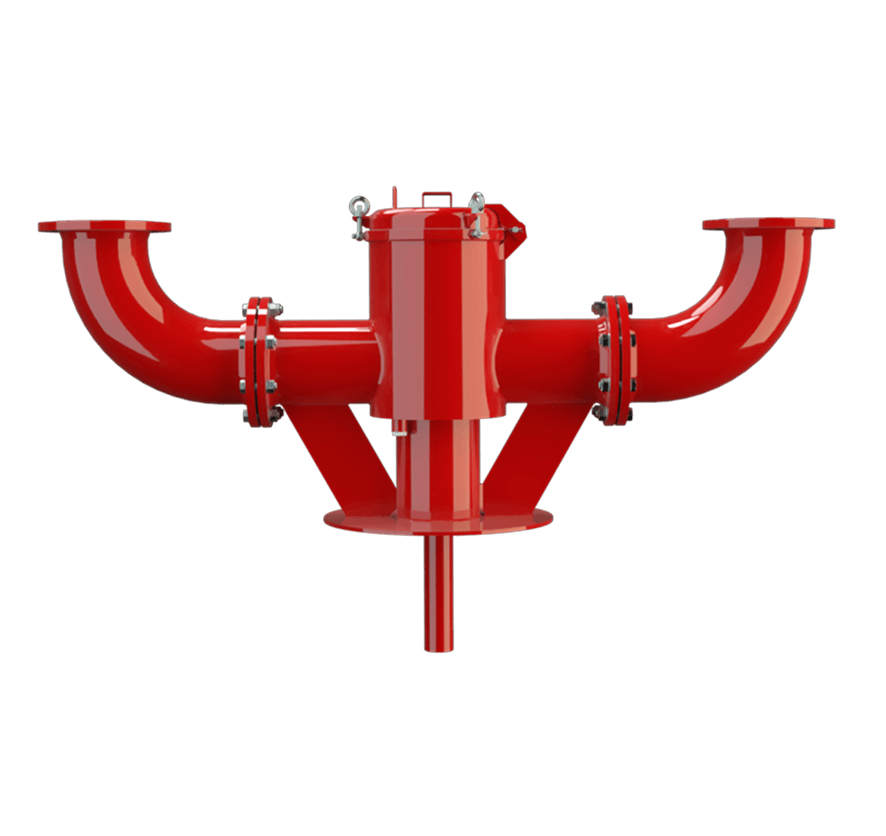
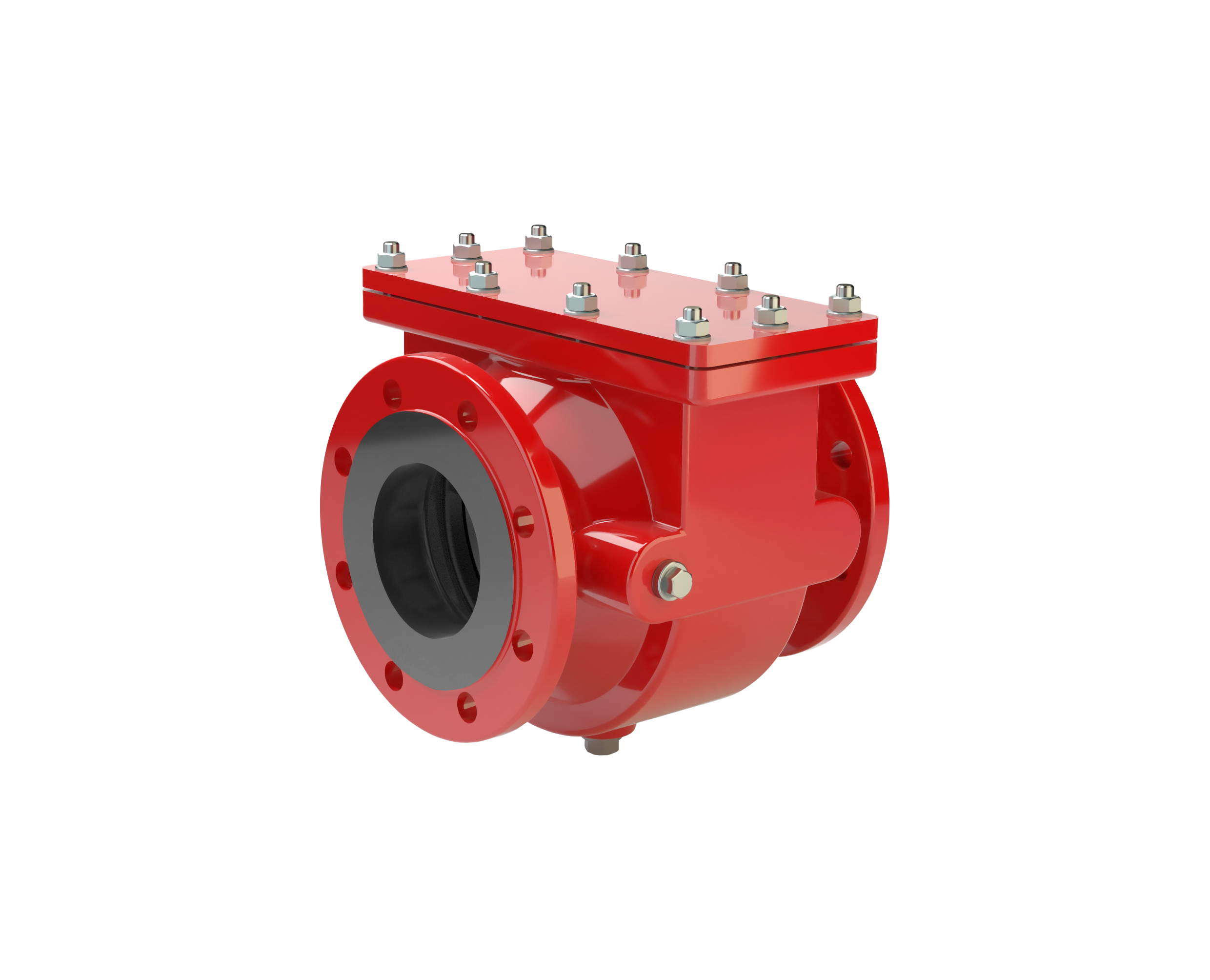
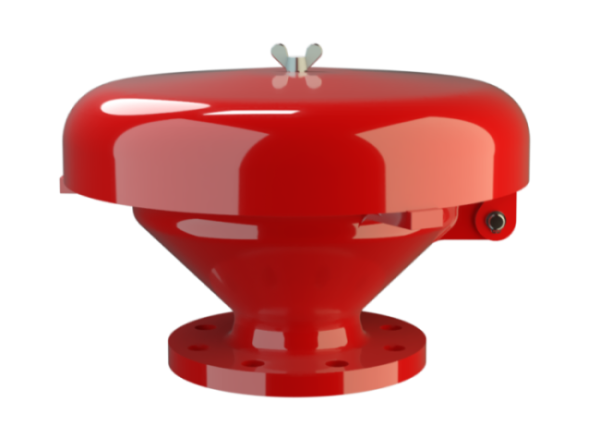
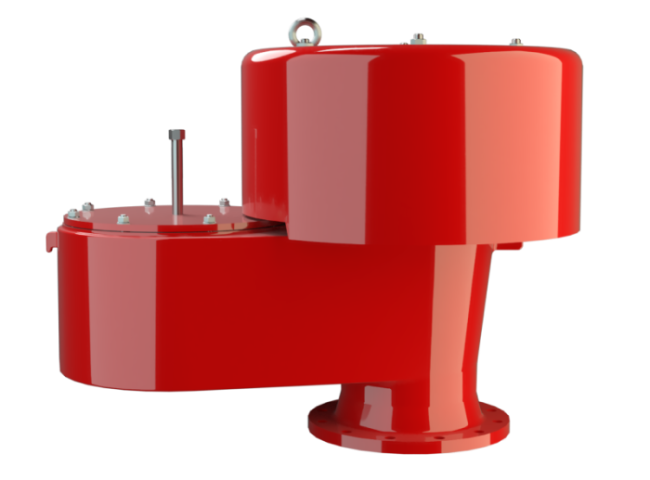
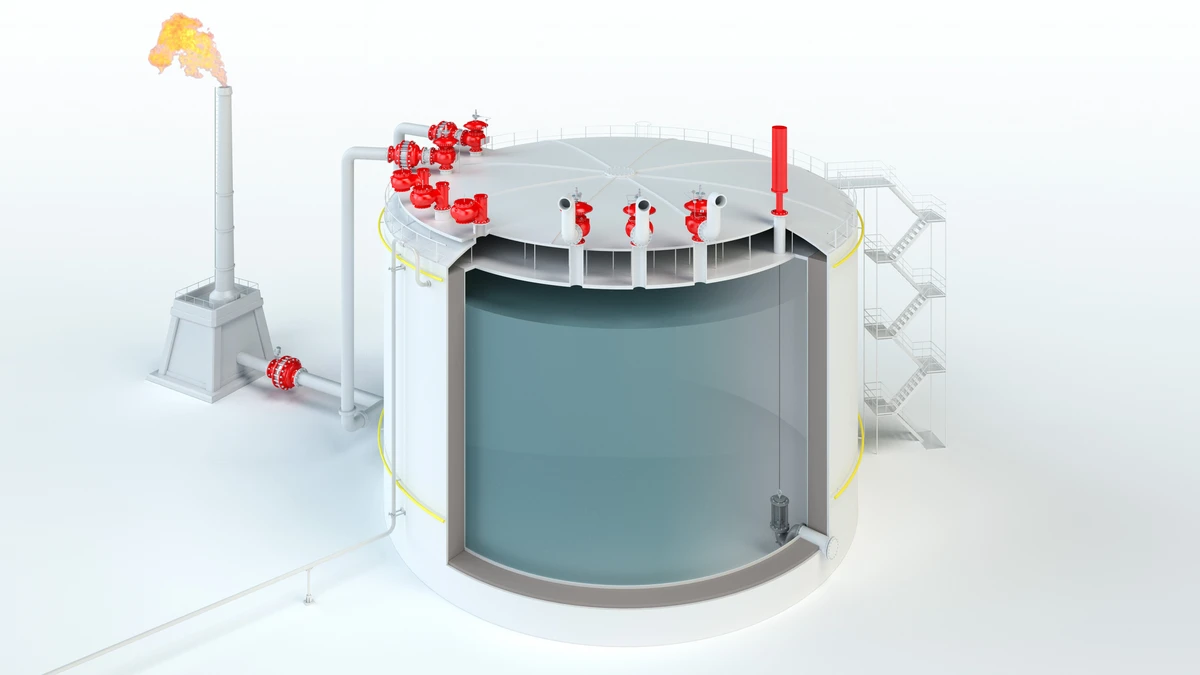
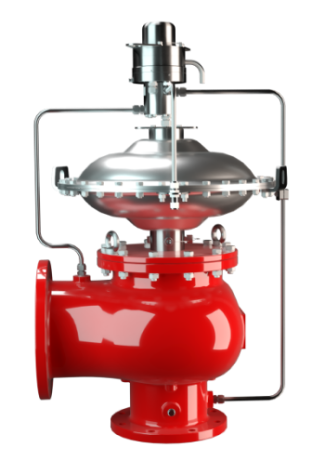
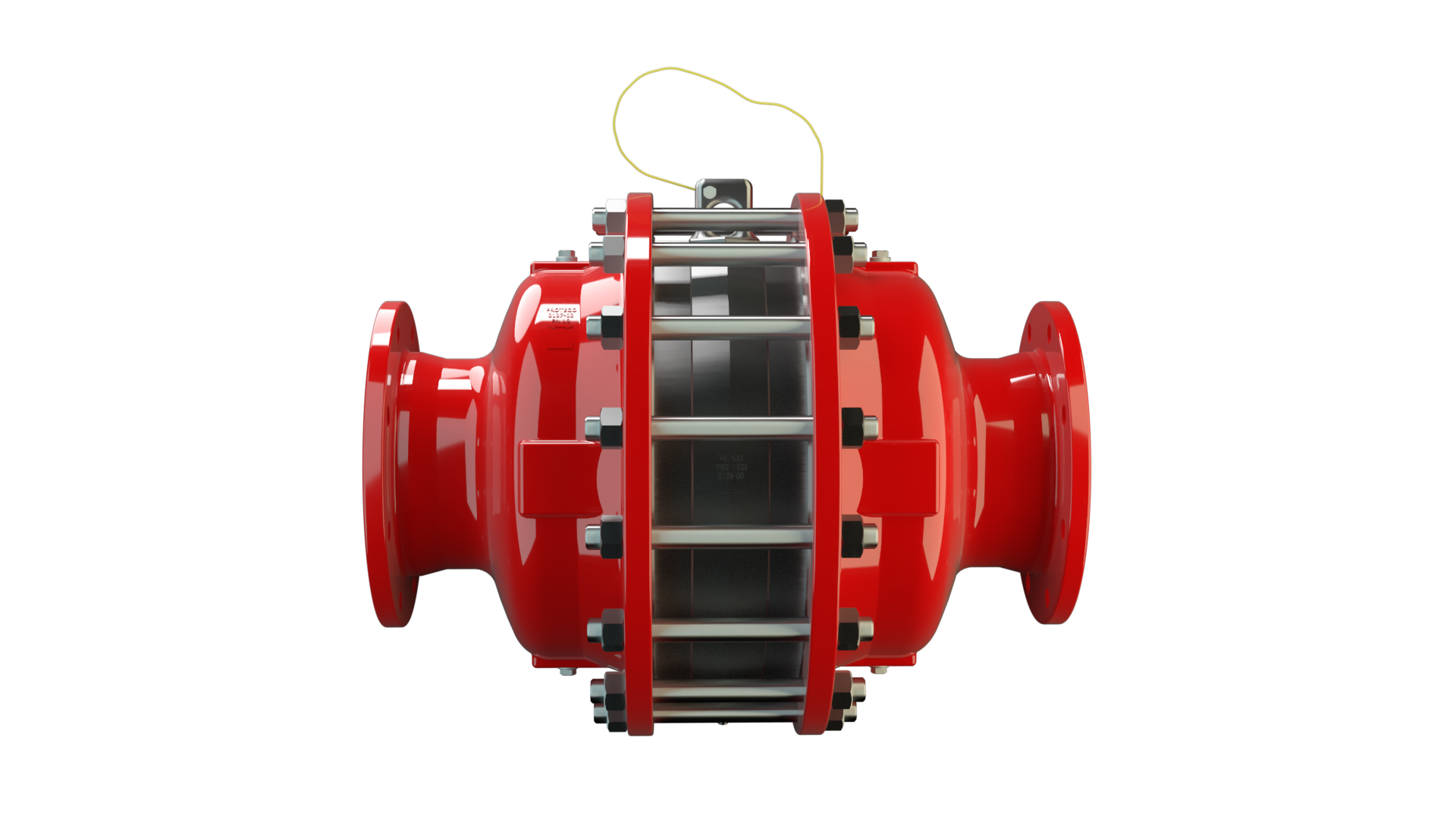
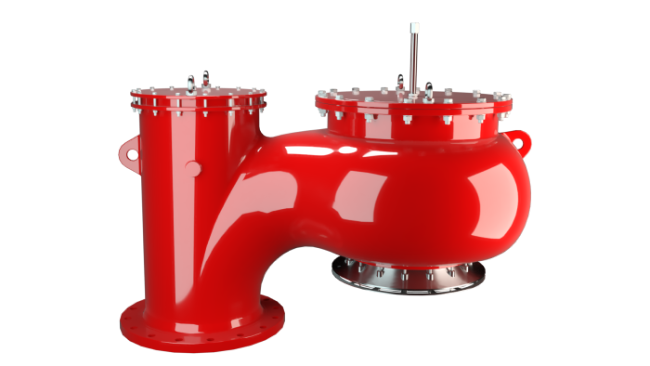
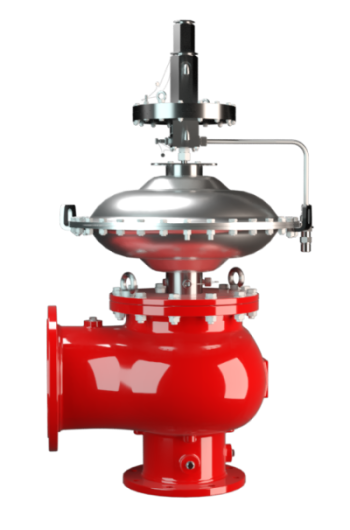
Uma configuração exemplar de tanque de armazenamento de amônia ilustra a disposição de válvulas de alívio de pressão e vácuo, válvulas de bloqueio in-tank e corta-chamas em linha à prova de detonação como parte de um conceito integrado de segurança.
Destaques
Proteção
Redução das perdas de produto
Permite uma operação segura a baixas temperaturas
Otimização de processos
Aplicações para
Processos de eletrólise
A segurança do sistema e a proteção do pessoal são prioridades absolutas durante a produção e o transporte de hidrogênio. O hidrogênio é misturas altamente inflamáveis e explosivas com o ar, apresentando baixas energias de ignição e estreitas faixas de segurança.
O risco de explosão aumenta com concentrações mais elevadas de oxigênio, como nos processos de eletrólise. Os equipamentos de segurança são selecionados com base na concentração de hidrogênio-oxigênio. A engenharia garante que as medidas de proteção estejam alinhadas com as condições reais de operação.

Destaques
Nenhum incidente de flashback
Maior tempo de atividade e menores perdas
Confiança ao longo do ciclo de vida
Conformidade simplificada
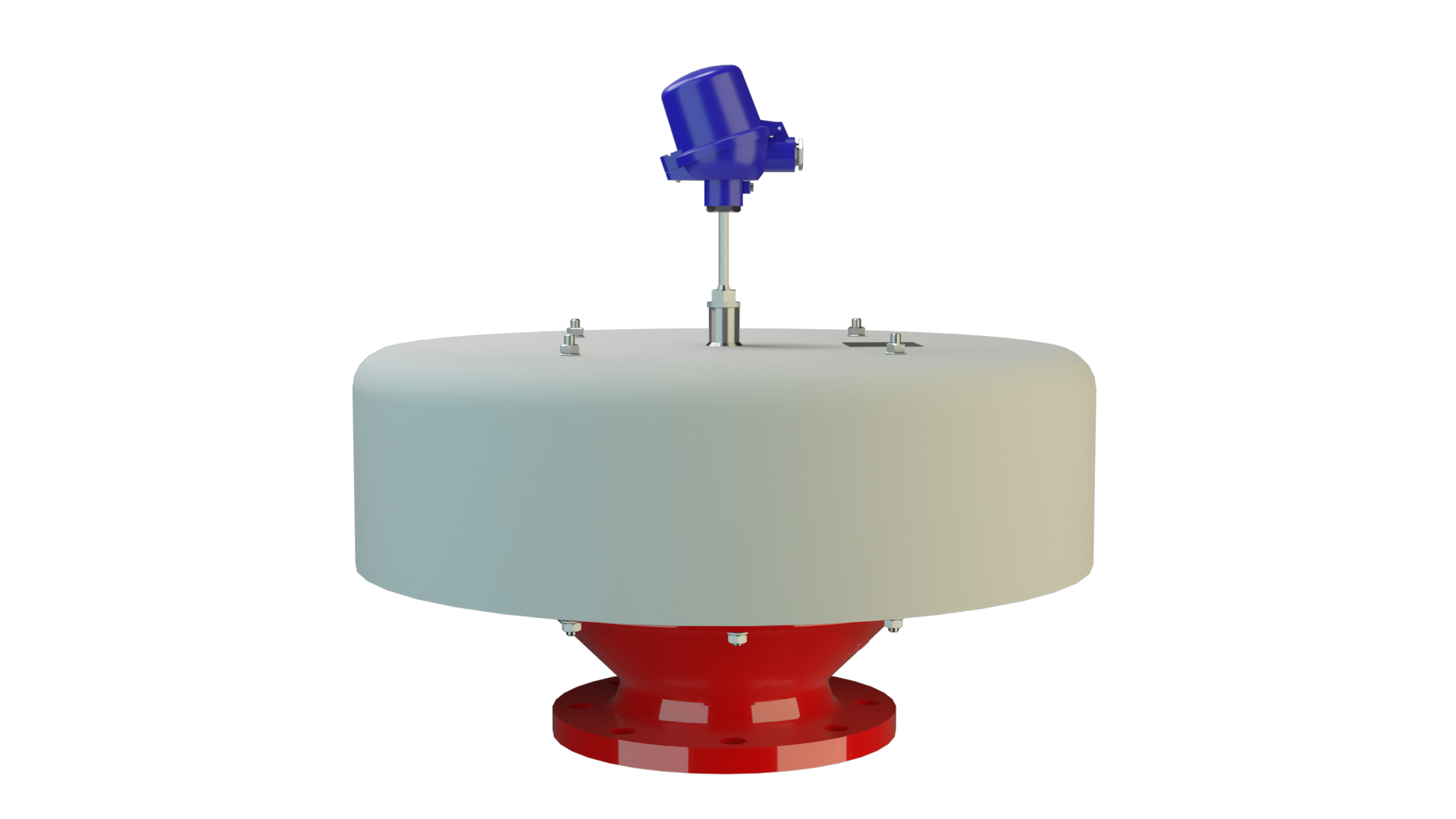

We are highly impressed to see the quality of the products and the knowledge to help us build a state-of-the-art storage terminal. We have always appreciated the timely deliveries of the flame arresters Flame Arresters A flame arrester, deflagration arrester, or flame trap is a device or form of construction that will allow free passage of a gas or gaseous mixture but will interrupt or prevent the passage of flame. and other equipment Equipamento Machines, appliances, fixed or mobile devices, control parts and accessories, and warning and prevention systems, whether separate or combined, intended for the generation, transfer, storage, measurement, control, and conversion of energy, and for the processing of materials, which have their own potential source of ignition and may cause an explosion. .