Protection Concepts with Emergency Venting
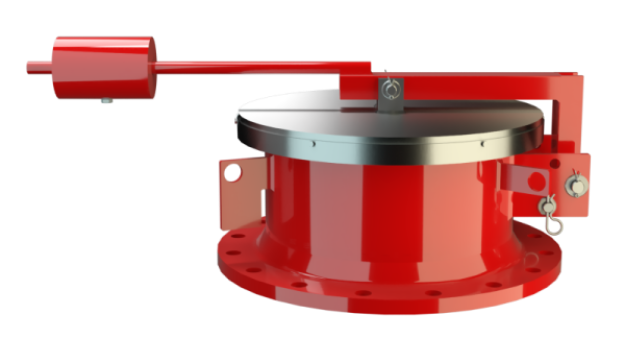
Where free-standing alcohol storage tanks are designed for fire exposure scenarios and do not rely on frangible roof-to-shell connections, emergency relief capacity becomes a critical design requirement.
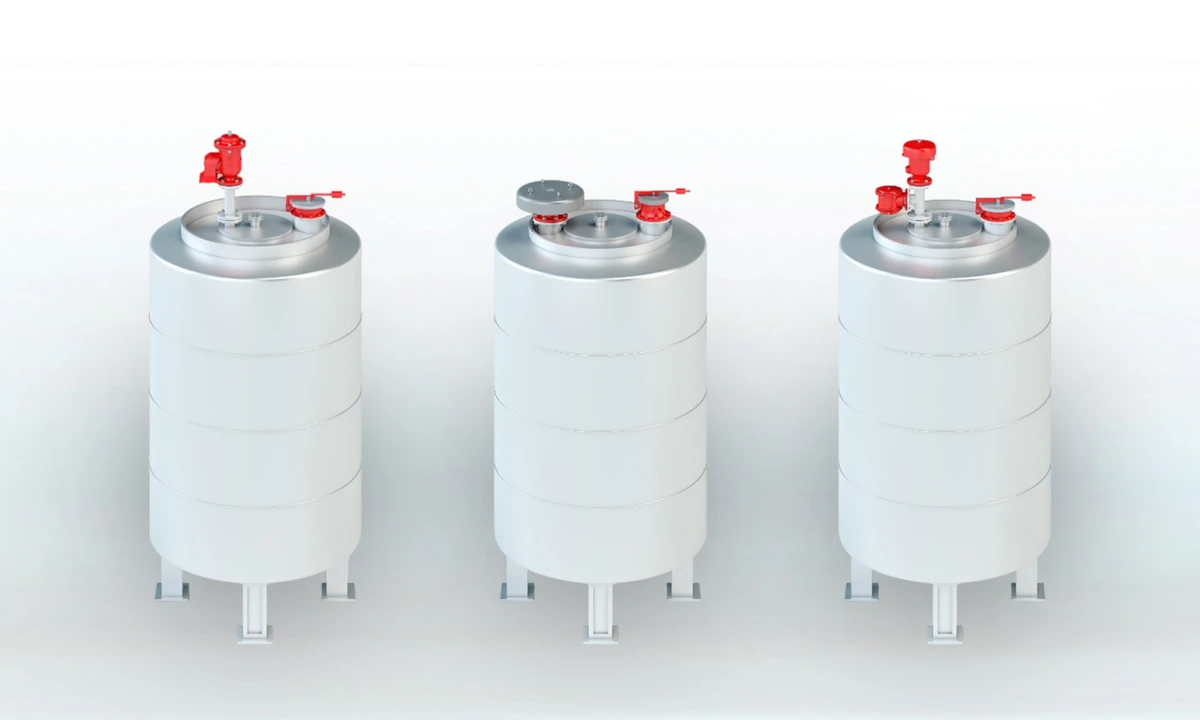
In these cases, tank protection concepts are designed to manage:
- Normal tank breathing during filling, emptying, and temperature changes
- Abnormal operating conditions, including external fire exposure
Typical configurations combine
deflagration
Deflagration
Explosion propagating at subsonic velocity (EN 1127-1:1997).
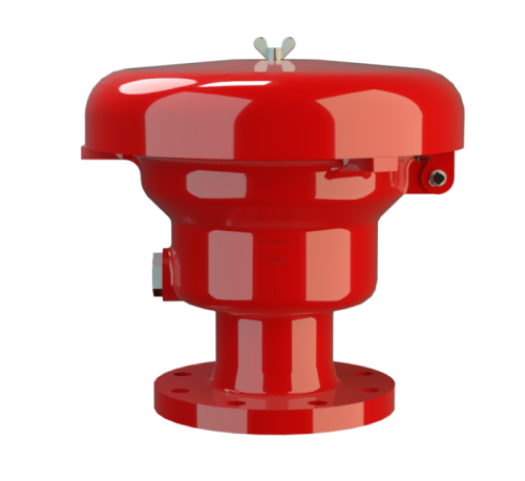
-safe pressure and vacuum relief with dedicated emergency pressure relief capacity, ensuring that both routine operation and fire-case requirements are addressed within a coordinated system.
Depending on local standards and regulatory expectations, flame protection components may also require endurance-burning capability for alcohol service. Explosion protection can be integrated directly into pressure and vacuum relief devices or provided as an end-of-line function at the vent outlet.
This approach ensures:
- Controlled pressure and vacuum management under normal operation
- Sufficient emergency relief capacity during fire scenarios
- Clearly defined protection functions that support inspection and long-term maintainability
Protection Concepts without Emergency Relief Venting
For free-standing alcohol storage tanks where emergency venting is not required based on applicable standards, fire risk assessment, or tank design assumptions, protection concepts focus on tank breathing and explosion Explosion Abrupt oxidation or decomposition reaction producing an increase in temperature, pressure, or in both simultaneously. prevention.
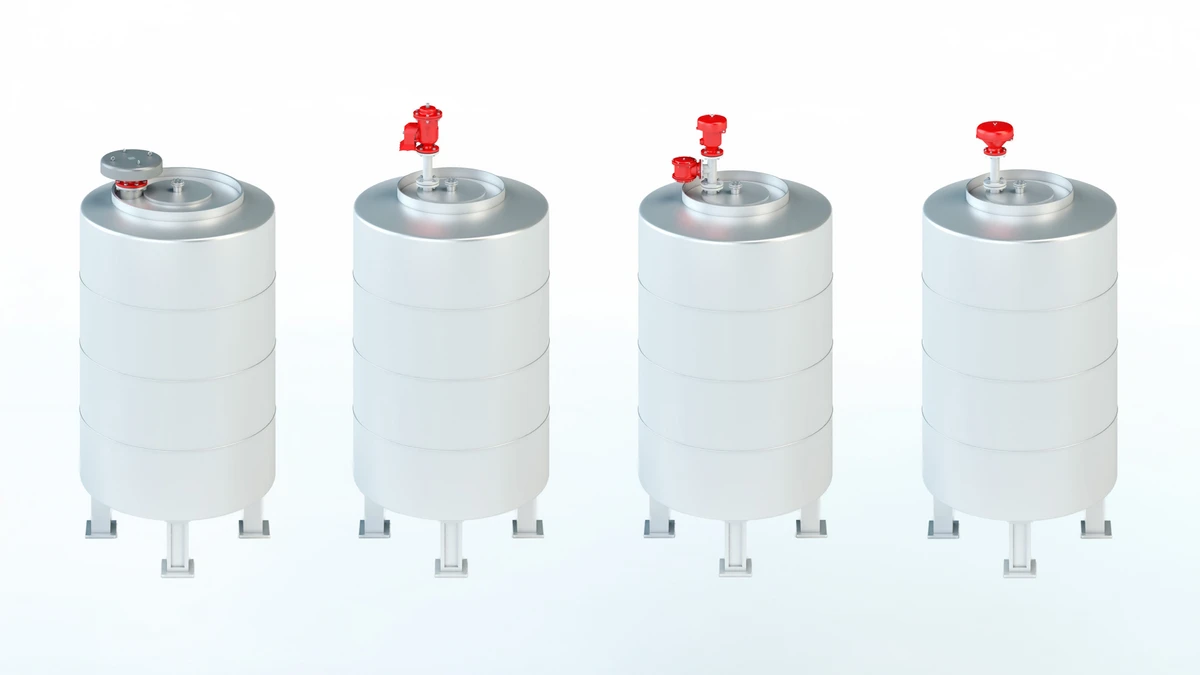
In these configurations, tank protection is designed to manage:
- Pressure and vacuum fluctuations during normal operation
- Prevention of flame transmission into the tank
Typical arrangements include deflagration-proof end-of-line
flame arresters
Flame Arresters
A flame arrester, deflagration arrester, or flame trap is a device or form of construction that will allow free passage of a gas or gaseous mixture but will interrupt or prevent the passage of flame.
or pressure and vacuum relief devices with flame protection within the relief valve itself. Where required for alcohol service, endurance-burning performance may be applied to the flame protection components.
By limiting the system to normal venting functions, this concept supports:
- Stable and efficient day-to-day operation
- Reduced system complexity
- Clear and accessible venting layouts for inspection and maintenance Maintenance Combination of all technical and administrative actions, including supervision actions, intended to maintain or restore a unit in working order.
Highlights
Flashback prevention
Lower emissions
Compliant relief capacity
Process opimization support
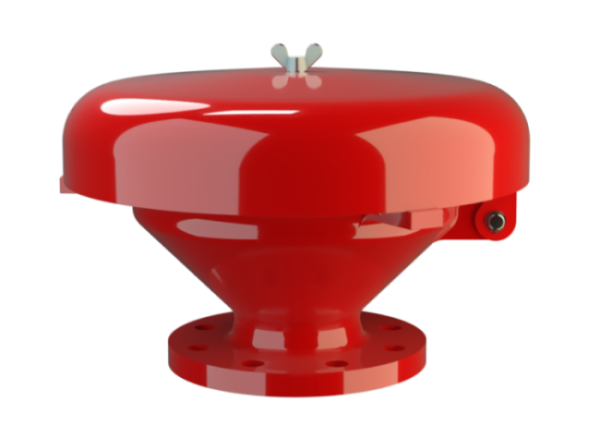
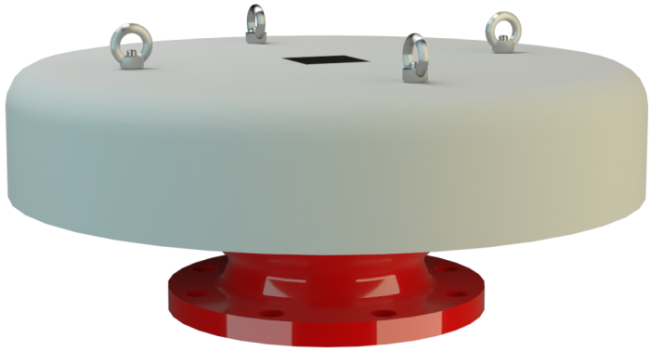
The devices have performed as promised with low leak rates and minimal maintenance effort. We highly recommend them.
Talk to a PROTEGO® engineer to request guidance for your vessel or terminal loading application