PM-HF

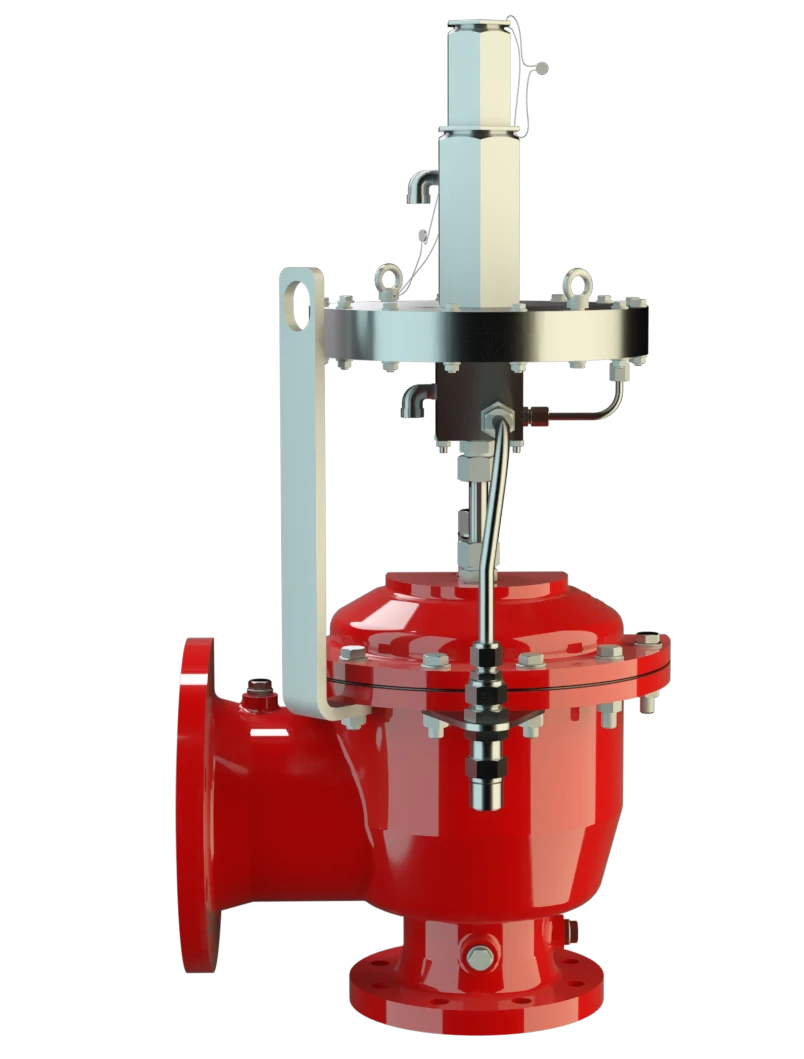
Pressure/Vacuum Relief Valve Pilot-operated diaphragm valve
Features

Field Test Kit
field test and kit connection possible upon request
10% Technology
for minimum pressure increase up to full lift
Pilot -operated
controlled by corrosion-resistant control valve (pilot valve)
Extreme Tightness
resulting in lowest possible product losses and reduced environmental pollution
Low Emissions
small amounts of tank substance is released into the atmosphere when the valve is opened
Flow Capacity
optimized flow capacity
Used in Explosion Hazardous Areas
can be used in explosion hazardous areas
High Stability
stable and enhanced valve construction
Function and Description

Combined Pressure and Vacuum Relief Valve
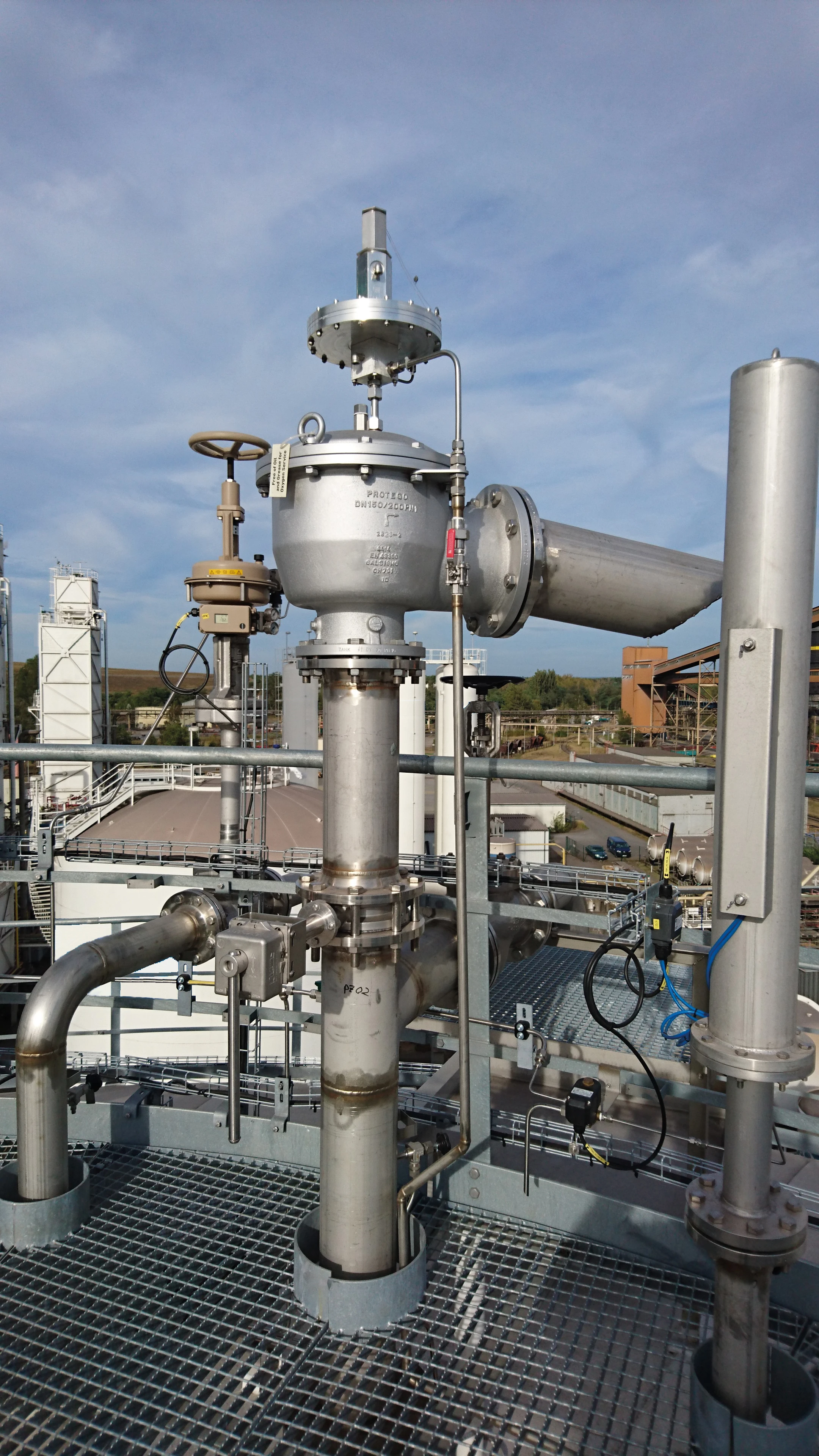
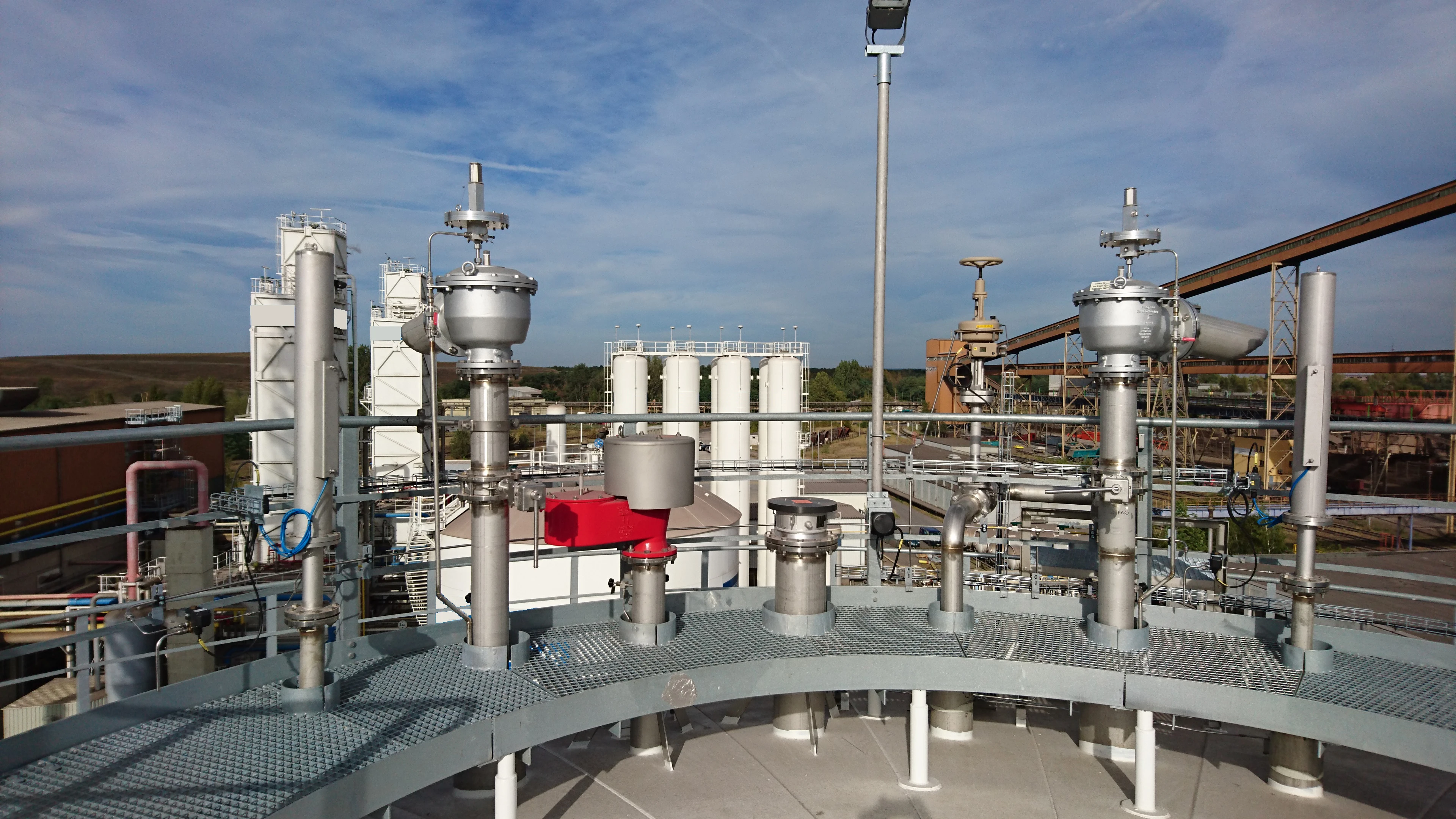
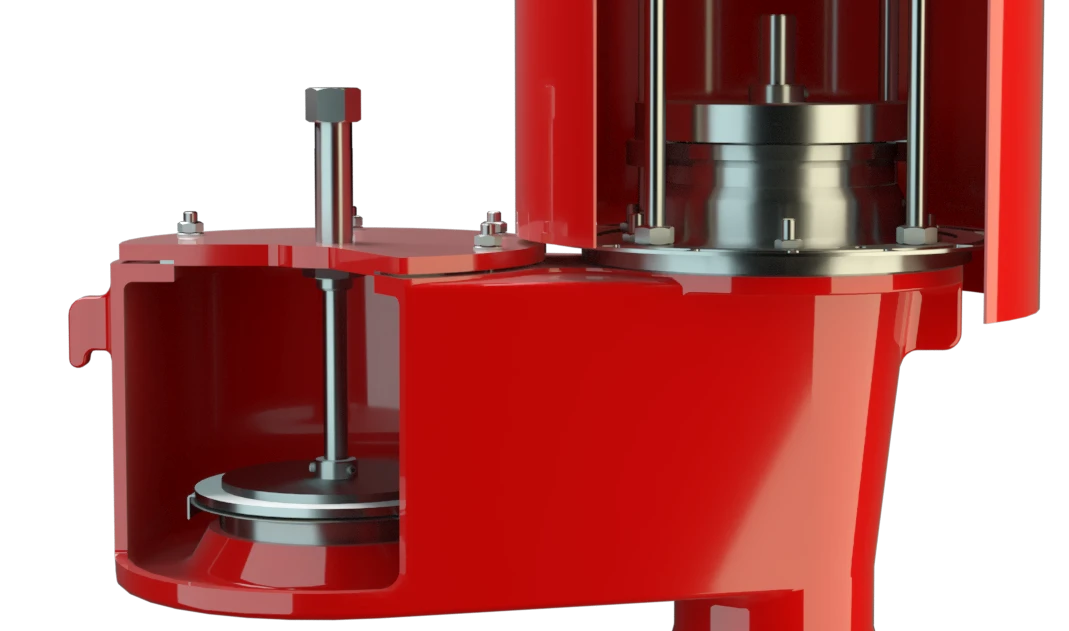
The PROTEGO® Type PM-HF pilot-controlled diaphragm Membrana A diaphragm is a thin layer of material, which has a large surface area. valve is a highly developed valve for pressure and vacuum Vácuo Vacuum is the pressure in an enclosed space that is lower than the ambient pressure. relief. Primarily used as a device Equipamento A device is a pipe component that influences the media flow by opening, closing, or partially shutting off the flow channel or by dividing or mixing the media flow. for outbreathing in tanks, vessels, and process engineering equipment it also offers reliable protection from vacuum and overpressure Sobrepressão Overpressure refers to an increase in pressure in a system or vessel above the normal operating pressure. . It prevents intake of air and unacceptable product Produto Includes equipment, protective systems, devices, components and combinations of these. vapor loss up to and until the set-to-operate pressure is reached. The valve can be used as an inbreathing device as well. In such an application, the main valve is directly controlled when exposed to a vacuum, i.e. it functions as a weight-loaded diaphragm valve.

Tank pressure controls the pilot valve

The main valve is controlled by a pilot valve Válvula piloto The pilot valve is an assembly of a pilot operated valve, which is mounted on the main valve and is used to control the main valve. . The latter in turn is controlled by the tank pressure Pressão de tanque Tank pressure is the pressure within a tank. . A small amount fluid stored in the tank released into the atmosphere by the pilot when the valve opens. The set-to-operate pressure is adjusted on the pilot valve by increasing or decreasing (as appropriate) the tension of a spring Mola A spring is a spiral of wire which returns to its original shape after it is pressed or pulled. .

Extreme tightness

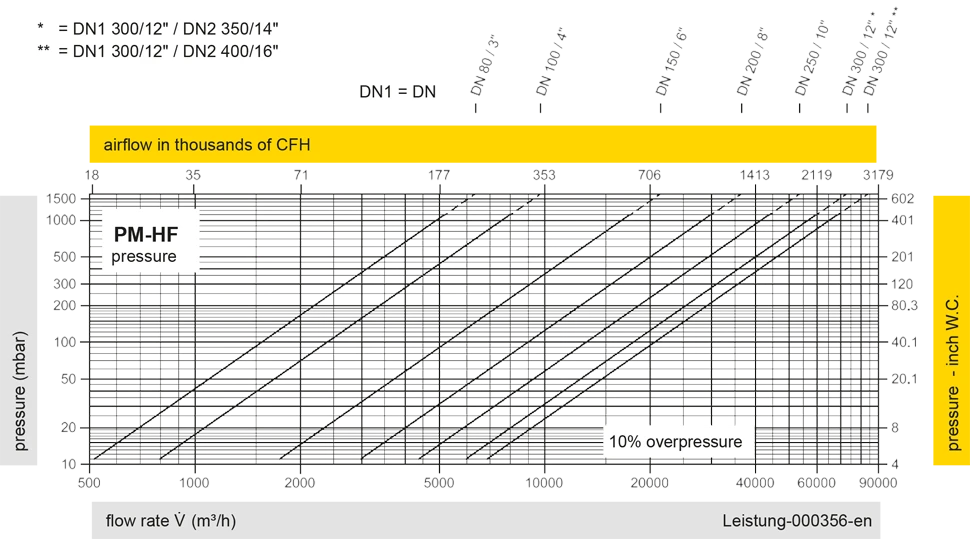
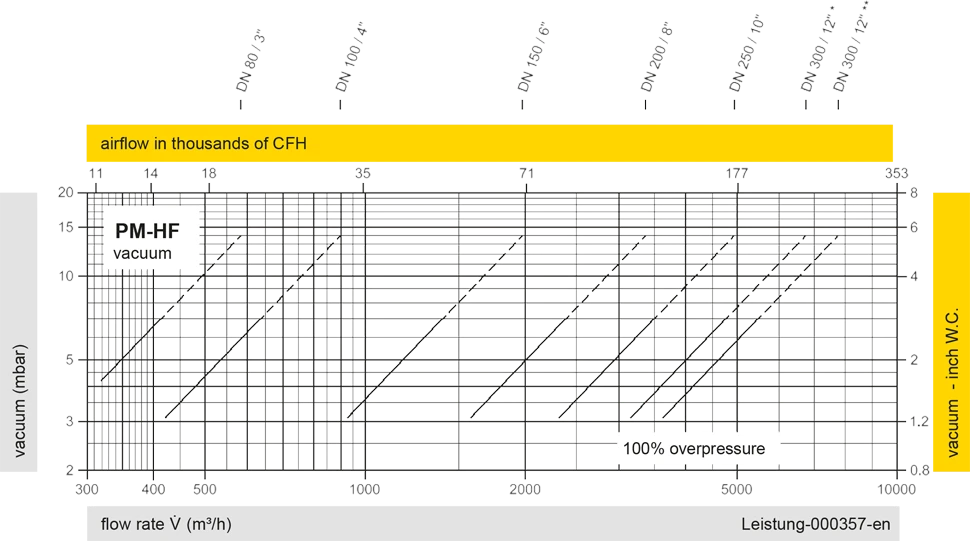
As the working pressure rises, the closing force acting on the main valve increases, i.e. the valve's tight-sealing is enhanced until the set-to-operate pressure is reached, thus preventing leakage. Once the valve has commenced to lift Curso Lift is the actual travel of the valve pallet from the main valve out of the closed position. it opens fully within a 10% pressure rise or the opening pressure difference and the nominal volumetric fl ow is discharged through a fully open valve. If and when this level is exceeded the pressure increase will follow the performance curve (Δp/V.curve). From set pressure Pressão de descarga Set pressure is the gauge pressure at the device inlet at which the relief device is set to start opening under service conditions. to full capacity (fully open valve) the pressure increase is 100% in case of vacuum venting/inbreathing function.

advanced manufacturing technology

Due to the sophisticated manufacturing technology, the tank pressure is maintained up to the set-to-operate pressure, with seal Vedação A seal prevents or limits unwanted transfer of product from one container to another. Seal is used as superordinate term for all types of sealing elements. -tight requirements far above common standards being met. This feature is achieved through valve seats made of high-grade stainless steel with precisely ground valve pallets. Once the excess pressure is relieved or pressure below atmospheric balanced out, the valve reseats and seals tight again.
Product Data

Dimensions

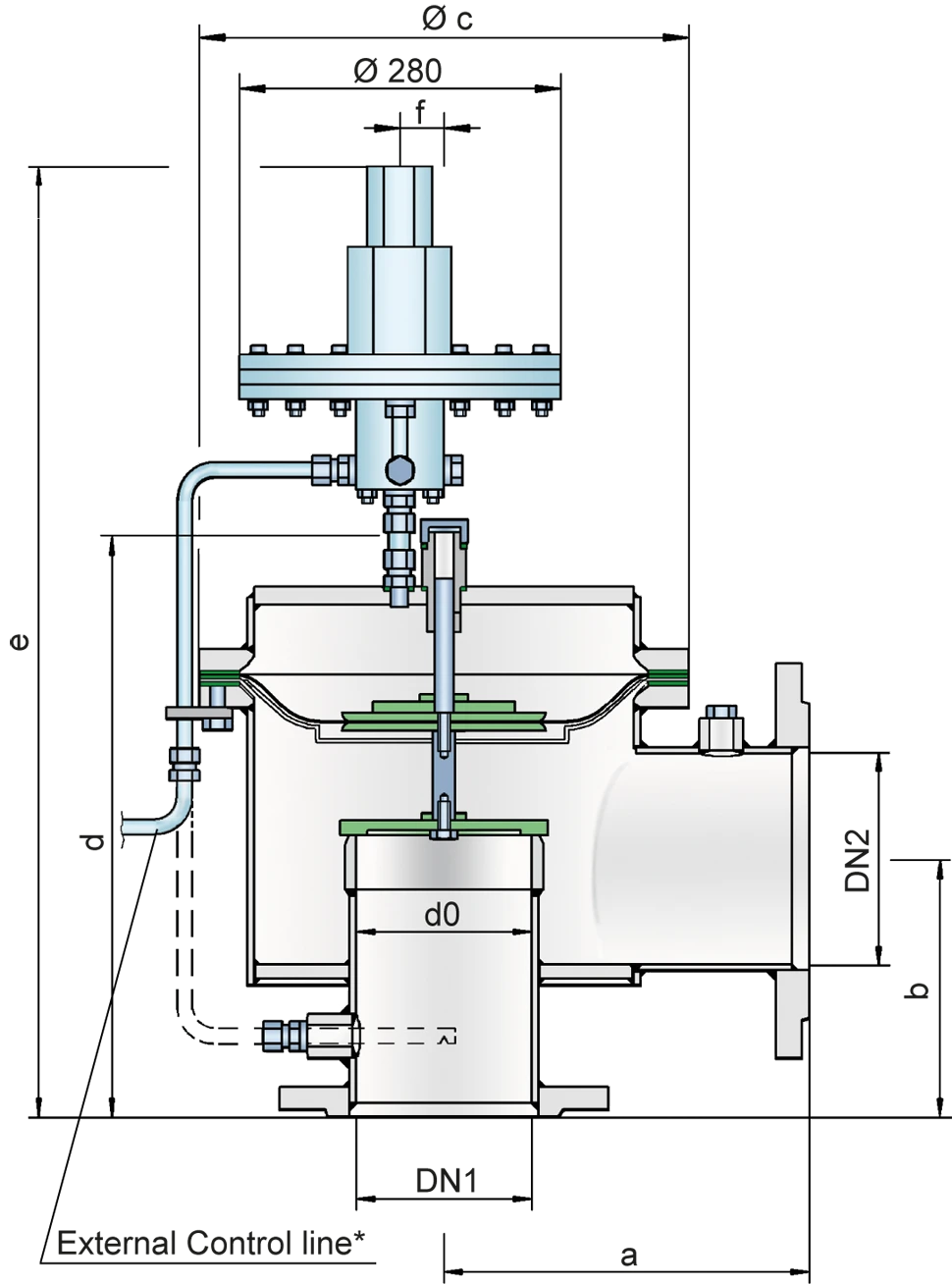
To select the nominal size Dimensão nominal The nominal size is an alphanumeric designation of size for components in a piping system, used for reference purposes, comprising the letters DN followed by a dimensionless integer that is indirectly related to the physical size of the bore or outside diameter of the connections, expessed in millimeters. (DN), use the flow capacity charts on the following pages

DN180 / 3" 100 / 4" 150 / 6" 200 / 8" 250 / 10" 300 / 12" 300 / 12"
DN2100 / 4"150 / 6"200 / 8"250 / 10"300 / 12"350 / 14"400 / 16"
a225 / 8.86250 / 9.87325 / 12.80375 / 14.76450 / 17.72500 / 19.69500 / 19.69
b150 / 5.91175 / 6.89225 / 8.86250 / 9.84270 / 10.63300 / 12.81325 / 12.80
c275 / 10.83330 / 12.99445 / 17.52550 / 21.65665 / 26.18785 / 30.91785 / 30.91
d376 / 14.80429 / 16.89536 / 21.10607 / 23.90678 / 26.69796 / 31.34846 / 33.31
e763 / 30.04770 / 30.31923 / 36.34977 / 38.461052 / 41.421173 / 46.181223 / 48.15
f35 / 1.3840 / 1.5740 / 1.5750 / 1.9750 / 1.9750 / 1.9750 / 1.97

Dimensions in mm / inches

Material selection for housing

Design AB
HousingAluminiumStainless Steel
Valve seatStainless SteelStainless Steel
SealingKL-C-4106KL-C-4106
Main diaphragm protectionStainless SteelStainless Steel
Pilot linesStainless SteelStainless Steel
Pilot housing Corpo A housing is a solid shell, which surrounds a content, either protecting the content from external influences, or protecting the environment from the content. AluminiumAluminium / Stainless Steel
Pilot diaphragmFEPFEP

Special materials upon request

Coefficient of Discharge

DN180 / 3" 100 / 4" 150 / 6" 200 / 8" 250 / 10" 300 / 12" 300 / 12"
DN2100 / 4"150 / 6"200 / 8"250 / 10"300 / 12"350 / 14"400 / 16"
do81 / 3.19107 / 4.21160 / 6.30208 / 8.19260 / 10.24310 / 12.20310 / 12.20
K0,680,680,630,590,580,540,61

DN1 = Size Inlet
DN2 = Size Outlet
d0 = Orifice Diameter (mm / inches)
K = Coefficient of Discharge

Flange connection type

EN 1092-1; Form B1
ASME B16.5 CL 150 R.F.

other types upon request

Design Types and Specifications

Following designs are available:

Additional special devices available upon request
*It is recommended thet an external control line be provided with direct connection to the tank

Settings

Pressure:+10 mbar+1034 mbar
+4 inch W.C.+413.6 inch W.C.
Vacuum:-3.0 mbar-7 mbar
-1.2 inch W.C.-2.8 inch W.C.
-2.2 mbar-7 mbar
-0.88 inch W.C.-2.8 inch W.C.

Higher or lower settings upon request.

Flow Capacity Chart

The flow capacity charts have been determined with a calibrated and TÜV certified flow capacity test rig. Volume flow V in (m³/h) and CFH refer to the standard reference conditions of air ISO 6358 (20°C, 1bar). For conversion to other densities and temperatures refer to Sec. 1: “Technical Fundamentals”.
Applications

Contact CSR Department 

If you have any questions, feedback, or additional input, our team of experts will be glad to support you.

Picture of Mrs. Auris-Nadine Hillen
Mrs. Auris-Nadine Hillen

CSR Department

+49 (0)5307 809 108