PROTEGO®
Deflagration Flame Arresters
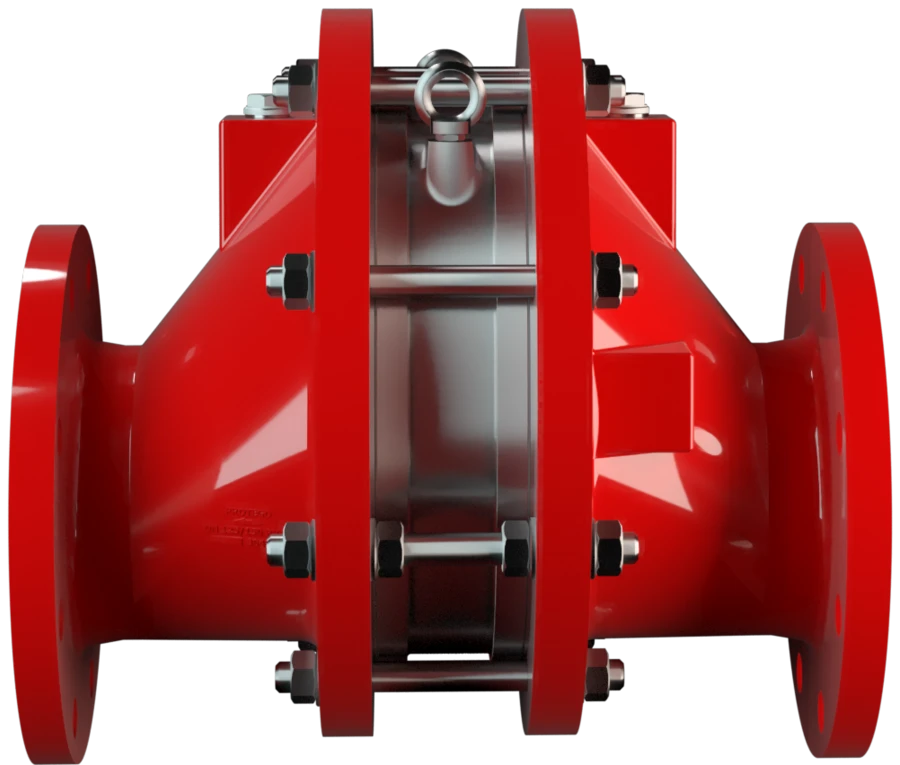
Stopping Deflagrations in Pipelines
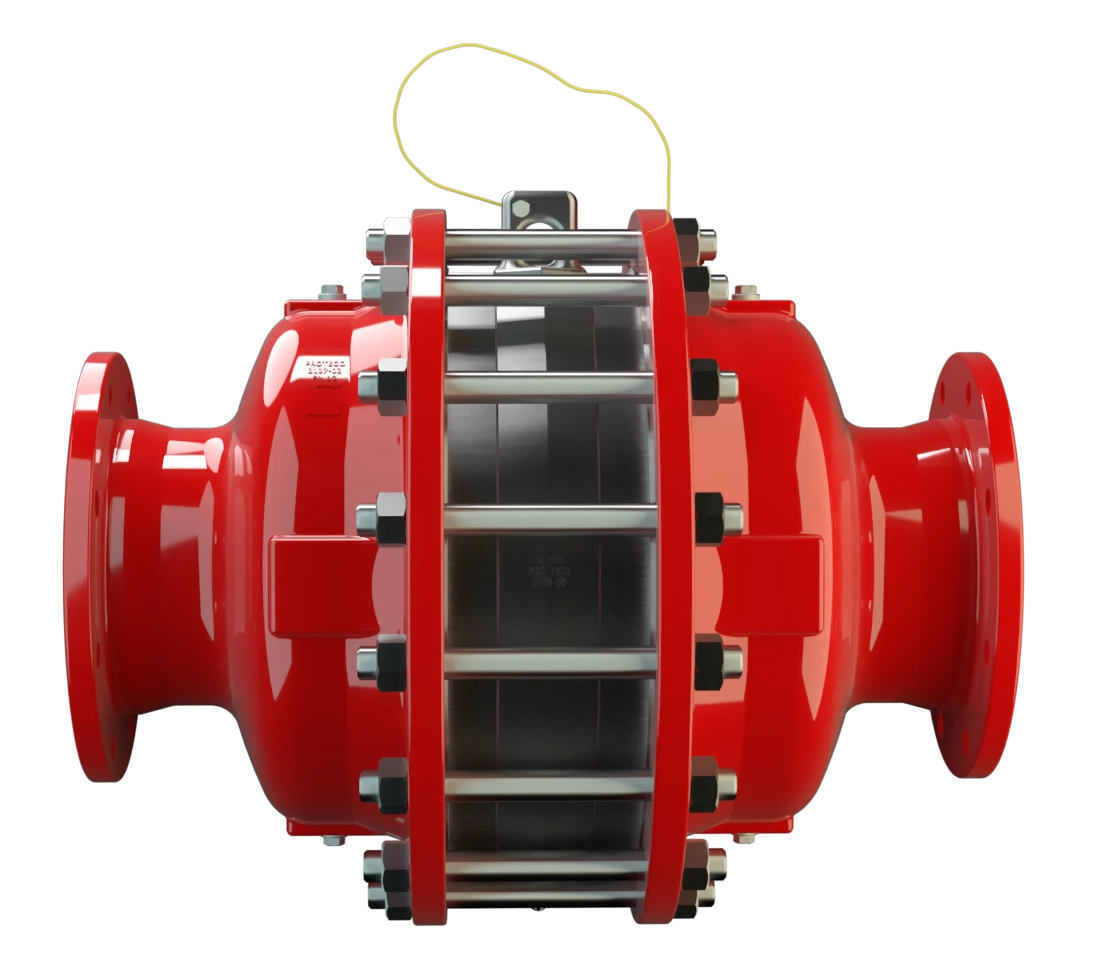
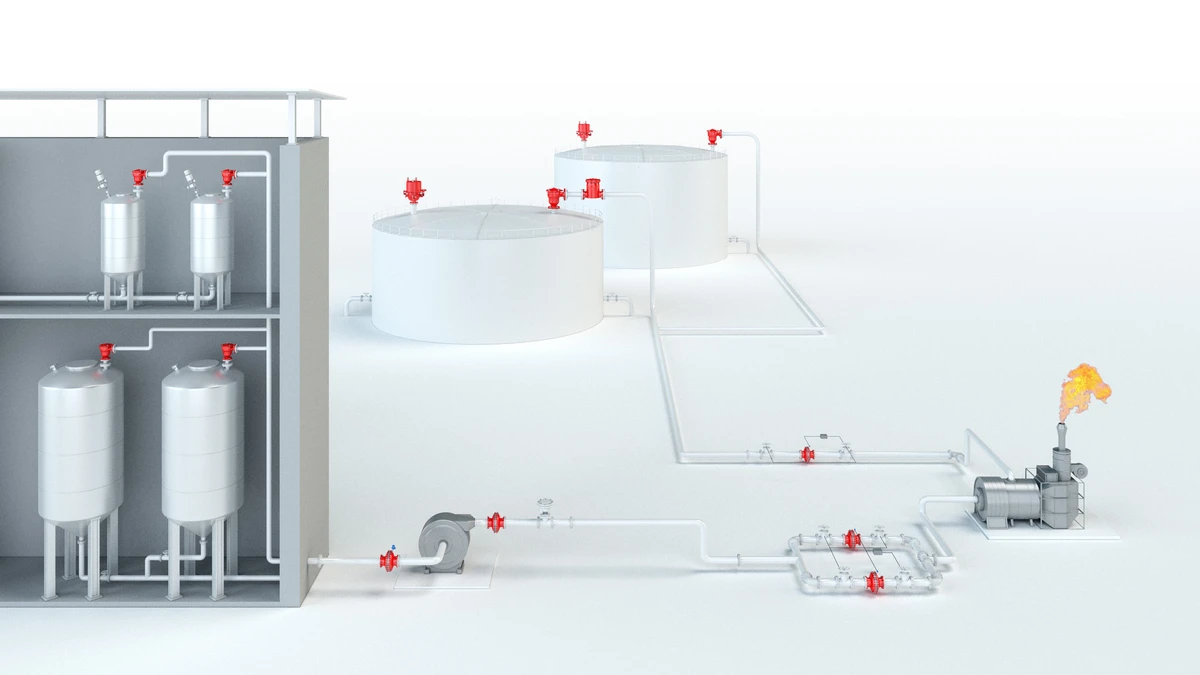
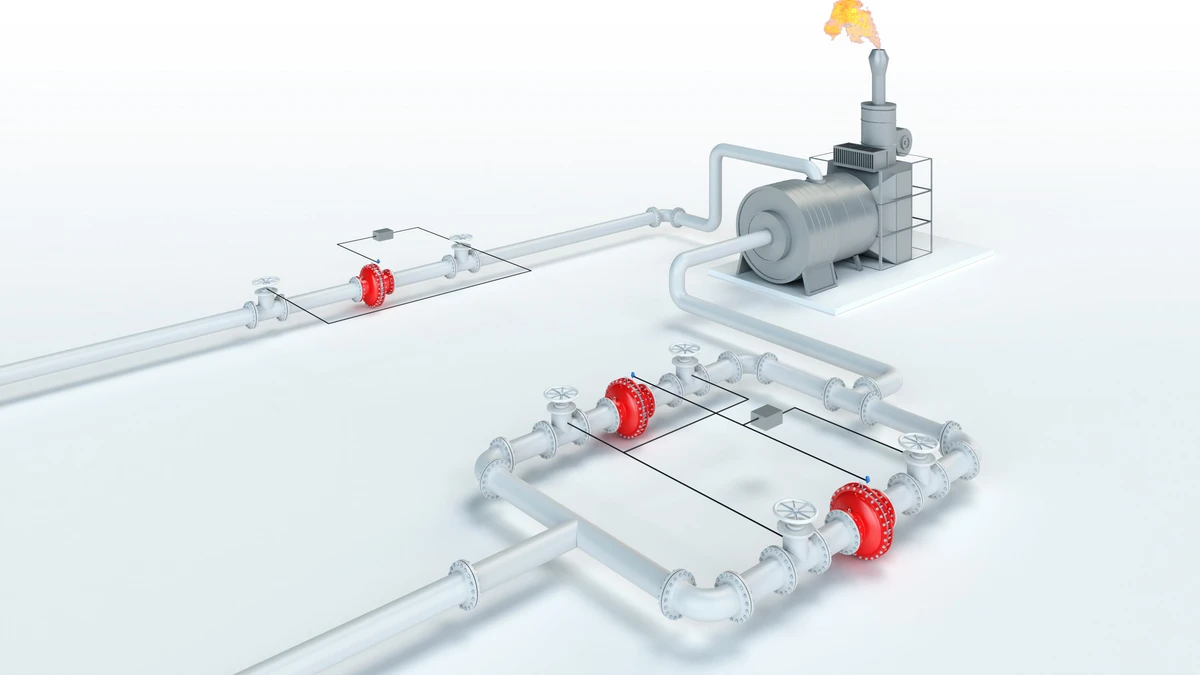
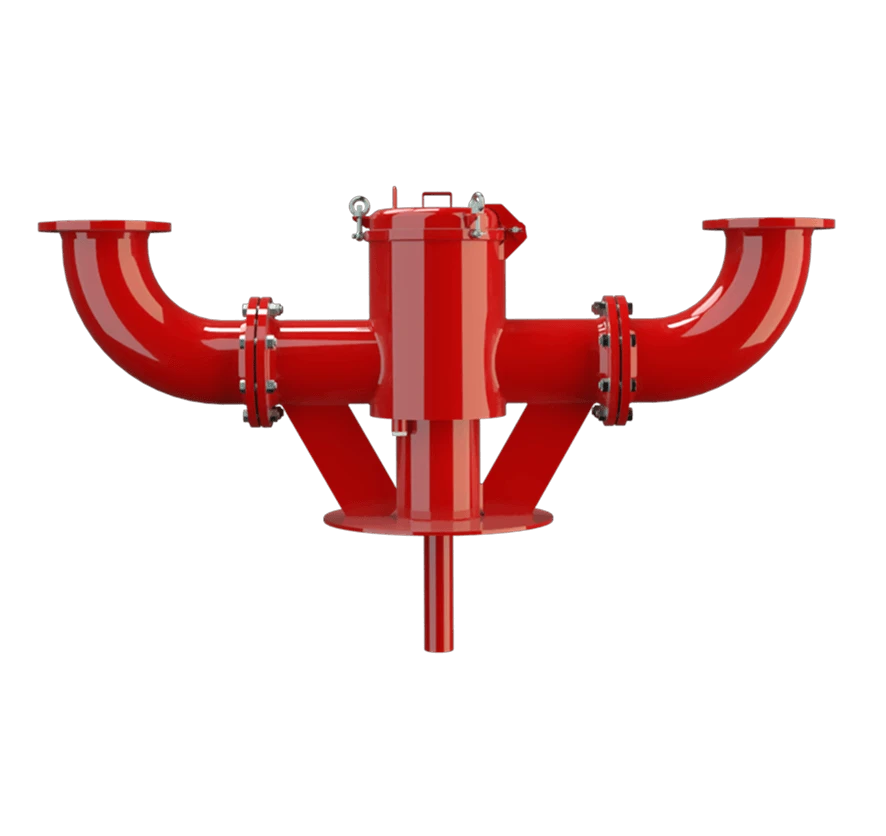
PROTEGO® Deflagration Flame Arresters Deflagrationssicherung Flame arrester designed to prevent the transmission of a deflagration. It can be an end-of-line flame arrester or an in-line flame arrester. are installed in pipelines and on process equipment Geräte Machines, appliances, fixed or mobile devices, control parts and accessories, and warning and prevention systems, whether separate or combined, intended for the generation, transfer, storage, measurement, control, and conversion of energy, and for the processing of materials, which have their own potential source of ignition and may cause an explosion. and suppress deflagrations in systems handling explosive mixtures
They are designed for chemical, petrochemical, pharmaceutical, and other industrial facilities where a flame front in a pipeline cannot be allowed to reach downstream equipment.
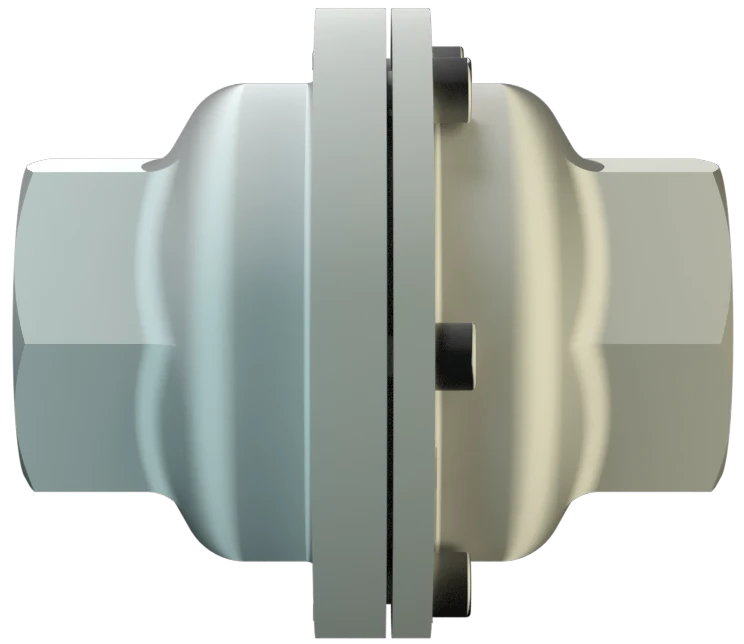
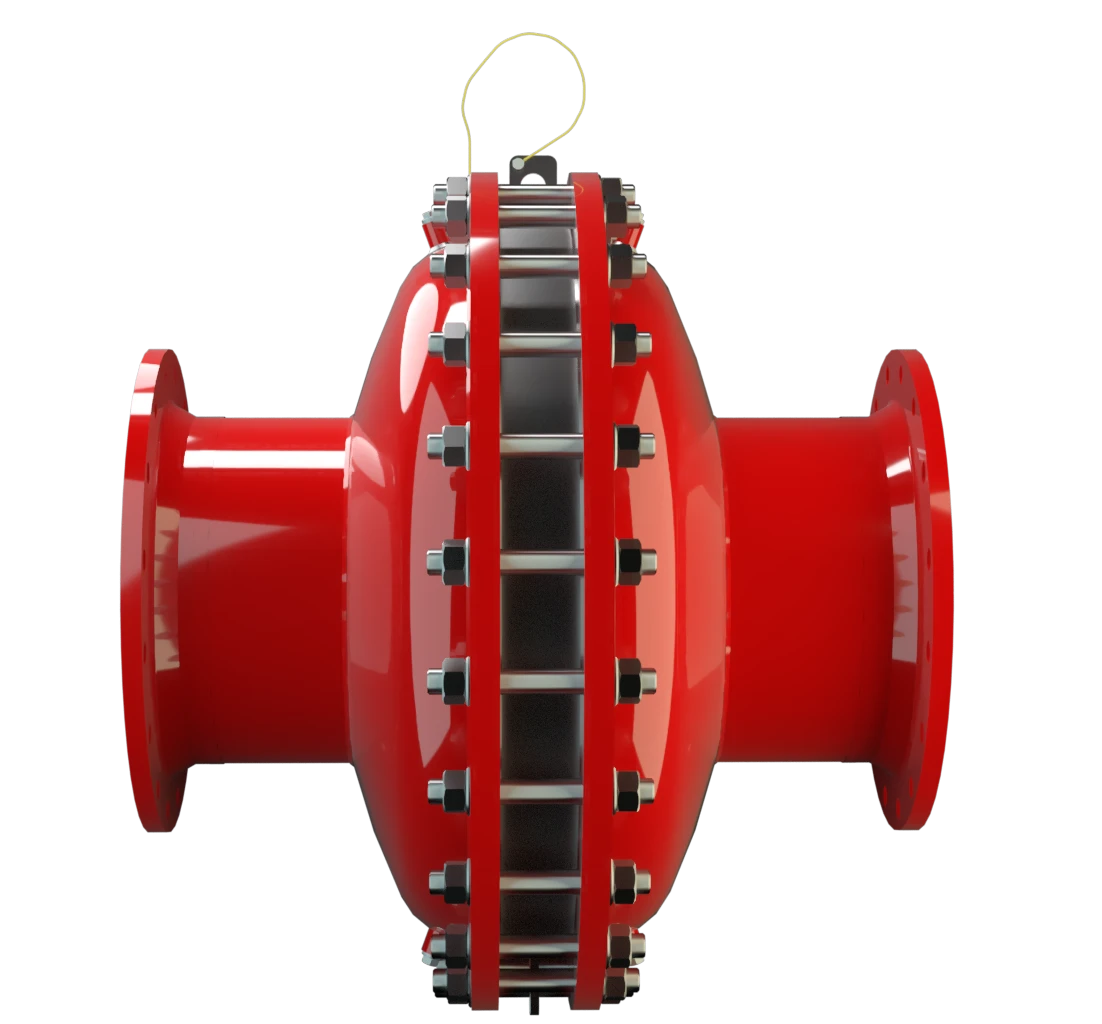
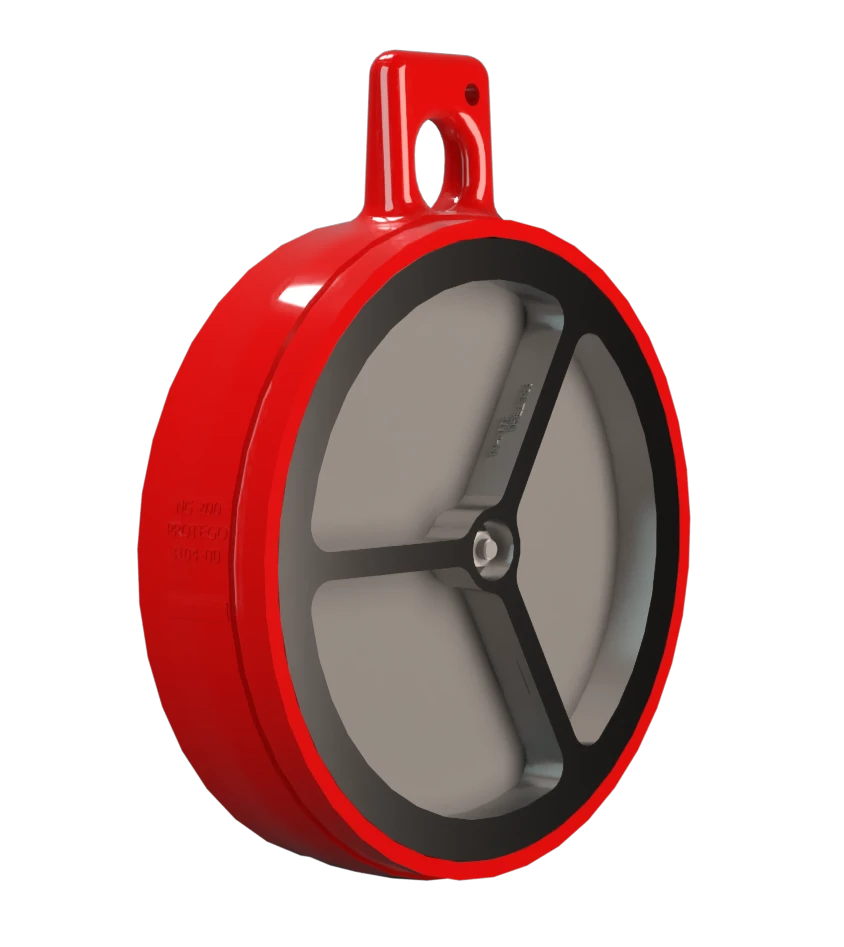
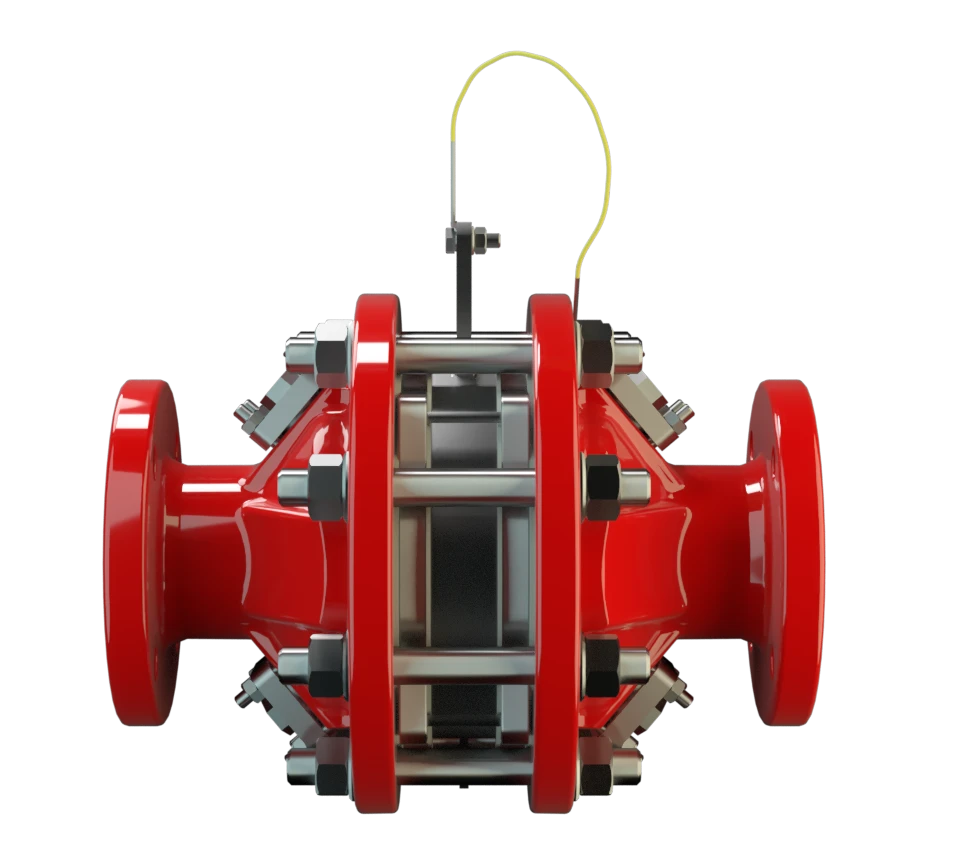
Highlights of PROTEGO® Deflagration Flame Arresters
Aucune explosion
Une disponibilité accrue et émissions réduite
Une fiabilité dans le temps
La conformité réglementaire simplifiée
Product Overview
Deflagration vs. Detonation
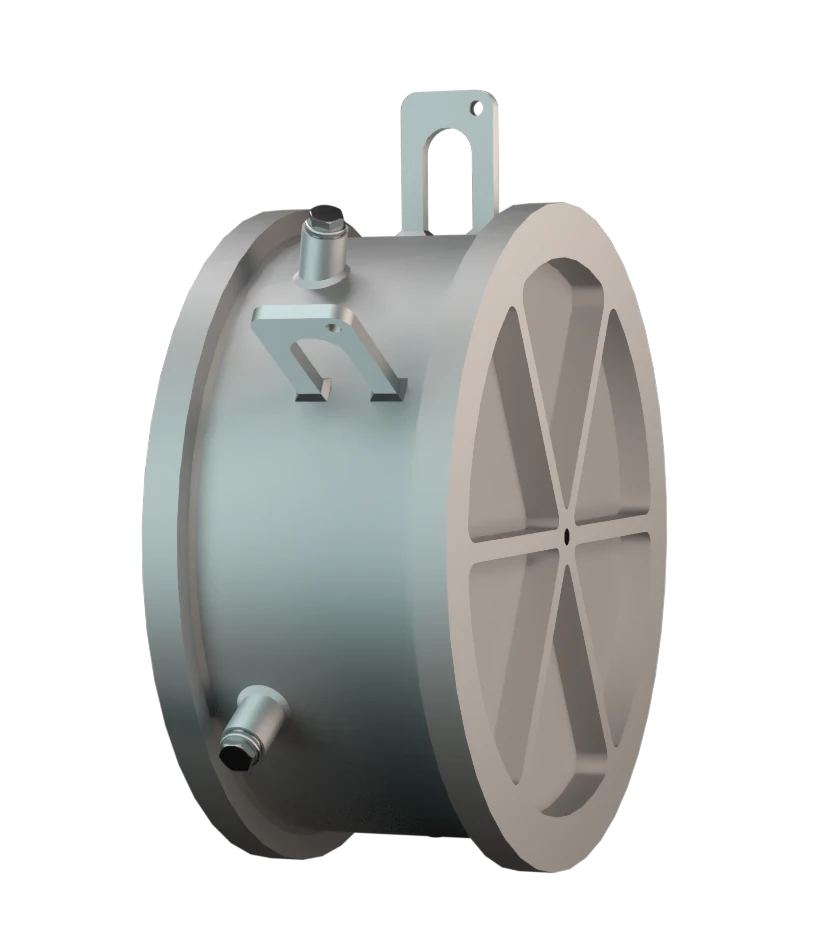
Flame Arrester Unit
Available Options
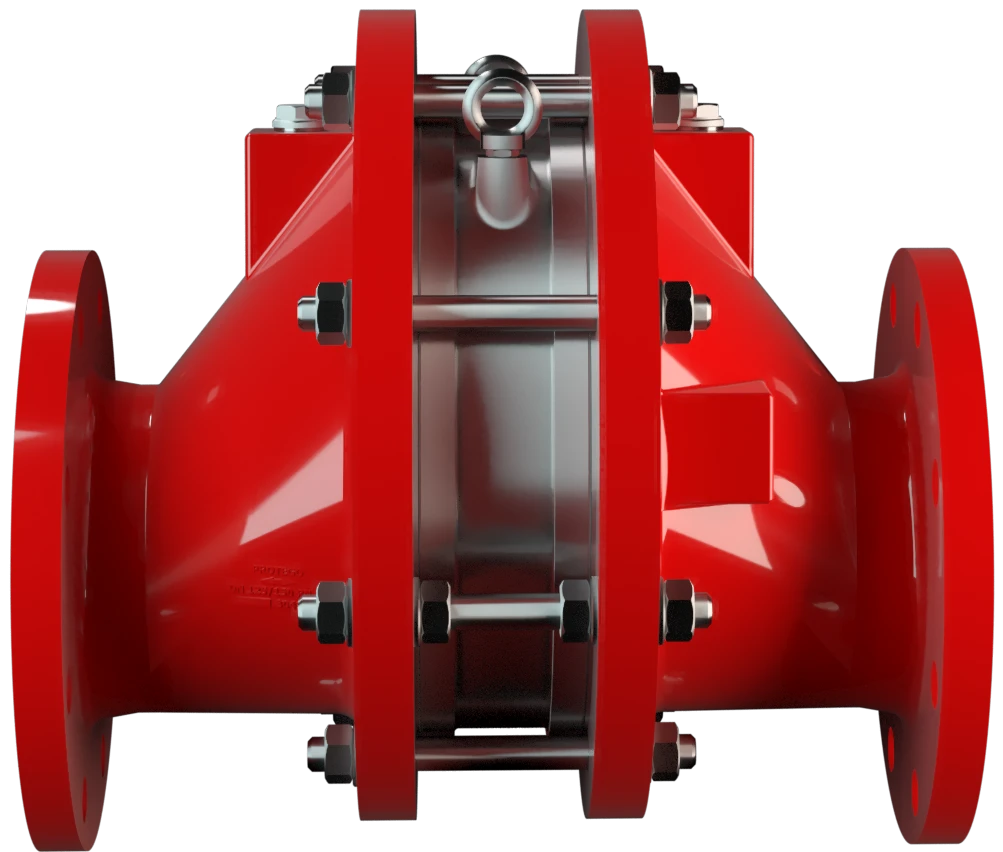
In-line devices
OEM-integrated components
We are highly impressed to see the quality of the products and the knowledge to help us build a state-of-the-art storage terminal. We have always appreciated the timely deliveries of the flame arresters Flame Arresters A flame arrester, deflagration arrester, or flame trap is a device or form of construction that will allow free passage of a gas or gaseous mixture but will interrupt or prevent the passage of flame. and other equipment.
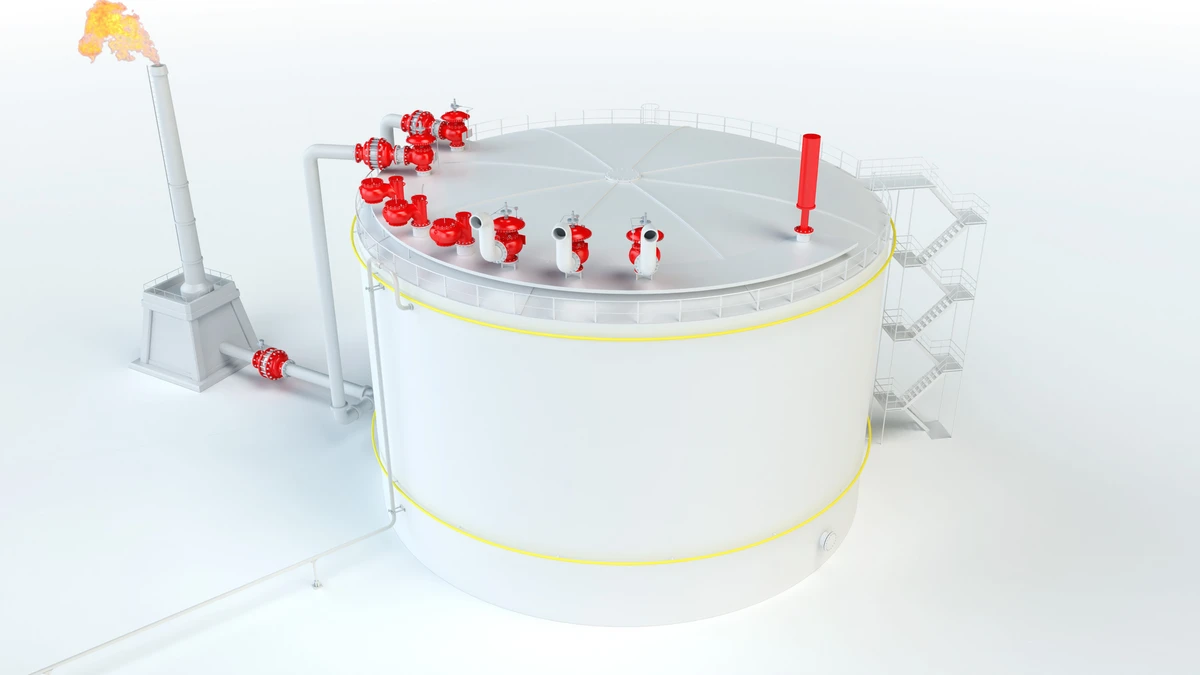
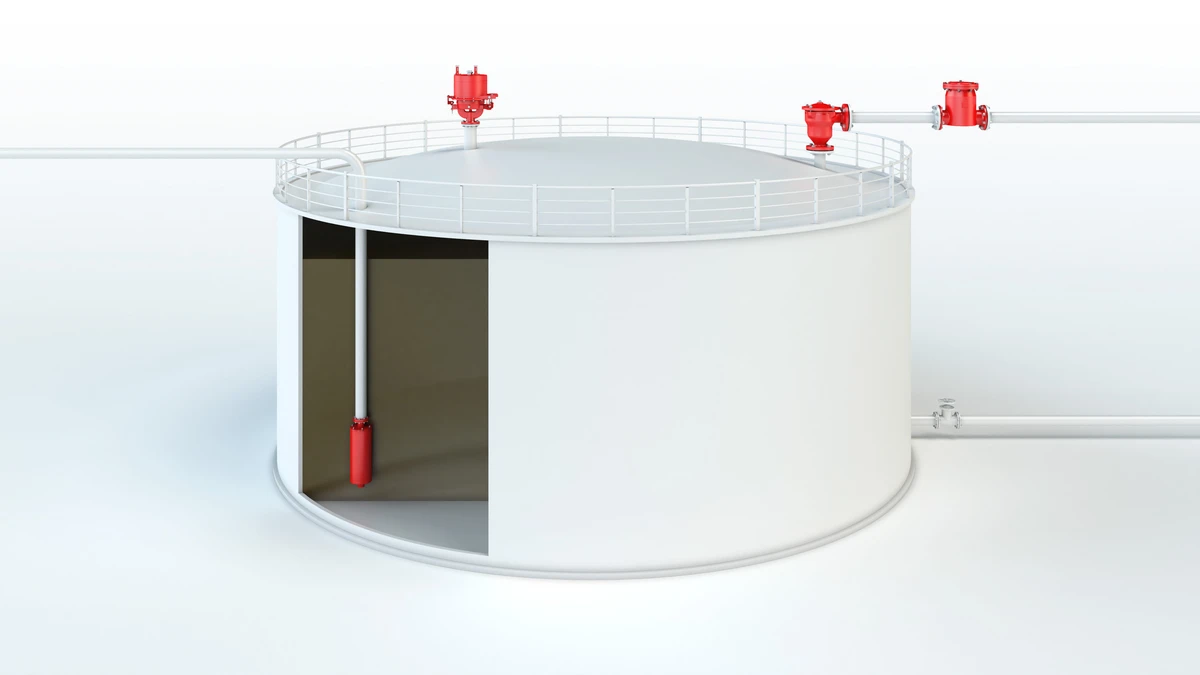
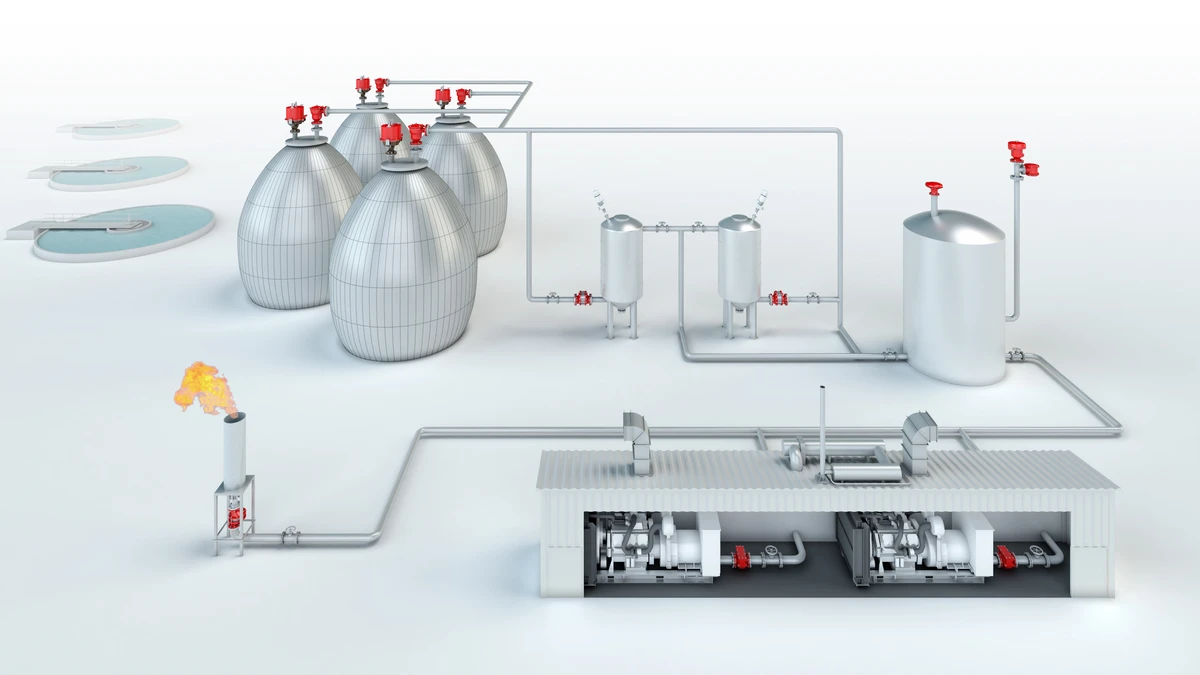
We provide engineered safety solutions.
Since 1954, PROTEGO® has built and provided Flame Arresters Flammendurchschlagsicherung Device fitted to the opening of an enclosure, or to the connecting pipe work of a system of enclosures, and whose intended function is to allow flow but prevent the transmission of a flame. , Pressure and Vacuum Relief Valves and Tank Equipment, now with the help of more than 750 employees worldwide.
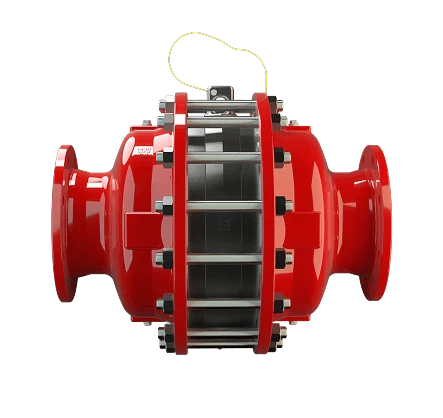
When a flame front enters the arrester, it passes through the FLAMEFILTER® discs. The narrow gaps create a large heat transfer surface, removing energy from the flame faster than combustion can be sustained. The flame is extinguished within the element.
How It Works
Element Design
The design of the element is not fixed. It is selected based on:
Key Features and Design Characteristics
The element can be removed and serviced without replacing the entire unit, reducing maintenance effort and downtime.
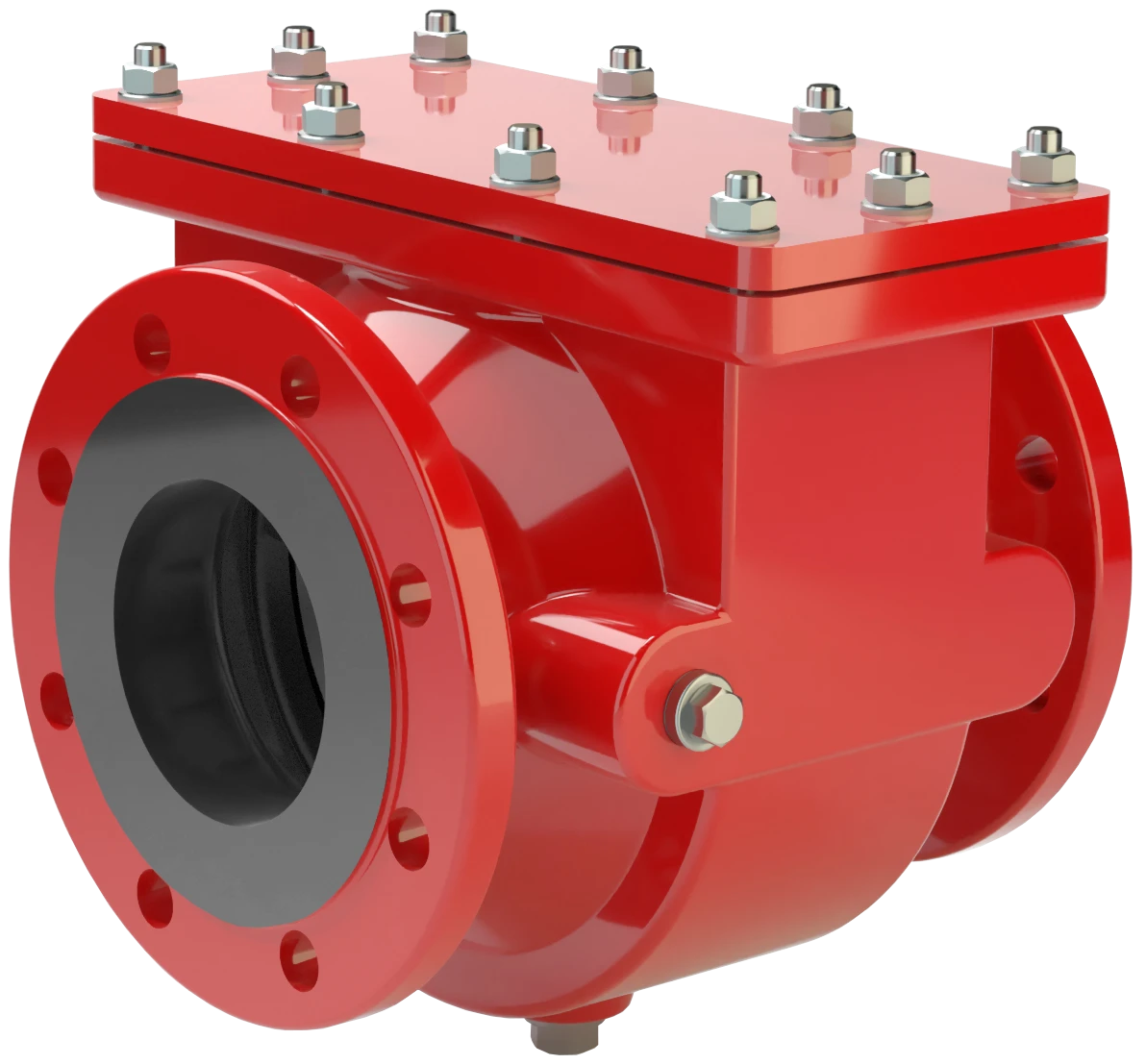
Available in concentric, eccentric, and easy-access designs. Easy-access versions allow maintenance without disconnecting pipework- important in space-constrained or high-uptime environments.
Element gap size is matched to the gas classification (MESG). Correct selection is critical to ensure effective flame arresting.
Options are available depending on whether flow direction is fixed or variable.
Designs are available for substances that may polymerise or crystallise, helping maintain long-term performance.
Heating jackets or coils can be added where condensation or solidification is a risk.
Where standard devices are not suitable, PROTEGO® can design and certify application-specific solutions.
For in-line installations, it is important to understand that protection is time-limited. If an ignitable mixture continues to flow after a flame is stopped, a fire can develop on the arrester itself. For this reason, systems must include:
- Temperature monitoring at the arrester
- A defined response, such as nitrogen purging
OEM-integrated Flame Arresters are tested and approved as part of the equipment assembly and are not used as standalone devices.
Engineering and Compliance
PROTEGO® Deflagration Flame Arresters are type-tested and certified according to ATEX and other international standards. Each device Armatur A device is a pipe component that influences the media flow by opening, closing, or partially shutting off the flow channel or by dividing or mixing the media flow. is supplied with a statement of conformity defining its approved operating conditions.
Additional installation considerations include:
Sizing is based on the relationship between flow rate and pressure drop using the p/V performance diagram.
Sizing is based on the relationship between flow rate and pressure drop using the p/V performance diagram.
Operational Benefits
Validated protection for OEM equipment
Flexibility for complex applications
Lower maintenance impact
Protection of equipment
Get in Touch
Contact our engineers for your individual requirements.
Your current location:
Local