PROTEGO®
Emergency Relief Valves

Reliable tank protection to handle extreme conditions
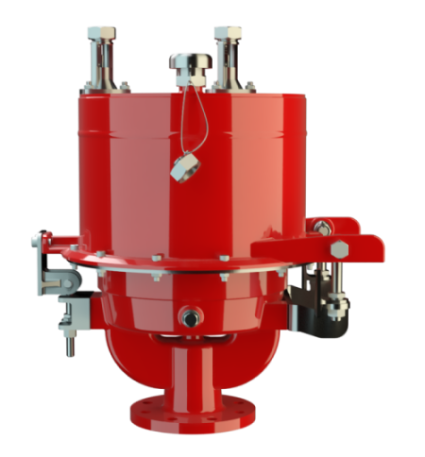
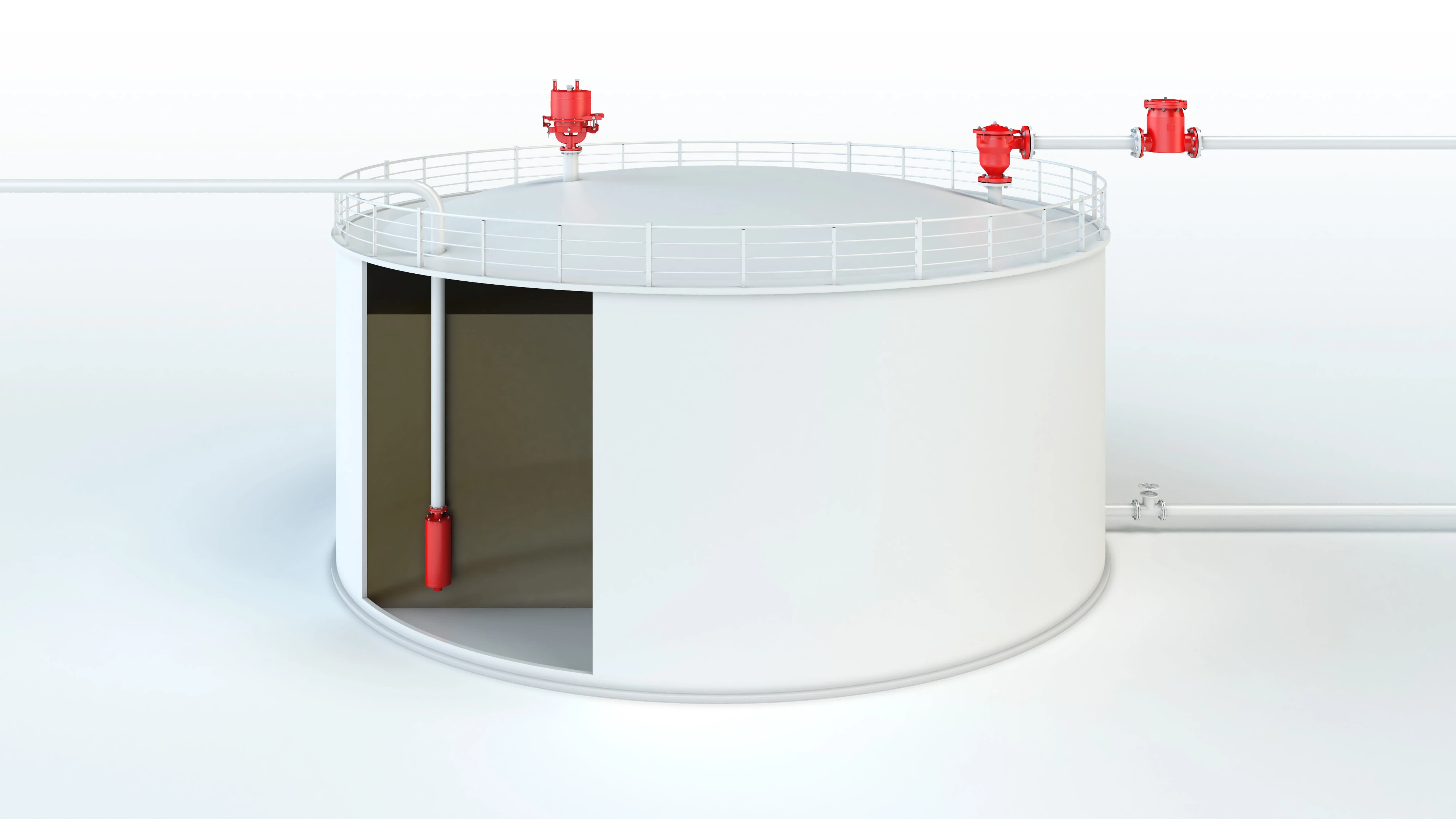
These devices provide additional pressure protection for storage tanks when standard pressure and vacuum Vacuum Vacuum is the pressure in an enclosed space that is lower than the ambient pressure. relief valves cannot handle extreme venting demands. These conditions typically arise during external fire exposure or failure of tank systems, such as blanketing gas supply. Under normal operation, pressure and vacuum relief valves manage tank breathing and process-related pressure changes. Emergency relief valves act as a secondary protection layer. They ensure that large volumes of gas can be released without exceeding the maximum allowable tank design pressure Design pressure Design pressure is the maximum pressure for which the system or component was designed for continuous usage. .
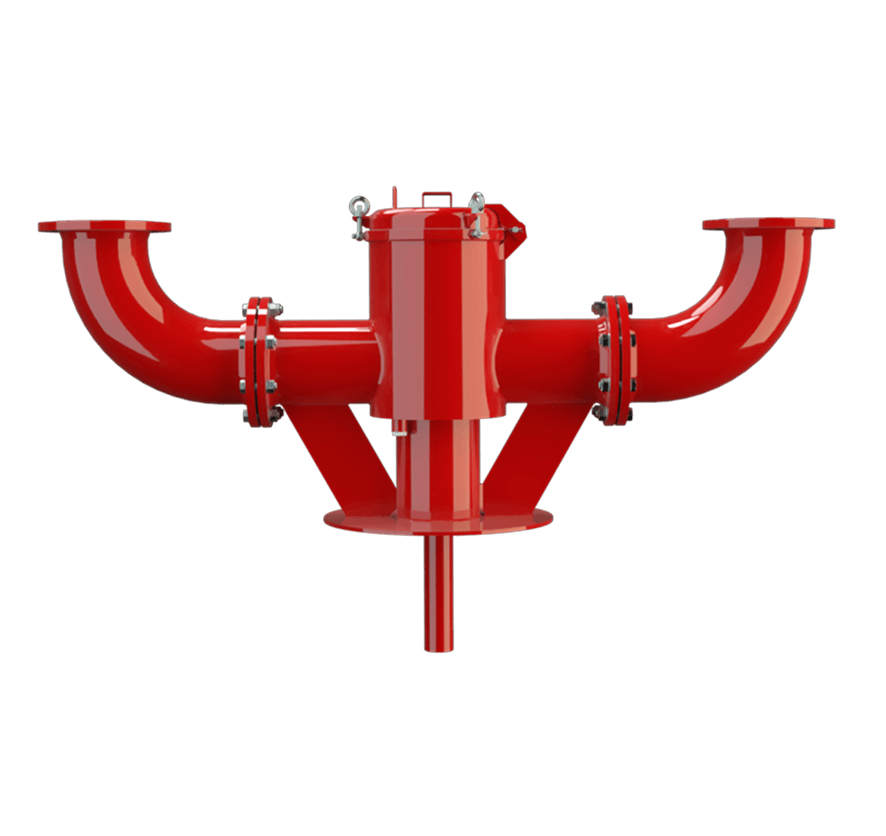
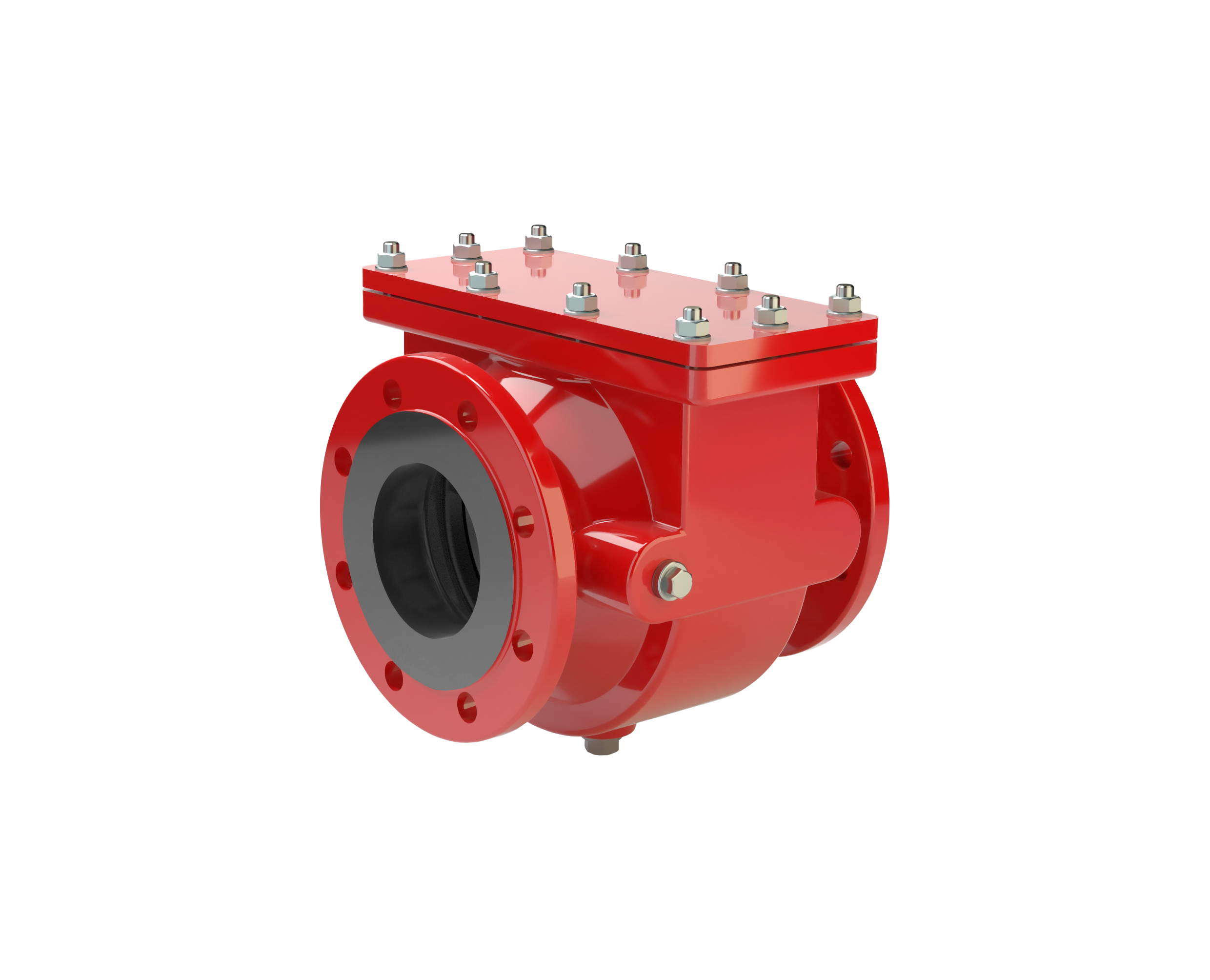
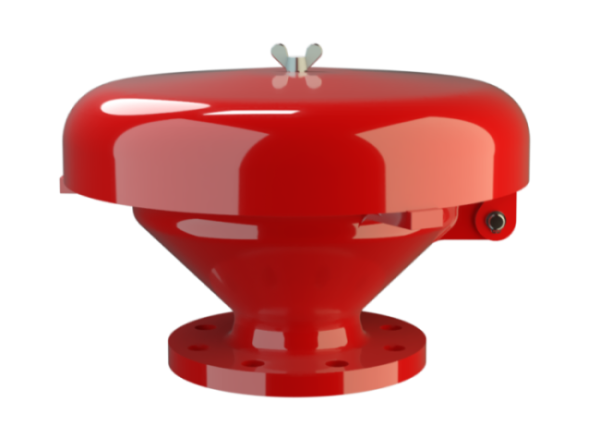
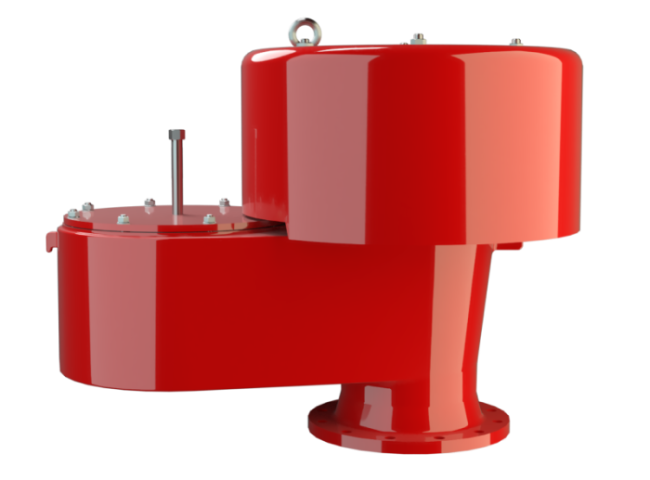
Emergency Pressure Relief Valves are designed to safely release extreme vapour volumes during fire exposure and system malfunctions where standard venting capacity is not sufficient.
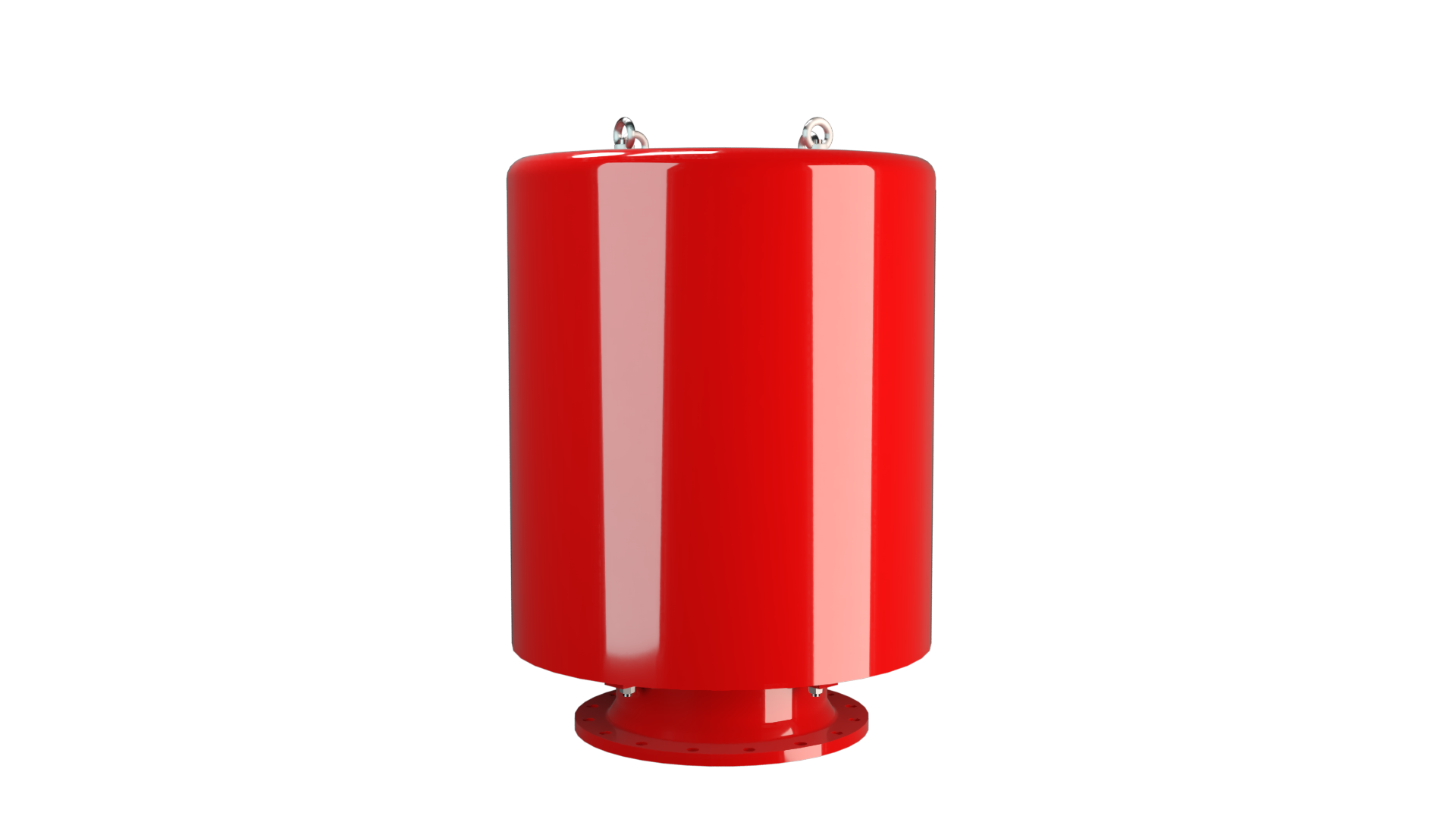
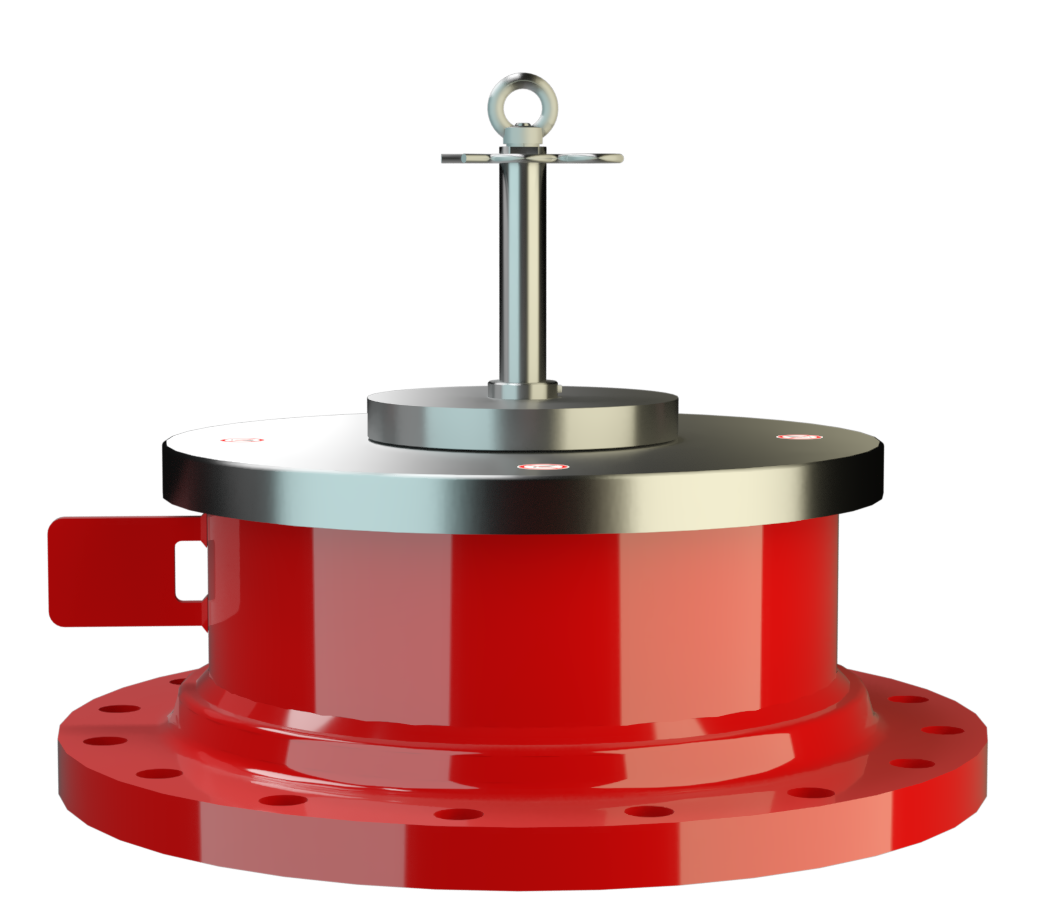
Highlights of PROTEGO® Emergency Relief Valves
10% Technology
Extreme tightness
ZETOP
Lifecycle confidence
Stable operation
Very high flow capacity
How It Works
Emergency Relief Valves remain closed during normal operating conditions. Standard pressure and vacuum relief valves handle routine pressure changes caused by filling, emptying, and thermal effects.
When abnormal conditions occur, such as fire on the outside surface of the tank or failure of a tank blanketing system, the required venting rate increases significantly. The
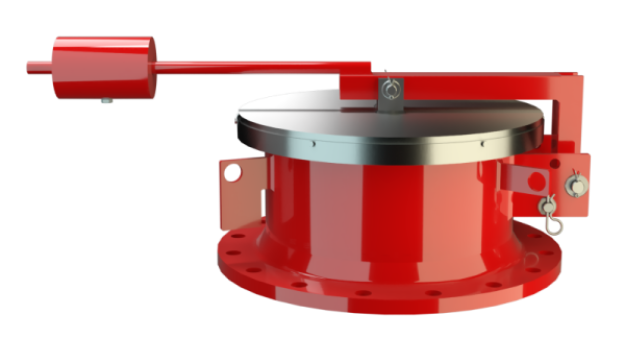
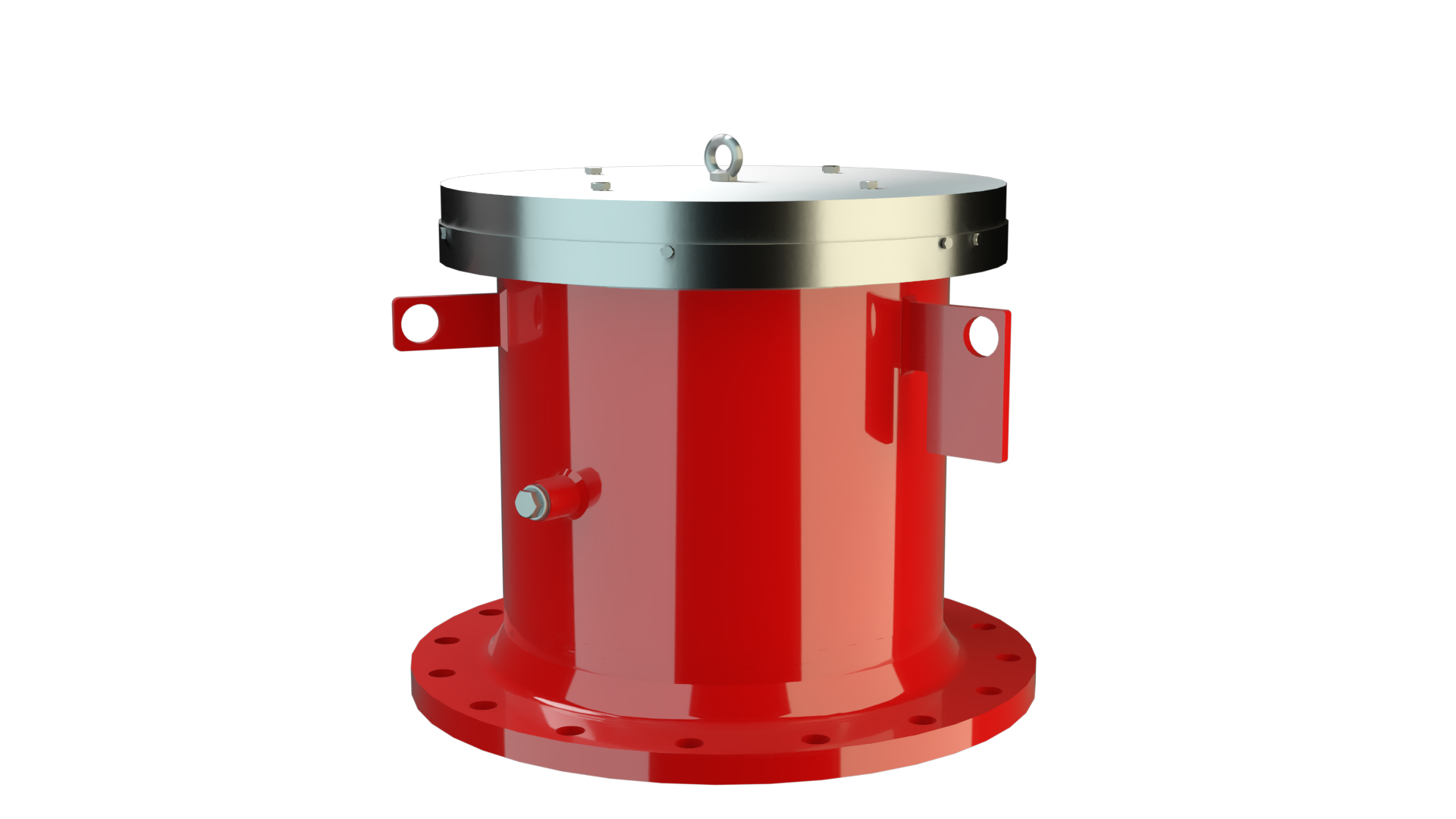
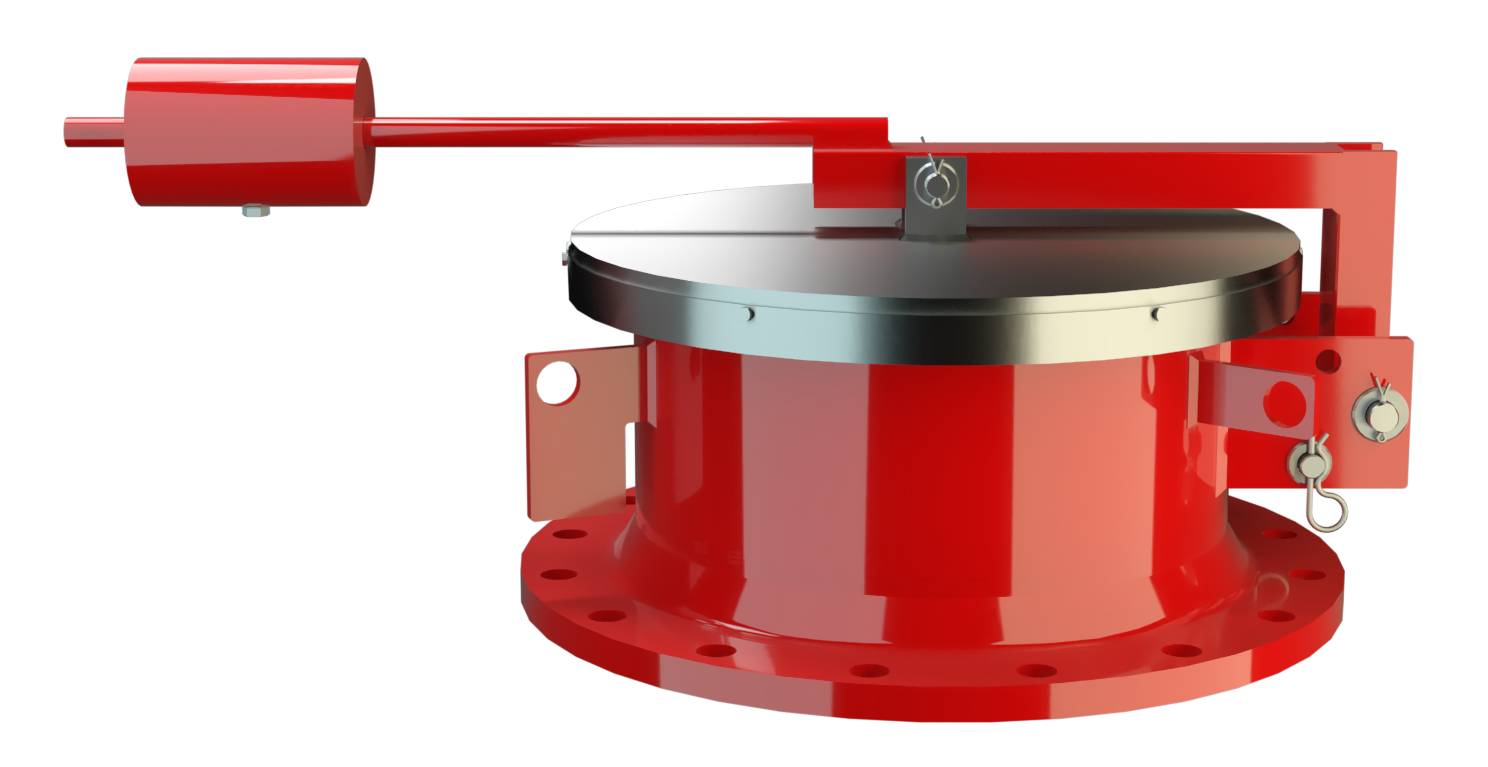
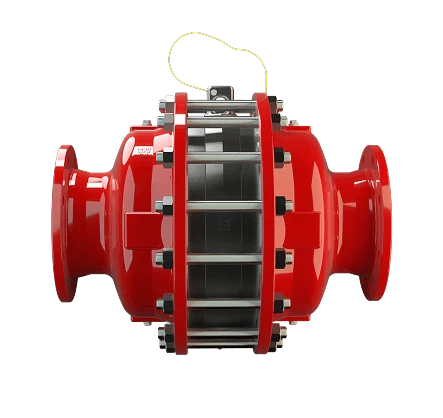
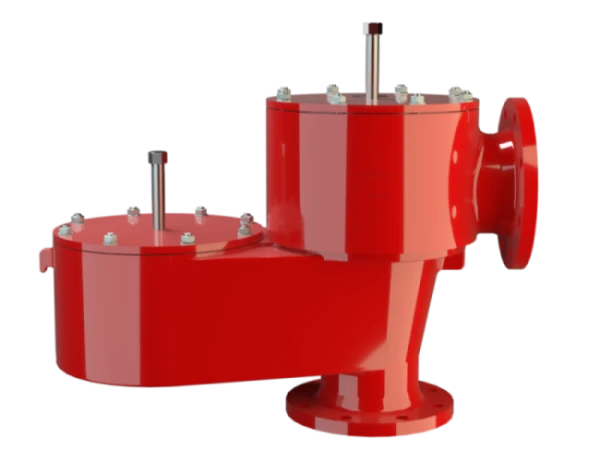
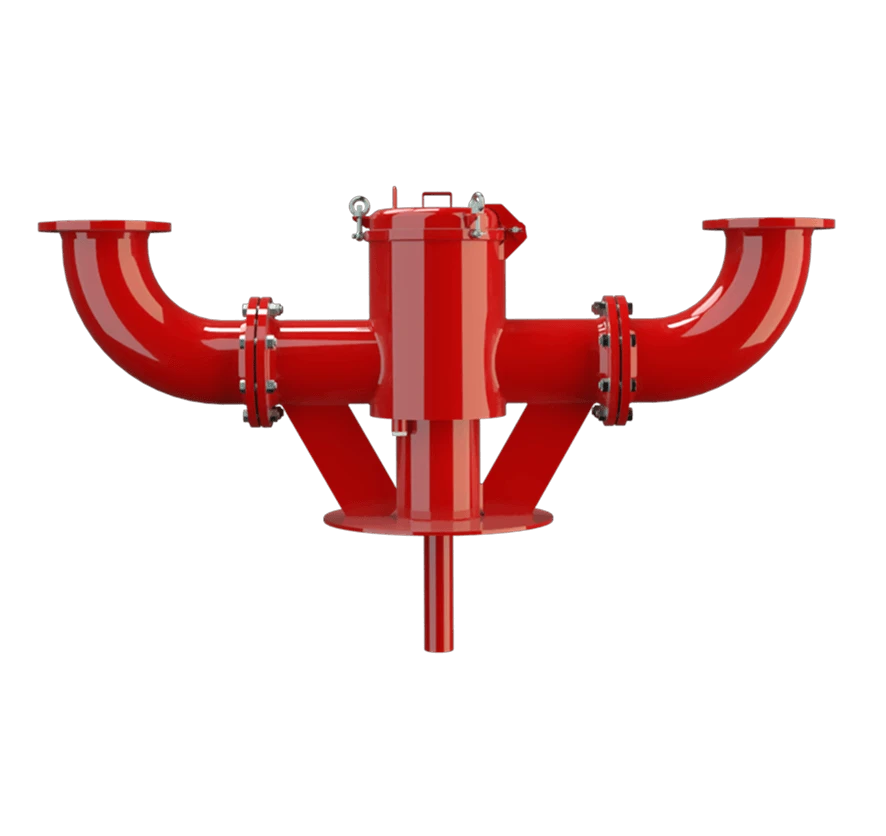
Emergency Relief Valve
Emergency venting valves
Pressure relief valves for emergency venting.
opens to provide additional flow capacity. This allows excess gas to be discharged quickly enough to prevent the internal pressure from exceeding the tank design pressure.
Our measurements confirmed zero vapor leakage after installing PROTEGO® valves. The solution fully met our zero-emission goal.


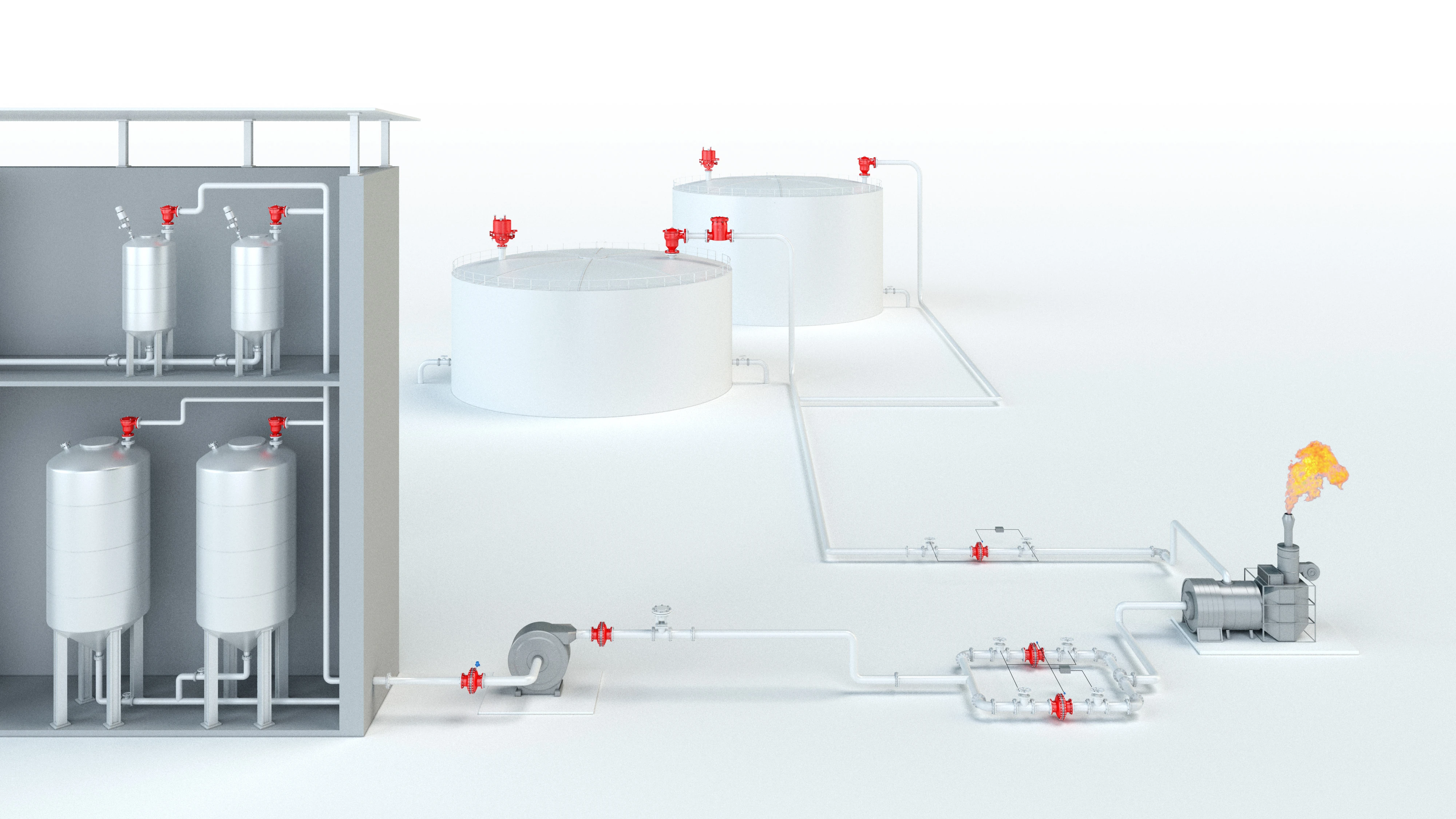
We provide engineered safety solutions.
Since 1954, PROTEGO® has built and provided Flame Arresters Flame arrester Device fitted to the opening of an enclosure, or to the connecting pipe work of a system of enclosures, and whose intended function is to allow flow but prevent the transmission of a flame. , Pressure and Vacuum Relief Valves and Tank Equipment Equipment Machines, appliances, fixed or mobile devices, control parts and accessories, and warning and prevention systems, whether separate or combined, intended for the generation, transfer, storage, measurement, control, and conversion of energy, and for the processing of materials, which have their own potential source of ignition and may cause an explosion. , now with the help of more than 750 employees worldwide.
Key Features and Design Characteristics
The valve reaches full lift Lift Lift is the actual travel of the valve pallet from the main valve out of the closed position. at 10% overpressure Overpressure Overpressure refers to an increase in pressure in a system or vessel above the normal operating pressure. above the set pressure Set pressure Set pressure is the gauge pressure at the device inlet at which the relief device is set to start opening under service conditions. . This allows set pressures to be defined at 10% below the maximum allowable working pressure of the tank. This improves utilization of allowable pressure limits and reduces product Product Includes equipment, protective systems, devices, components and combinations of these. losses.
Emergency Relief Valves are used when extremely high venting rates are required. This includes fire exposure and malfunction Malfunction Devices, protective system, and components do not fulfill their intended function. of tank equipment, such as blanketing gas systems.
The sealing system maintains tightness above normal standards. This minimizes vapor loss and helps maintain system pressure up to the point of opening.
Emergency Relief Valves are especially required when the tank roof is not designed to fail under pressure. This ensures controlled pressure release through engineered systems rather than structural failure.
The valve must be capable of releasing the maximum allowable flow generated under emergency conditions. This ensures that tank pressure Tank pressure Tank pressure is the pressure within a tank. remains within design limits even during severe events.
Emergency Relief Valves form part of the overall pressure protection system. They work alongside vent valves to maintain safe operating pressure Operating pressure Operating pressure is the pressure existing at normal operating conditions within the system being protected. under all conditions.
Operational Benefits
Large volumes
Excellent tightness
System Integrity
Lower maintenance impact
Get in Touch
Contact our engineers for your individual requirements.
Your current location:
Local