Features
For Cyrogen Tanks
Suitable for Use on Cryogen Tanks
Metallic Sealing Surfaces
Extremely High Tightness due to Metallic Sealing Surfaces
Chemical and Pharmaceutical Industries
On Tanks in Process Plant in the Chemcial, Petrochemical and Pharmaceutical Industries
Functional Saftey and Performance Values
The Valves Are Characterized by High Functional Reliability and Excellent Performance Values
Quick Replacement
Quick Replacement of Elements That Affect Functionality
Valves and Saftey Devices
Used together with Valves or other Saftey Devices (e. g. PROTEGO® Flame Arrester)
Function and Description
Segurança Operacional de Sistemas de Instalações Protegidos
As
Pressure/vacuum relief valve
Pressure/vacuum relief valve is an umbrella term that includes pressure or vacuum relief valve as well as pressure and vacuum relief valve.
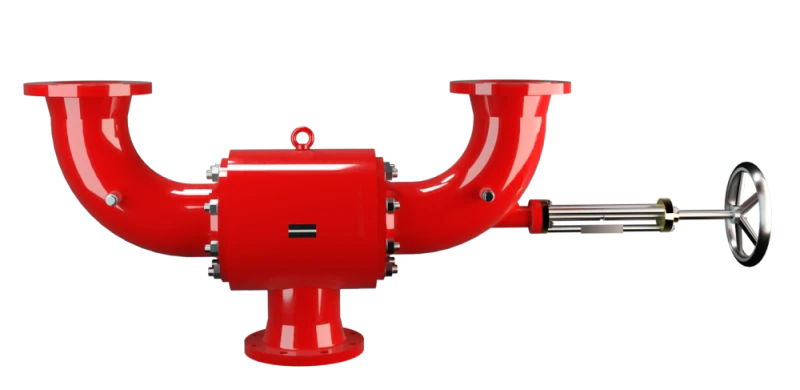
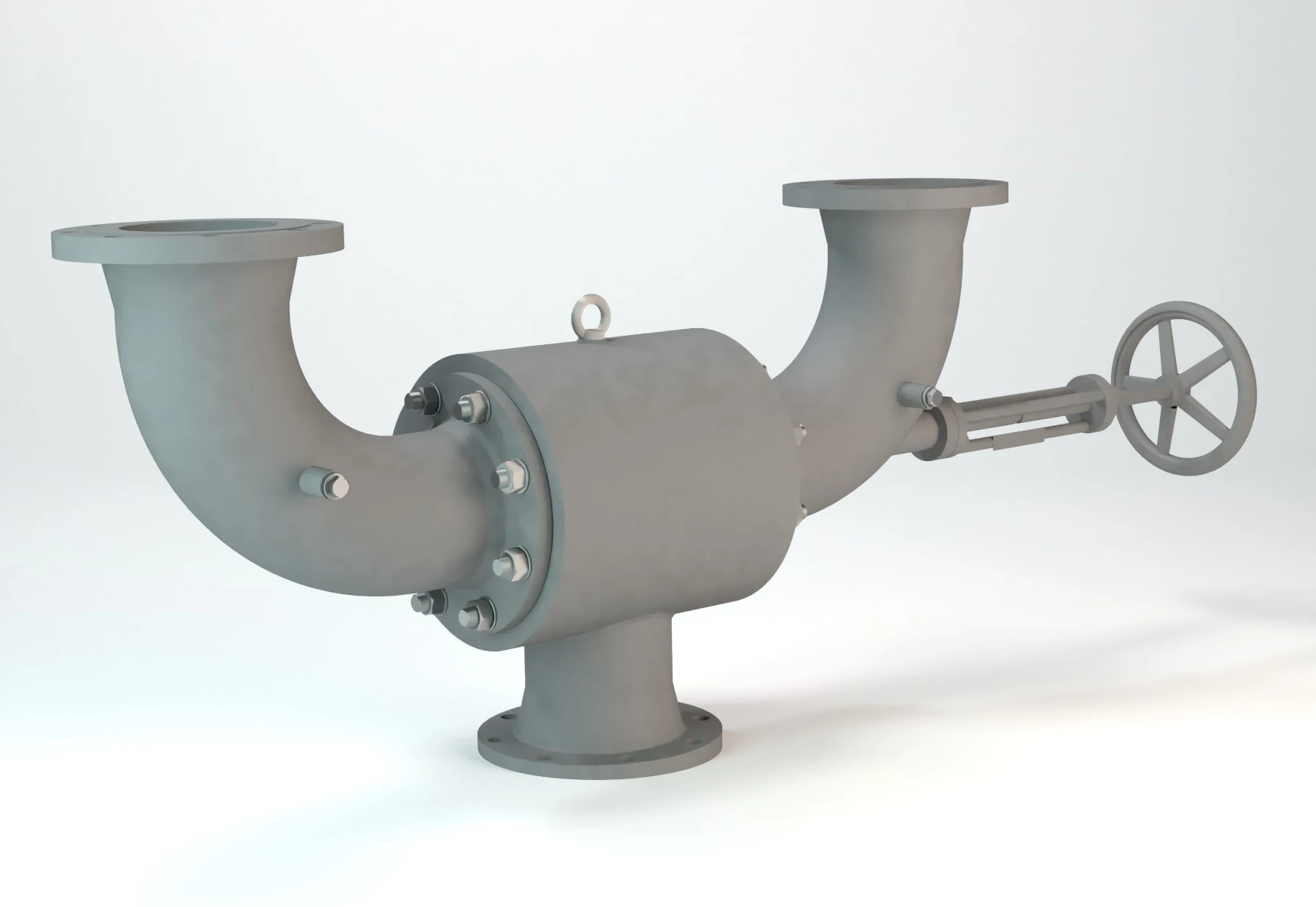
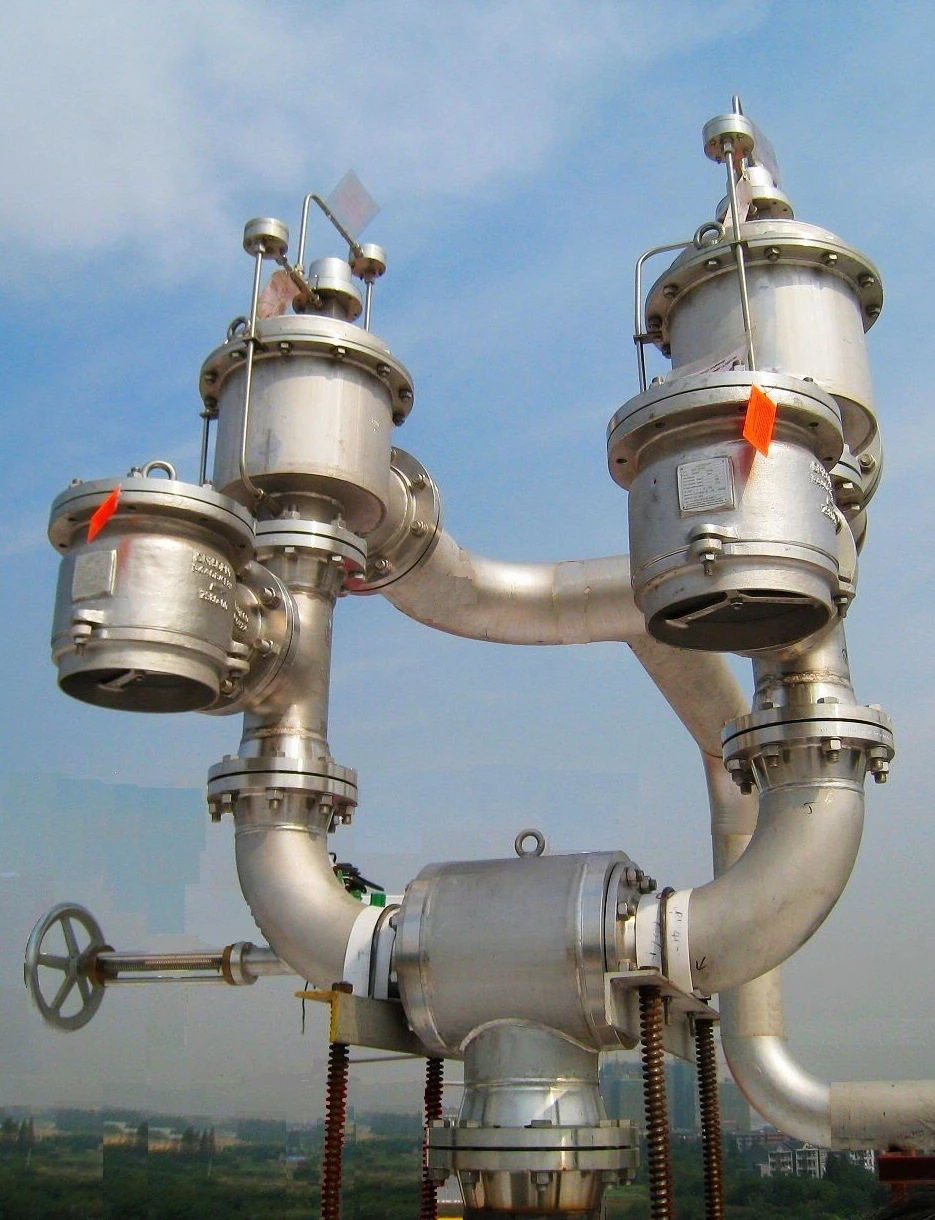
válvulas de troca PROTEGO® tipo WV/T são usadas principalmente junto com outras válvulas ou dispositivos de segurança (p.ex. Corta-Chamas PROTEGO®) em tanques de armazenamento criogênicos e em tanques em plantas de processamentoo de indústrias químicas, petroquímicas e farmacêuticas. Elas aumentam a segurança de operação do equipamento técnico a ser protegido porque cada válvula ou dispositivo de segurança pode ser verificado, mantido ou reparado sem qualquer interrupção do serviço.
Garantia de Desempenho Mesmo com Grandes Diferenças de Temperatura
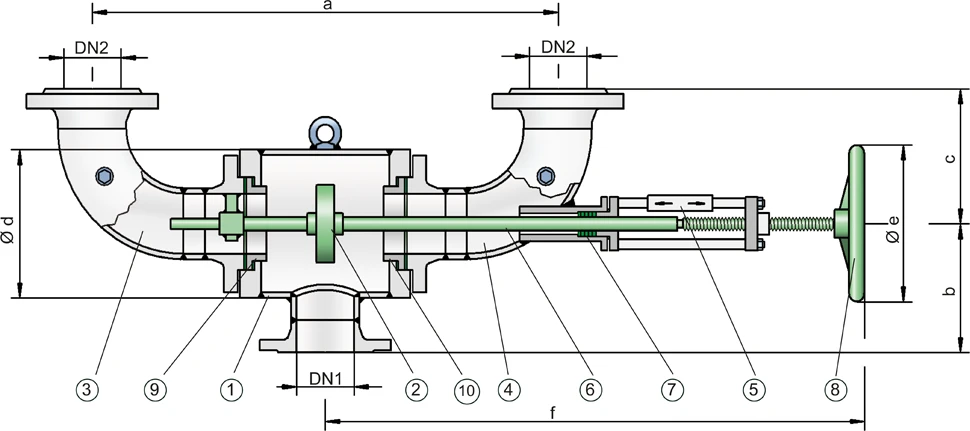
As válvulas consistem principalmente no corpo (1) com conexões de flange DN 1 e duas curvas de conexão lateral (3, 4) com conexões de flange DN 2 e do obturador da válvula (2). Se necessário, é possível deslocar e virar as curvas de conexão. As sedes da válvula (9, 10) são substituíveis. O obturador da válvula com superfície de vedação metálica é móvel na haste da válvula (6). Isto garante um bom ajuste das sedes da válvula, mesmo com grandes diferenças de temperatura. A vedação entre o obturador da válvula e a haste da válvula é provida de um
O-ring
O-ring
O-rings are ring-shaped gaskets with a round, o-shaped cross section
. A haste da válvula é guiada através de buchas; externamente ela é vedada por uma gaxeta reajustável (7).
Posição de Operação Flexível com Válvula de Comutação
A válvula de troca permite que o operador bloqueie uma válvula ou dispositivo de segurança por vez, acionando o volante manual (8). Na operação normal o obturador da válvula está na posição central e o gás/líquido flui através das duas curvas de conexão. Ao girar o volante até o encosto, uma das curvas de conexão (3 ou 4) é bloqueada enquanto a outra permanece aberta. A posição efetiva do obturador da válvula pode ser identificada pelo indicador de posição (5) exibido na haste da válvula.
Dependendo dos requisitos, a válvula de troca na operação normal pode estar na posição central ou final: Posição central, p.ex. quando é necessária uma alta capacidade de alívio através das válvulas de alívio de emergência operadas em paralelo, ou final, p.ex. em caso de corta-chamas que, operados em paralelo, podem ser usados ou limpos alternadamente conforme necessário.
Alta Confiabilidade Operacional e Excelente Desempenho
Devido a sua construção e materiais adequadamente selecionados, as válvulas se distinguem pela sua elevada segurança funcional e suas vazões excepcionais. Todos os elementos que afetam o funcionamento são feitos de aço inoxidável.
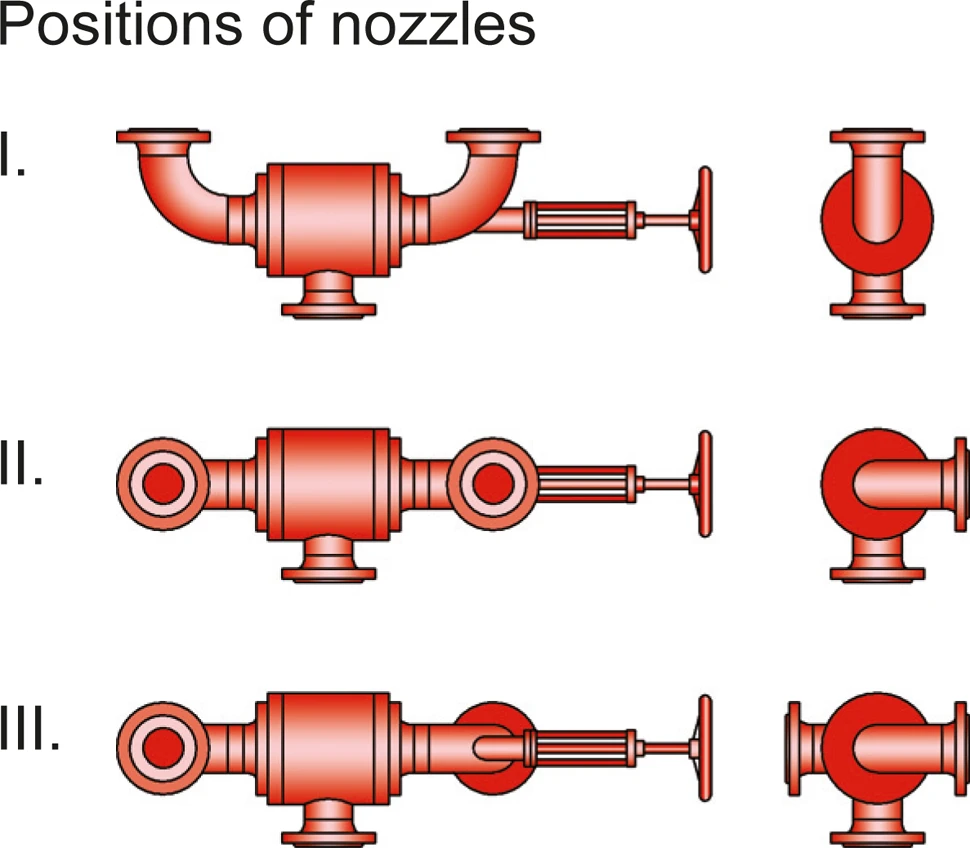
Em função das posições variáveis de bocais, o construção das válvulas de troca PROTEGO® WV/T facilita a conexão de válvulas ou outros dispositivos de segurança, tanto na conexão angular como na conexão reta sem adaptadores adicionais.
Uso em Áreas com Risco de Explosão
As válvulas de troca do tipo WV/T destacam-se por sua construção, fácil manuseio, a opção de rápida substituição de componentes que afetam o funcionamento e, consequentemente, por sua excelente disponibilidade e confiabilidade operacional. As superfícies de vedação metálicas apidadas garantem um elevado grau de estanqueidade, mesmo em faixas de baixa temperatura.
Estas válvulas não são à prova de irrupção de chamas e não se referem à Diretriz Europeia de Proteção contra Explosão 94/9/CE, mesmo se instaladas em atmosferas explosivas. Uma análise de risco (que considera a escolha do material e a função do dispositivo) mostra que o dispositivo não possui quaisquer fontes potenciais de ignição.
Product Data
Tabela de dimensões
| DN1 | 80 / 3" | 100 / 4" | 150 / 6" | 200 / 8" | 200 / 8“ | 250 / 10" | 300 / 12“ |
| DN2 | 80 / 3" | 100 / 4" | 150 / 6" | 150 / 6" | 200 / 8“ | 250 / 10" | 300 / 12“ |
| a | 780 | 780 | 960 | 960 | 1130 | 1450 | 1650 |
| b | 250 | 250 | 310 | 310 | 330 | 360 | 415 |
| c* | 303 | 205 | 285 | 285 | 367 | 450 | 525 |
| c** | 323 | 230 | 317 | 317 | 407 | 483 | 571 |
| d | 273 | 273 | 324 | 324 | 355 | 457 | 500 |
| e | 250 | 250 | 250 | 250 | 400 | 400 | 500 |
| f | 905 | 905 | 1070 | 1070 | 1180 | 1515 | 1655 |
| fmín | 810 | 810 | 950 | 950 | 1170 | 1360 | 1470 |
| fmáx | 995 | 995 | 1190 | 1190 | 1310 | 1695 | 2015 |
Dimensões em mm
* para flanges de conexão DIN PN16 resp. de DN 200 DIN PN 10
** para flanges de conexão ANSI 150 lbs
Seleção do material
| Configuração | A | B |
| Corpo e curvas de conexão | Aço | Aço inoxidável |
| Obturador da válvula | Hastelloy | Hastelloy |
| Vedação | PTFE | PTFE |
| Vedação da haste | FPM | FPM |
| Volante manual | Aço | Aço |
O material do flange de conexão deve ser compatível com o material do componente da instalação. Estão disponíveis modelos especiais de válvulas de troca para requisitos específicos.
Tipo de conexão flangeada
| EN 1092-1, forma B1 ou DIN 2501, forma C, PN 16; a partir de DN 200 PN 10 | EN ou DIN |
| ASME B16.5 CL 150 R.F. | ASME |
Outros tipos mediante solicitação
Applications
Se você tiver alguma dúvida, comentário ou sugestão, nossa equipe de especialistas terá prazer em ajudá-lo.