FA-G-IIA1-P2.2

In-Line Deflagration Flame Arresterfor biogas, sewage gas and landfi ll gas, concentric design, bidirectional, endurance burning proof (under atmospheric conditions)
Features

Modular Design
allows replacement and cleaning of single FLAMEFILTER®
Fastest Disassembly and Assembly
of single FLAMEFILTER®
Pipe Thread Connection
Bi-Directional Flame Transmission
proof design
Provides Safety
Spare Parts
cost-effective flame arrester / spare parts
Function and Description

Protection of Fuel Supply Lines

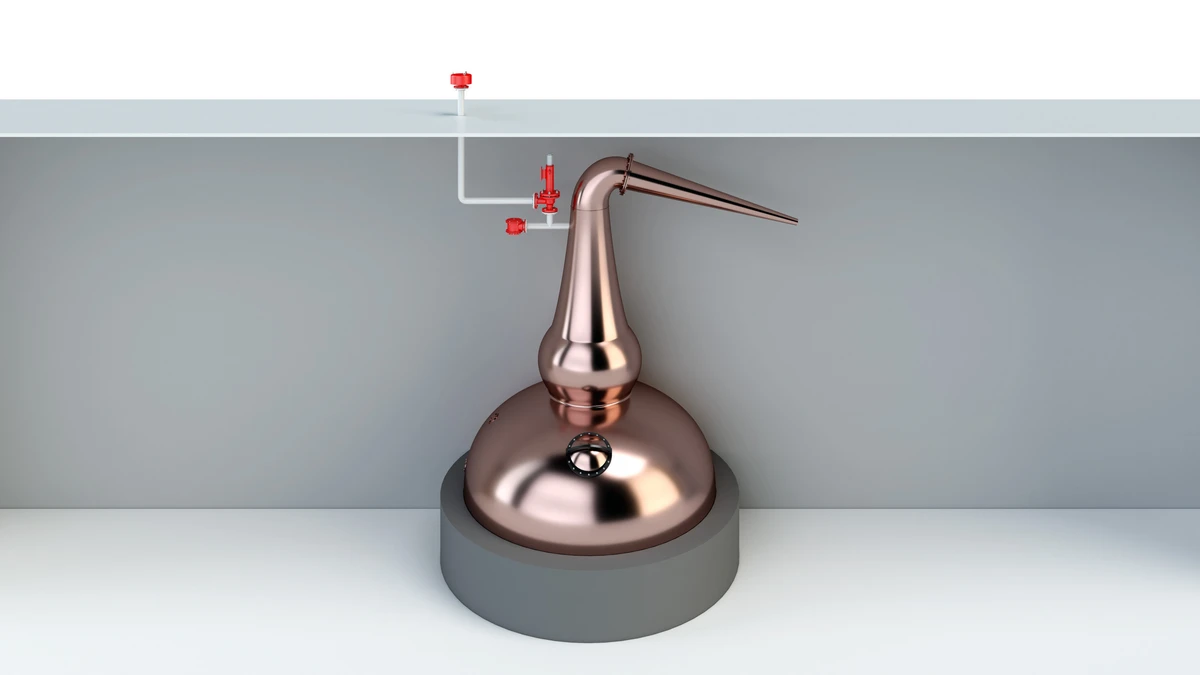
The PROTEGO® FA-G-IIA1-P2.2 in-line deflagration flame arrester In-line deflagration flame arrester A deflagration flame arrester is designed to prevent the transmission of a deflagration. An in-line deflagration flame arrester is equipped with a pipe connection on both sides. was specially developed for bio-, sewage- and landfill-gas applications. The compact design of the PROTEGO® FA-G makes it the state of the art technology for installation in pipes with diameters of ½” up to 2”. The devices are installed with minimal distance to the burner to prevent flashback Flashback Phenomenon occurring in a flammable mixture of air and gas when the local velocity of the combustible mixture becomes less than the flame velocity, causing the flame to travel back to the point of mixture. in to the fuel feed lines. When installing the deflagration Deflagration Explosion propagating at subsonic velocity (EN 1127-1:1997). flame arrester, make sure that the distance between potential ignition sources and the location of the installed device Device A device is a pipe component that influences the media flow by opening, closing, or partially shutting off the flow channel or by dividing or mixing the media flow. , does not exceed the L/D ratio (pipe length/pipe diameter), for which the device was approved. As per EN ISO 16852 the L/D ratio is limited to (L/D) max ≤ 50 for deflagration flame arresters Deflagration flame arrester Flame arrester designed to prevent the transmission of a deflagration. It can be an end-of-line flame arrester or an in-line flame arrester. of explosion group IIA1.

For Explosion group IIA1 - Methan

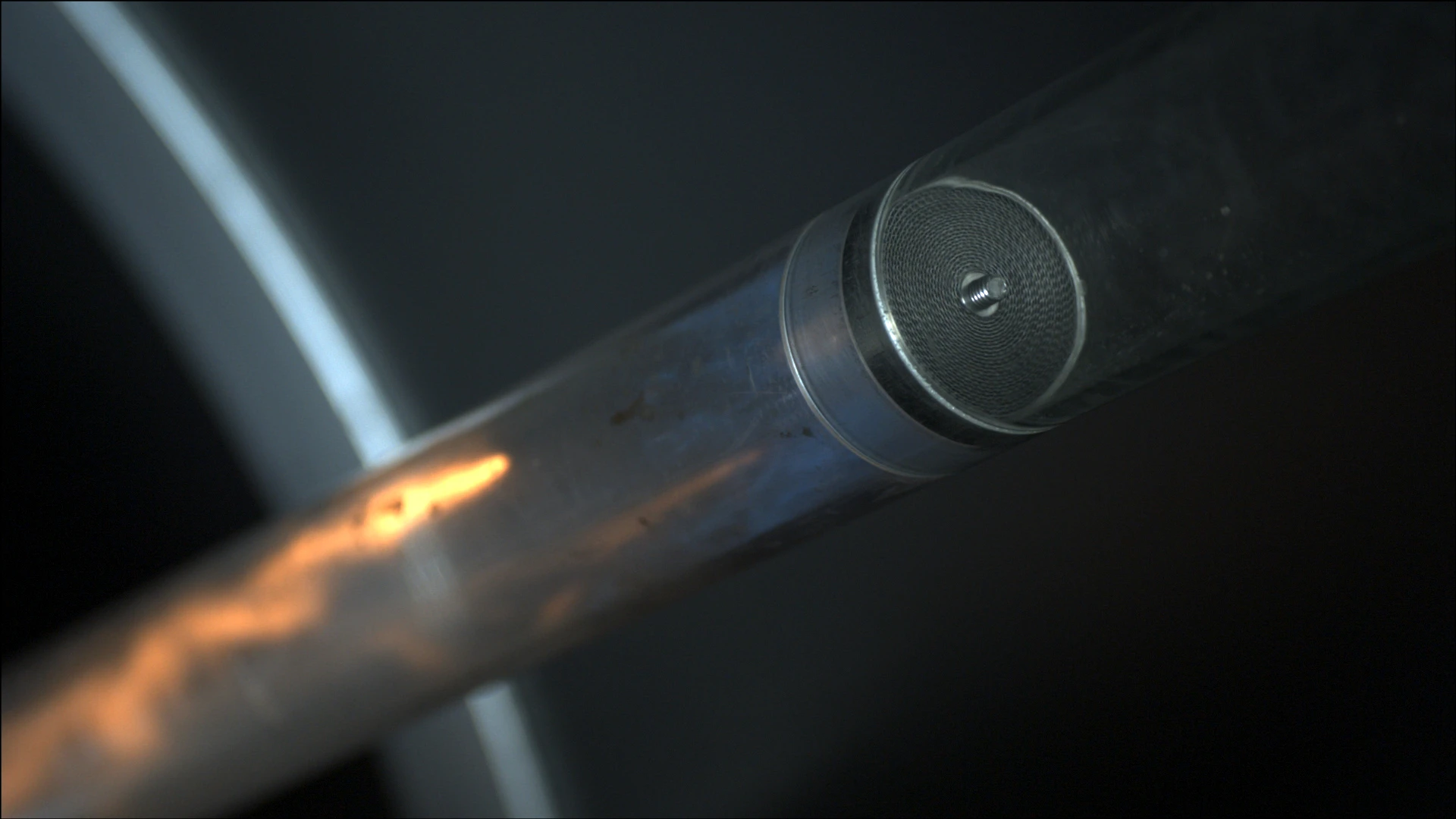
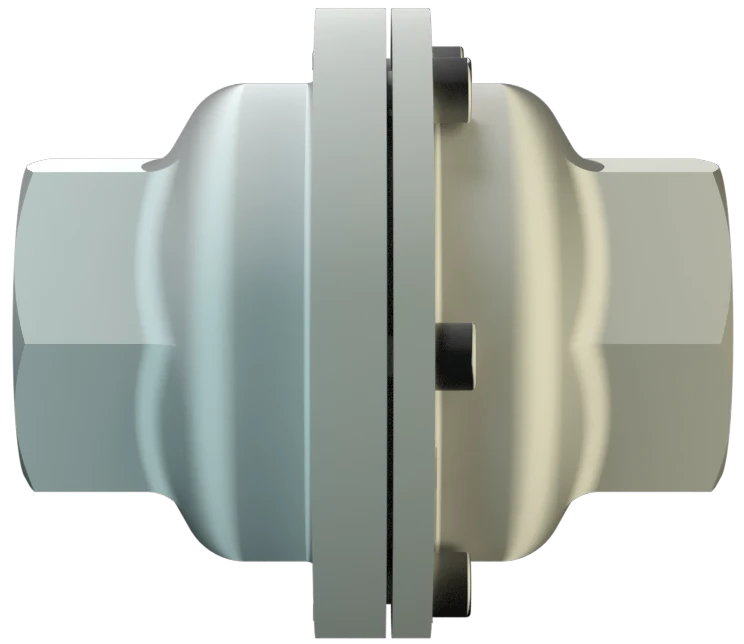
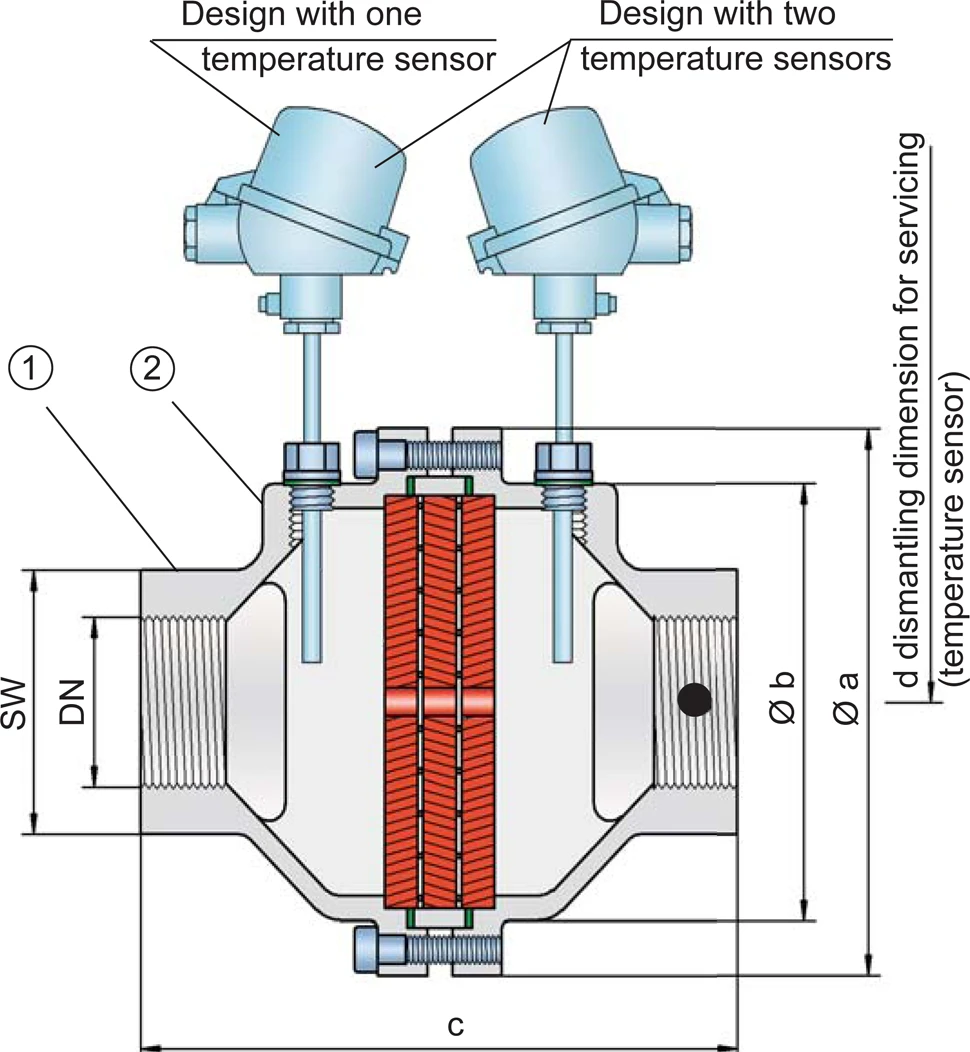
The in-line deflagration flame arrester is symmetrical and offers bidirectional flame transmission protection. The device consists of two housing Housing A housing is a solid shell, which surrounds a content, either protecting the content from external influences, or protecting the environment from the content. parts (1) and two FLAMEFILTER® (2) in the center. The PROTEGO® FA-G-IIA1-P2.2 flame arrester protects against deflagrations and endurance burning Endurance burning Stabilized burning for an unlimited time. (under atmospheric condition Atmospheric conditions Atmospheric conditions are pressures from 80 kPa till 110 kPa and temperatures from -20°C up to +60°C. ) and short time burning Short time burning Stabilized burning for a specific time. for 1 min. for the maximum operating conditions of explosion group IIA1 - methane.

Many Individual Certifications

PROTEGO® FA-G devices for substances of explosion groups IIA, IIB3 and IIC (NEC groups D, C, and B) are shown on separate pages. The standard design can be used up to an operating temperature Operating temperature Temperature reached when the equipment is operating under design conditions. of +60°C / 140°F and an absolute operating pressure Operating pressure Operating pressure is the pressure existing at normal operating conditions within the system being protected. up to 2.2 bar / 31.9 psi. EU conformity according to the currently valid ATEX directive. Approvals according to other national/international regulations on request.

Dimensiones

To select the nominal size Nominal size The nominal size is an alphanumeric designation of size for components in a piping system, used for reference purposes, comprising the letters DN followed by a dimensionless integer that is indirectly related to the physical size of the bore or outside diameter of the connections, expessed in millimeters. (DN), use the flow capacity charts on the following pages

DNG ½G ¾G 1G 1 ¼G 1 ½G 2
a 80/3.15 80/3.15 100/3.94 100/3.94 155/6.10 155/6.10
b 55/2.16 55/2.16 76/2.99 76/2.99 124/4.88 124/4.88
c 100/3.94 100/3.94 110/4.33 110/4.33 170/6.69 170/6.69
d -— 400/15.75 400/15.75
SW 32/1.26 32/1.26 50/1.97 50/1.97 75/2.95 75/2.95

Dimensions in mm / inches, SW= width across flats

Selección del grupo de explosión

MESGExpl. Gr. (IEC / CEN)
≥ 1,14 mmIIA1

Special approvals upon request

Selección de la máxima presión de operación

Expl. GrDNG ½G ¾G 1G 1 ¼G 1 ½G 2
IIA1 Pmax 2,2/31.9 2,2/31.9 2,2/31.9 2,2/31.9 2,2/31.9 2,2/31.9

Pmax = maximum allowable operating pressure in bar / psi absolute, higher operating pressure upon request

Especificación de la máx. temperatura de operación

≤ 60°C / 140°FTmaximum allowable operating temperature in °C
-Designation

higher operating temperatures upon request

Tipo de conexión

Pipe thread DIN ISO 228-1DIN

other types of thread upon request

Modelo y especificación

There are three different designs:
Basic in-line deflagration flame arrester (G ½'' to 2'')FA-G - –
In-line deflagration flame arrester with integrated temperature sensor Temperature sensor Temperature sensor for monitoring the temperature. * for additional protection against short-time burning from one side (G 1½'' to 2'')FA-G - T
In-line deflagration flame arrester with two integrated temperature sensors* for additional protection against short-time burning from both sides (G 1½'' to 2'')FA-G - TB

Additional special devices available upon request
*Resistance thermometer for device group II, category (1) 2 (GII cat. (1) 2)

Selección de materiales

DesignBC
HousingStainless SteelHastelloy
GasketPTFEPTFE
FLAMEFILTER®*Stainless SteelHastelloy

* the FLAMEFILTER® is also available in the materials Tantalum, Inconel, Copper, etc. when the listed housing materials are used.

Special materials upon request

Diagrama de flujo volumétrico
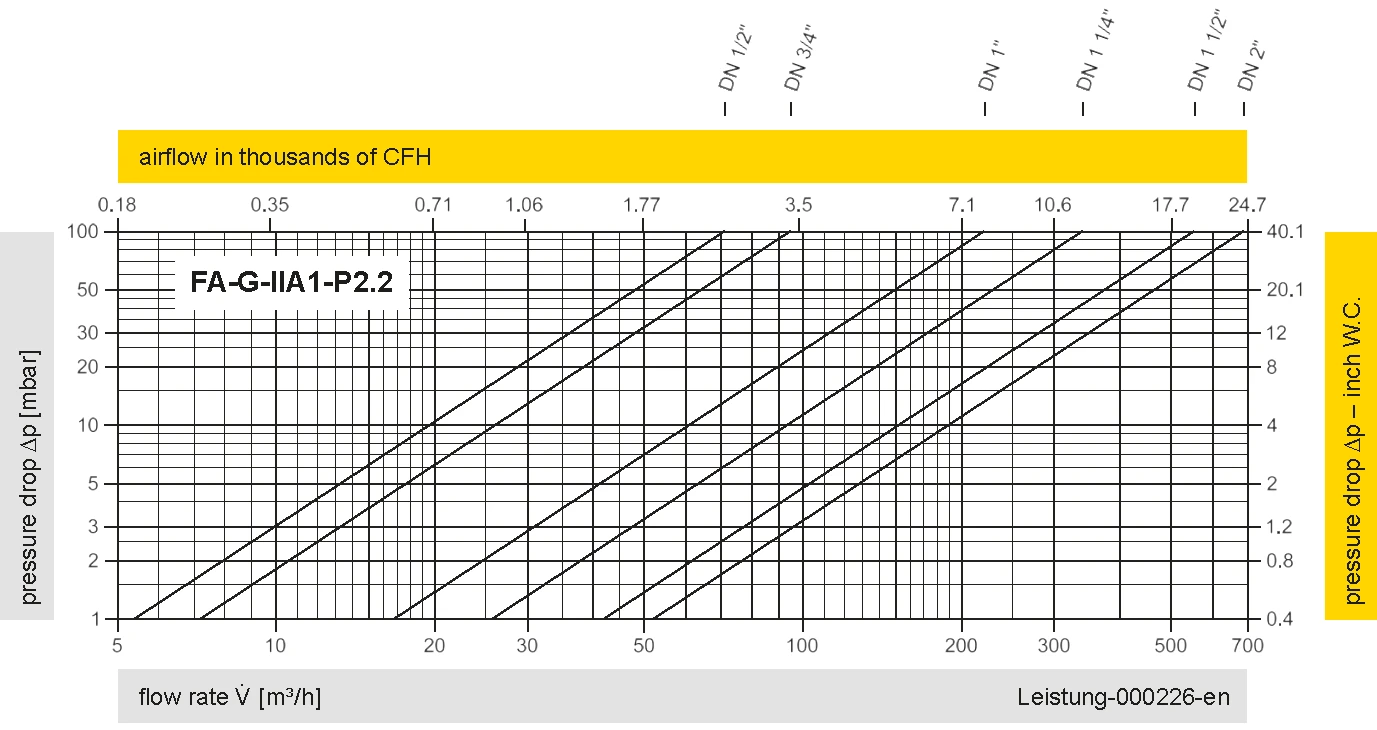
Los diagramas de flujo volumétrico han sido determinados con un banco de pruebas de caudal calibrado y certifi - cado por TÜV. El flujo volumétrico V. en [m³/h] y el CFH se refi eren a las condiciones estándar de referencia de aire según ISO 6358 (20°C, 1bar). La conversión a otras densidades y temperaturas están referidas en el Vol. 1: “Fundamentos Técnicos”.

Applications